
Aligning Early Stage Debt Repayment Schedules With Commercial Margins
Early stage debt repayment schedules align with commercial margins when amortization velocity is tied directly to realized cash receipts rather than accrual sales.

Lag
A hardware founder signs an enterprise contract with ninety-day payment terms while holding a senior credit facility that demands principal payments every thirty days. Commercial gross margins appear healthy on paper at sixty percent. Cash collection determines debt survival.
The gap between accrual accounting income and liquid bank balances creates immediate solvency stress. Revenue recognized upon shipment does not pay current debt obligations when customer payment processing runs on a quarterly lag.
Working capital expansion consumes liquid reserves during rapid sales growth. Inventory acquisition, manufacturing deposits, and logistics costs require upfront cash deployment long before receivables clear. Fixed debt amortization schedules treat cash timing as instantaneous.
When principal payments coincide with inventory replenishment windows, operational cash reserves drop below safety thresholds.
Fixed amortization schedules convert short term receivable delays into credit default when gross margins are locked in illiquid inventory.
Debt structures designed for mature enterprises assume stable working capital cycles and predictable cash conversion. Early stage ventures experience wide variance in payment collection timelines. Large commercial buyers routinely extend payment terms beyond contractual agreements.
A vendor facing a sixty-day payment delay from a dominant client must still satisfy fixed bank amortization on the first of every month. Cash buffers absorb unexpected billing delays. Margins fluctuate across sales seasons.
Fixed debt schedules ignore revenue timing. Principal payments reduce operational liquidity.
Failing to align amortization velocity with receivables collection exhausts cash reserves, transferring corporate control to debt holders before commercial contracts convert to liquid funds.

Lock
Senior credit agreements impose structural covenants that restrict operational liquidity to preserve lender capital. Minimum cash balance stipulations require a venture to maintain liquid reserves that cannot be deployed for inventory or payroll. Debt service coverage ratios measure liquid capacity against fixed debt obligations, evaluated on quarterly reporting intervals.
Default clauses trigger upon covenant breach.
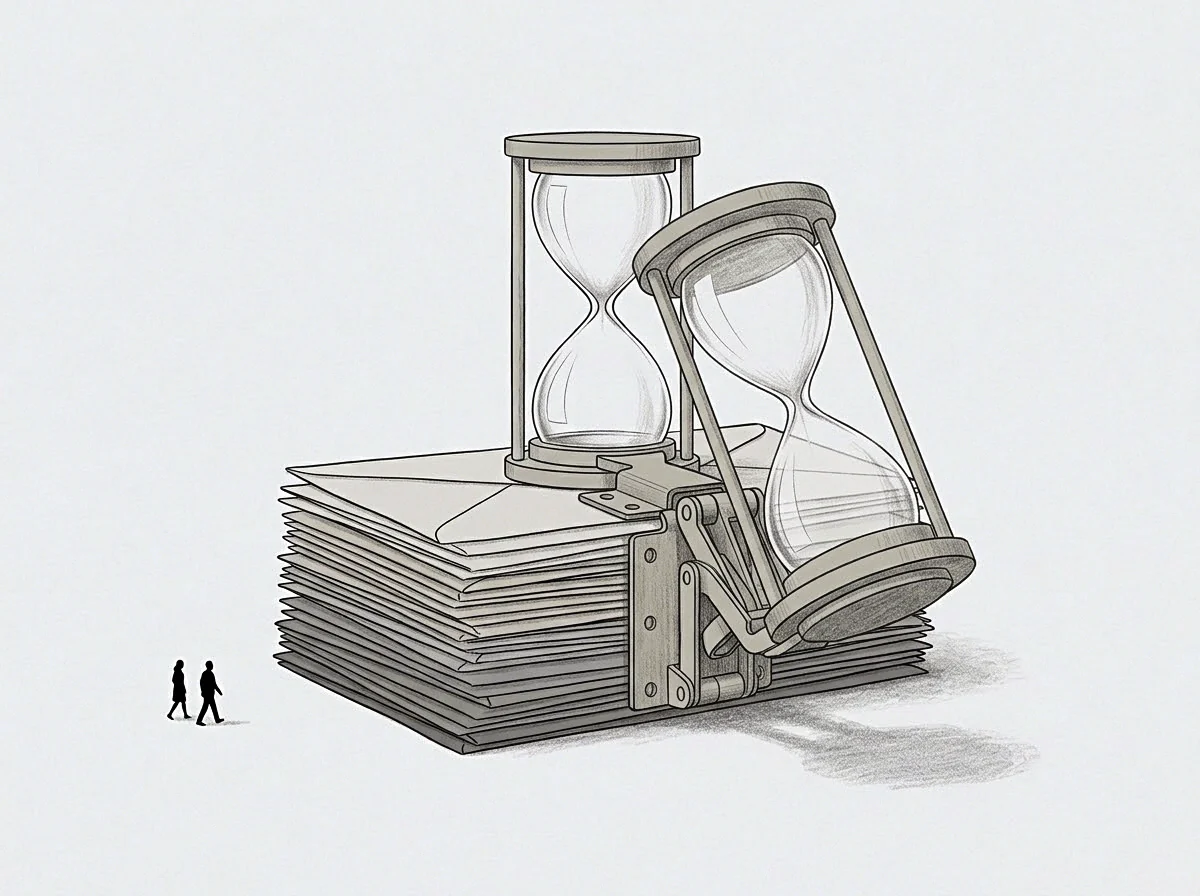
Fixed Amortization versus Dynamic Margin Realization
Fixed payment schedules force a capital extraction sequence that operates independently of commercial gross profit realization. Lenders prioritize capital preservation above expansion. In periods of high sales growth, working capital absorption increases, reducing net bank balances even as revenue targets are exceeded.
A fixed debt payment extracted during a working capital surge drains operational liquidity precisely when capital requirements reach peak levels.
- Fixed Minimum Cash Covenants restrict cash deployment when commercial margins contract during inventory buildup cycles.
- Quarterly Debt Service Ratios force early repayment when payment processing terms exceed sixty days.
- Inventory Borrowing Base Caps limit credit availability exactly when working capital expansion demands cash.

Structural Mechanics of Debt Service Coverage Ratios
Debt service coverage ratios compare operating cash flow against total principal and interest obligations. Accrual accounting metrics include uncollected invoices in net income calculations. A debt service ratio calculated on accrual figures creates a misleading profile of solvency.
Liquidity vanishes when receivables remain uncollected while the debt coverage test falls due. Unstated operational risks bill cash later.
A debt service coverage ratio calculated on accrual accounting masks cash insolvency when trade terms lengthen.
Lenders enforce covenant compliance through rigid reporting windows. Falling below a required coverage ratio triggers technical default, giving debt holders authority to freeze credit lines, accelerate principal repayment, or demand immediate equity contributions.
Operational delays remain equity problems, and monthly interest remains payable regardless of client remittance speed.

Band
Structuring repayment tiers around realized gross profit margins shields operational liquidity from fixed cash drains. Variable repayment mechanisms substitute rigid monthly principal figures with floating payments tied directly to commercial collections. A variable term replaces fixed obligation.
Revenue sweeps track actual cash collection. Debt service alters net operating capital. Aligning amortization with gross cash inflow ensures that debt service scales down automatically during commercial slowdowns or delayed collection cycles.

When Does Revenue Based Repayment Prevent Default?
Revenue-based debt structures extract a pre-agreed percentage of monthly cash receipts until a fixed return multiple is realized. Because payments scale directly with cash inflow, months with depressed cash collections result in proportionally lower debt service obligations. This flexible extraction pattern eliminates technical default risk driven purely by cash collection timing.
| Structure | Repayment Trigger | Margin Sensitivity | Cash Flow Consequence |
|---|---|---|---|
| Fixed Amortization | Calendar monthly date | Zero responsiveness to margin compression | High default risk during trade credit expansion |
| Percentage Revenue Sweep | Monthly gross cash collection | Proportional to cash volume, unadjusted for COGS | Moderate liquidity drag when inventory costs rise |
| Margin Adjusted Royalty | Realized net gross profit | Directly linked to gross margin realization | Preserves operating capital during margin dips |
Gross margin realization varies significantly across enterprise product lines. A high-revenue quarter dominated by low-margin hardware delivery generates less net cash than a lower-revenue quarter dominated by high-margin software subscriptions. Structuring debt repayment strictly as a percentage of gross revenue can overwhelm cash reserves if product mix shifts toward lower-margin offerings.
Repayment velocity stays subordinate to cash collection velocity.
Structuring repayment bands based on realized gross profit cash rather than top-line revenue protects operational viability. When cost of goods sold increases, the net cash remaining to service debt contracts proportionally, maintaining a stable cash reserve for baseline business operations.
Debt repayments tied to realized gross margin preserve solvency during seasonal cash collection dips.

Sweep
Variable capital extraction mechanisms adjust monthly principal outflow based on actual collected revenue. A repayment architecture centered on monthly cash sweeps establishes an explicit link between commercial receivables and debt amortization. Explicit terms replace covert operational reliance.
- Calculating net cash receipts at the close of each calendar month after trade payables are settled.
- Applying the agreed revenue percentage cap only against realized cash collections rather than invoiced sales.
- Transferring the calculated payment to debt holders while retaining the baseline operating buffer.
Sweeping a percentage of monthly revenue protects liquidity during sales downturns. In months where cash receipts drop due to seasonal trade patterns, the absolute dollar amount extracted by the lender contracts. Conversely, during high-volume collection months, the sweep extracts larger dollar amounts, accelerating debt retirement without creating liquidity deficits.
Revenue sweeps calculated on invoiced sales extract cash before customer remittance occurs.
Defining the sweep base strictly as cleared cash receipts prevents premature liquidity extraction. Lenders frequently request that revenue sweeps apply to billed receivables. Accepting a sweep on billed receivables reintroduces the timing mismatch that early-stage ventures must avoid.
Capital extraction must follow cash realization.
The inclusion of a gross profit floor clause suspends principal amortization whenever realized gross margin drops below thirty percent.
Outlet
Contractual modification mechanisms allow ventures to adjust repayment schedules when macro commercial conditions compress profit margins. Grace periods, equity cure options, and interest-only conversion windows represent critical contractual valves. These mechanisms convert rigid financial obligations into flexible commercial agreements when trade parameters shift unexpectedly.
Equity Cure Mechanics and Deferral Triggers
An equity cure clause permits founders to inject fresh equity capital to remediate a covenant breach or satisfy a debt service shortfall. When commercial margins contract, utilizing an equity cure resets compliance ratios without triggering default. Clear contractual rules specify how often equity cures may be deployed over the life of a loan facility, preventing perpetual reliance on dilution to subsidize unviable debt terms.
Interest-only conversion options provide immediate cash relief during prolonged margin compression. By suspending principal amortization for six to twelve months, a venture retains operating cash to restructure supply chains or renegotiate trade terms with major buyers. Debt agreements containing explicit margin-based triggers for interest-only transitions protect both lender capital and operational continuity during volatile commercial cycles.