
Calculating Real Cost When Middle Managers Shield Direct Teams
Managerial shielding obscures operational drag, creates false capacity metrics for executive leadership, and transfers hidden capacity costs onto the middle layer.
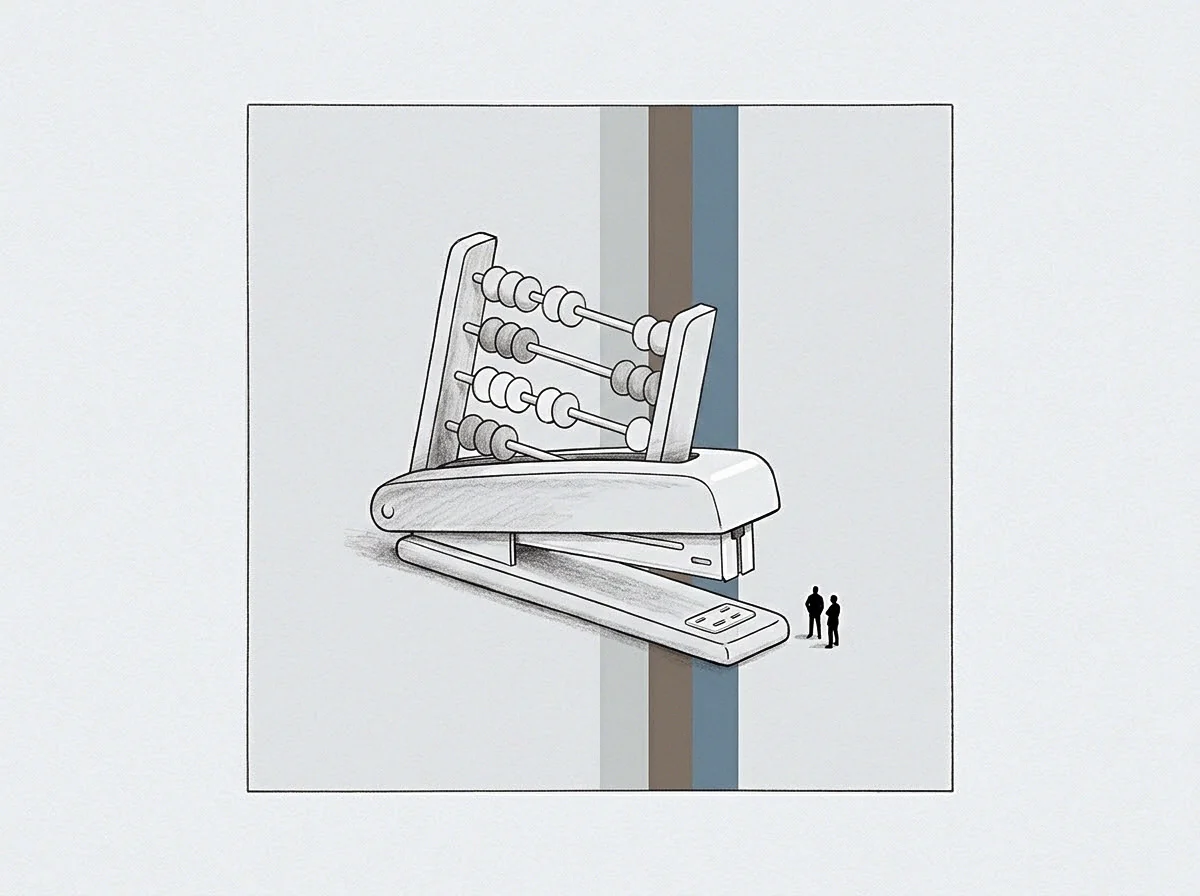
Buffer
Executive requests descend into team channels with changing deadlines and expanding technical scopes. When executive leadership demands a project acceleration, the unit manager frequently receives the directive without passing the raw friction down to direct reports. The unit head rewrites sprint allocations late at night, handles inter-departmental pushback privately, and shields software engineers from shifting corporate priorities.
This insulation allows specialists to write code in quiet isolation while the middle manager absorbs administrative pressure. The local work environment remains calm, yet the structural realities of the organization remain entirely hidden from the people completing the execution work.
Operational shielding operates as an unstated clearinghouse for institutional friction. A department head receives executive dissatisfaction regarding delivery timelines, accepts the critique without pushback, and re-allocates technical resources internally to meet the mandate. The direct engineering team observes only a stable sprint backlog.
They remain unaware that their manager spent fifteen hours negotiating dependencies, absorbing executive frustration, and performing uncredited administrative labor to preserve that stability. The signal stops at the manager. The direct team operates on borrowed safety.
Middle managers who absorb executive demands without updating operational terms create a temporary calm that masks structural failure.
Unstated interception distorts the feedback loop required for institutional adjustment. Executive leadership assumes that current staffing levels easily handle incoming workload because output targets are met without logged complaints. The middle manager continues to filter out scope churn and executive impatience, believing that protecting team morale represents the core duty of leadership.
Friction moves to the middle. Direct reports build a mental model of execution capacity that reflects managerial absorption rather than institutional reality. Absorption masks process failure.
The direct team completed every deliverable on time without reporting any process friction or requiring extra headcount.
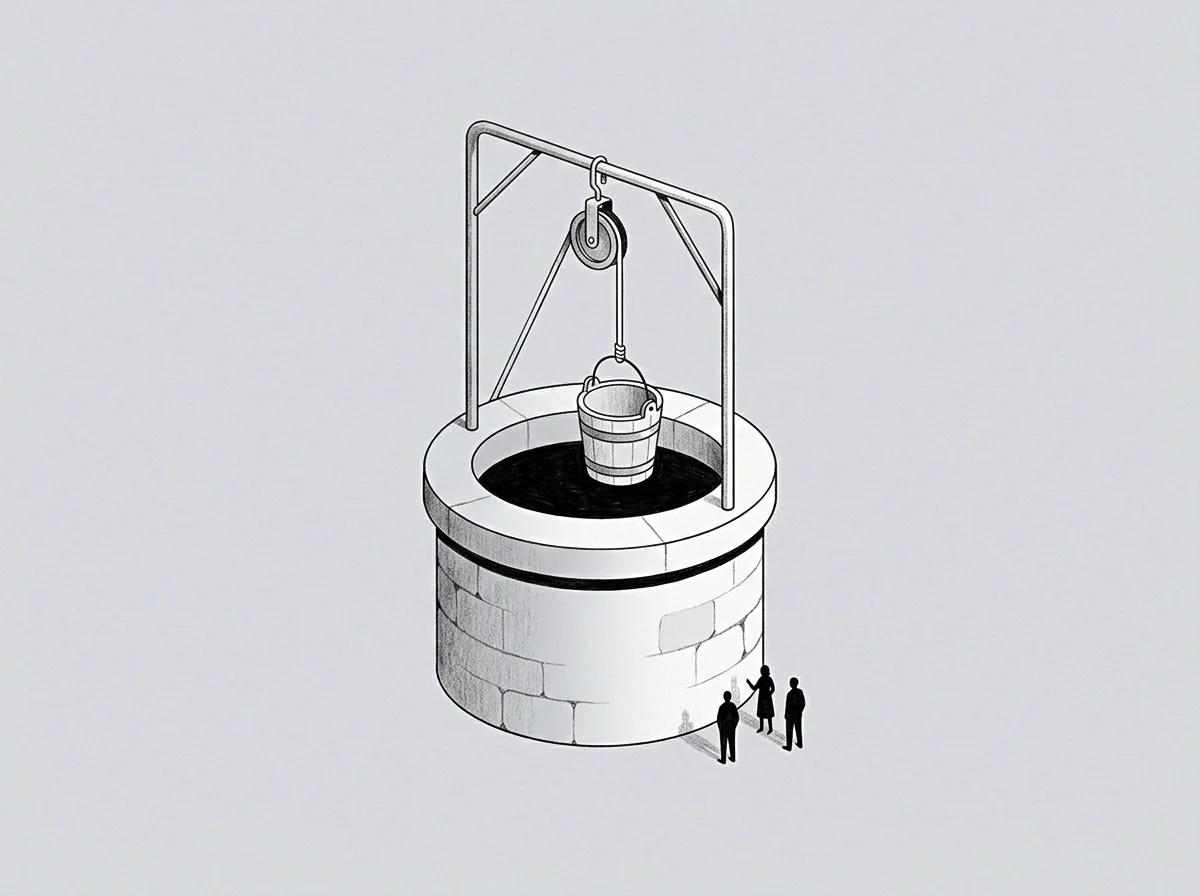
Seat
The physical placement of an operational leader creates an unsanctioned clearinghouse for administrative strain. Sitting directly between executive strategy and technical execution, the middle manager encounters pressure from both directions. Executive leaders demand rapid adaptation to changing market conditions, while direct teams require predictable schedules and clear parameters to produce quality output.
When the person in the middle seat absorbs operational turbulence without establishing clear terms, their personal working capacity becomes the sole compensating factor for organizational inefficiency.
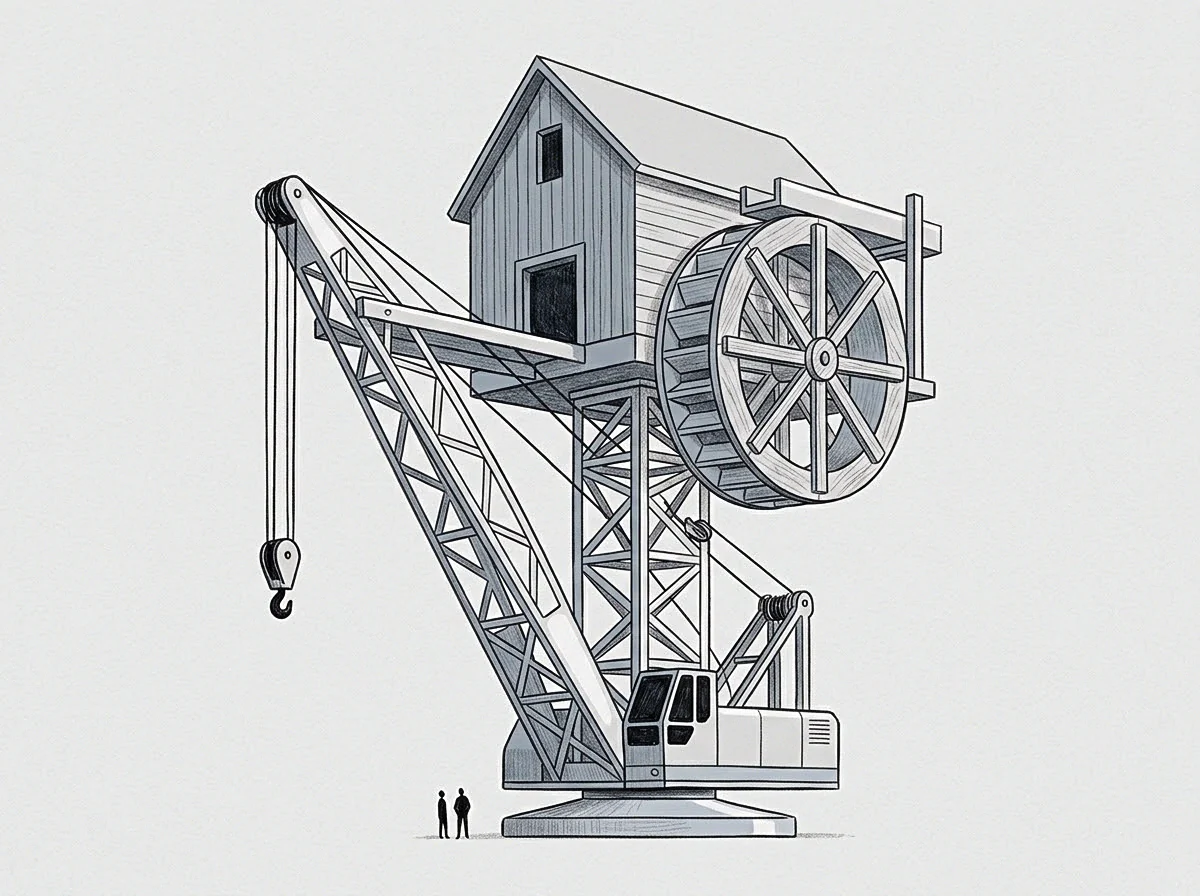
Quantifying Exhaustion in the Middle Layer
Time tracking audits in technical organizations reveal that managers spend up to twenty hours per week filtering executive friction. This capacity consumption remains invisible on standard project dashboards because administrative filtering does not generate billable artifacts. The manager works early mornings and late evenings to complete their primary administrative duties after spending standard work hours shielding direct reports from emergency meetings, scope changes, and budget queries.
Quiet absorption carries an undisclosed fee. The cost lands on the manager.
- Absorbed Overtime Hours unrecorded work time spent re-planning sprints, rewriting documentation, and managing executive expectations outside standard operating hours.
- Administrative Scope Creep structural expansion of managerial responsibilities to include cross-departmental negotiation, crisis smoothing, and resource defense.
- Context Switch Toll cognitive fragmentation resulting from continuous movement between executive strategy meetings and granular technical troubleshooting for direct reports.
- Unreported Escalation Interception manual resolution of organizational friction before problems reach direct teams, preventing realistic difficulty ratings on project tasks.

Structural Capacity and Uncompensated Labour
Organisations routinely miscalculate unit economics by ignoring the uncompensated absorption occurring at the management tier. When a technical project delivers on schedule, leadership credits team efficiency and software architecture. They overlook the thirty hours of weekly managerial intervention required to clear impediments, realign dependencies, and hold off aggressive feature requests.
The team’s apparent throughput relies entirely on an unsustainable personal effort from a single individual.
An unstated operational limit guarantees that executive pressure converts into uncounted managerial hours.
Capacity is spent twice when managers buffer teams without documentation. The manager expends operational capacity absorbing corporate noise, while executive leadership expends financial capital building plans based on false metrics. If an organization measures team throughput without accounting for managerial friction filtering, the resulting baseline capacity figure is fictional.
The baseline reflects baseline team output plus hidden managerial input. When managerial input drops due to burnout or attrition, team performance appears to degrade suddenly despite no change in direct personnel.
A stated clause capping managerial intervention hours at five hours per week forces executive leadership to observe authentic delivery timelines.
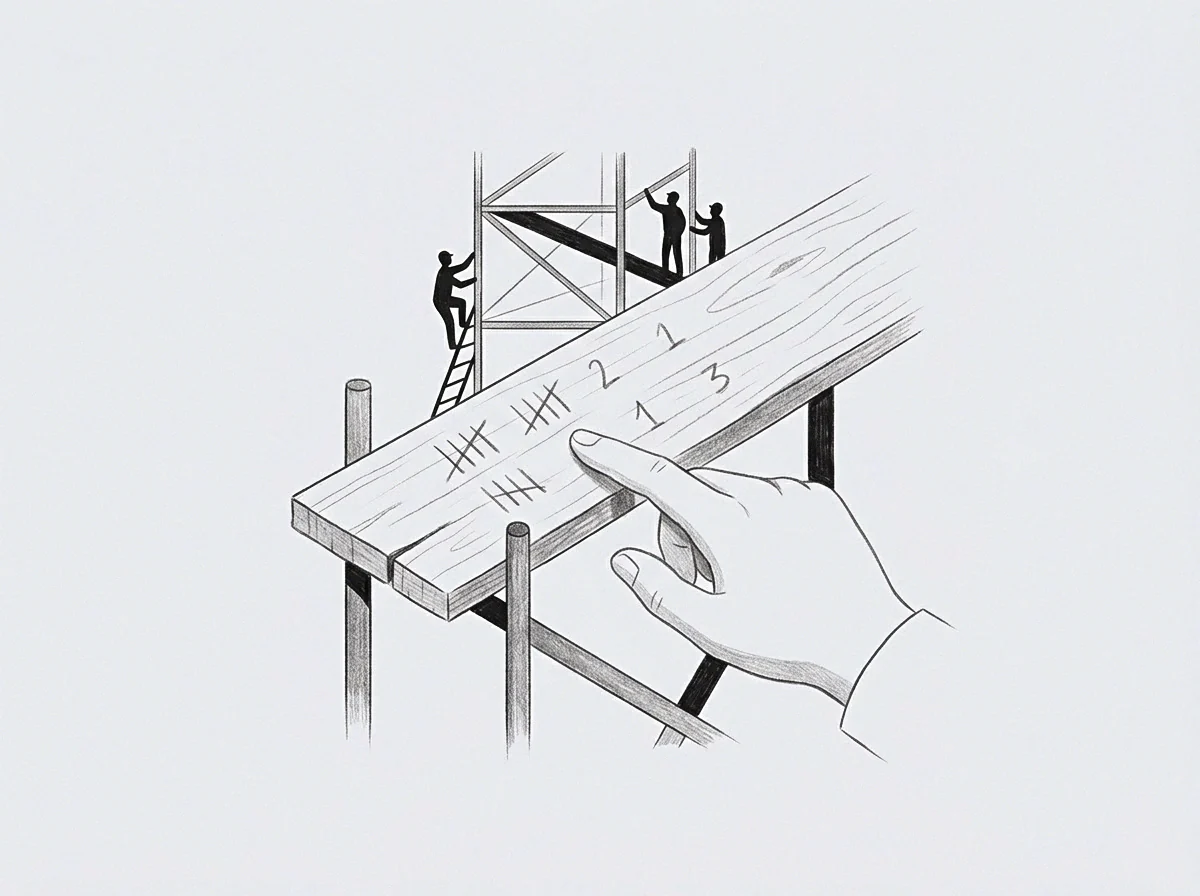
Distortion
Operational metrics submitted to board meetings frequently reflect an artificial velocity that ignores internal rework. By smoothing over resource shortages, technical debt, and schedule changes, middle managers present direct teams as highly efficient delivery engines. Executive teams then make long-term commitments based on these clean reports.
The systemic friction remains real, but it remains trapped inside the management tier where financial models fail to capture it. Executives read false stability.
Information Asymmetry and Capacity Signal Loss
Executive leaders construct expansion budgets around reported delivery dates that conceal extreme managerial intervention. When a direct team successfully completes a high-priority launch, corporate leadership views the outcome as validation of the current operational blueprint. They do not see the middle manager who worked weekends manually testing code, resolving inter-team conflicts, and overriding broken administrative approvals.
The signal containing true execution difficulty disappears during transit up the corporate hierarchy. Unstated friction compounds quietly.
| Evaluation Criteria | Unshielded Workflow Environment | Manager-Shielded Workflow Environment |
|---|---|---|
| Capacity Signal Accuracy | High; raw execution friction reaches leadership directly. | Low; managerial absorption masks operational bottlenecks. |
| Real-Time Drag Visibility | Immediate; process failures trigger explicit escalation logs. | Delayed; friction accumulates within the middle layer unseen. |
| Direct Team Psychological Safety | Variable; team experiences unfiltered executive demands. | High; direct reports work within protected environments. |
| Managerial Capacity Consumption | Standard; time allocated to strategic alignment and mentoring. | Severe; up to fifty percent of time spent absorbing drag. |
| Systemic Debt Accumulation | Low; operational defects force immediate structural changes. | Critical; latent process defects compound without detection. |
| Data derived from organizational efficiency studies comparing direct escalation models with managerial filtering protocols. | ||
When operational metrics exclude absorbed friction, executive allocation models produce compounding budget deficits.
What Occurs When the Absorbing Layer Collapses?
Operational continuity fractures immediately upon the departure of a protective unit leader. When a middle manager resigns due to exhaustion, direct reports experience sudden, direct exposure to raw executive demands. Sprint velocity drops rapidly as engineers struggle to navigate corporate politics, changing schedules, and unbuffered feature requests.
Executive leadership often blames the direct team for this sudden drop in output, misidentifying team incompetence where managerial departure simply exposed pre-existing structural friction.
The schedule slips without diagnostic logs. Without the protective manager serving as an undocumented compiler, executive directives land directly on specialists who lack context or administrative capacity to handle them. Direct reports spend work days attending strategic alignment meetings instead of executing core tasks.
Executive leadership reacts with surprise when delivery timelines double, unaware that the previous manager was performing full-time operational filtering to maintain baseline output.
Unchecked signal filtering results in executive plans built on fictional capacity, guaranteeing systemic operational failure during market expansions.
Breach
Direct reports cultivate expectations about work pacing and organizational demands that depend entirely on managerial intervention. When a manager shields a team for years, specialists assume that their quiet work environment represents standard corporate policy. They develop explicit standards regarding output expectations, uninterrupted focus blocks, and minimal administrative overhead.
These expectations form an unwritten psychological contract between the worker and the organization, built on the assumption that work will always proceed without structural turbulence.
Psychological Contracts Built on False Stability
Engineers and specialists form implicit agreements regarding standard working hours based on filtered demands. They calculate personal effort baselines using sprint velocity targets that have been artificially smoothed by managerial intervention. When corporate realities force executive demands past the manager’s capacity to absorb them, direct reports feel betrayed by the sudden shift in work conditions.
The psychological contract breaks down. The contract remains unstated.
- Executive leadership increases target velocity based on reported completion times.
- The unit leader works additional unrecorded hours to maintain the expected throughput.
- Executive demands surpass the total absorption capacity of the middle manager.
- Operational friction spills directly onto the engineering team without prior preparation.
- Direct reports perceive sudden systemic operational demands as a structural contract violation.

Latent Structural Debt in Engineering Output
Technical architecture degrades when leadership remains unaware of actual execution limits. Because the middle manager shields engineers from executive pressure to launch features early, the team builds complex systems without communicating the operational compromises made along the way. Executive leaders assume that technical debt remains low because no major technical escalations reach board reports.
Structural debt accrues without an ledger.
Direct teams insulated from organizational reality experience routine executive demands as operational crisis.
The unstated expectations cultivated inside insulated teams create severe vulnerability during corporate transitions. If executive leadership mandates a pivot or budget reduction, insulated direct teams resist structural changes because they lack historical context regarding company performance. They interpret corporate shifts as executive mismanagement rather than necessary responses to market pressures.
The manager’s previous protective actions inadvertently prevent direct reports from developing adaptive organizational resilience.
Whether executive leadership can rebuild psychological contracts after years of structural insulation remains undetermined when manager intervention suddenly ceases.

Return
Calculating true unit economics requires exposing every hour spent absorbing friction between organizational tiers. Take a technical product department of twelve engineers and one unit leader operating under an executive requirement for a forty percent feature velocity increase. The middle manager initially absorbs thirty hours of weekly corporate friction to protect the engineers, allowing feature delivery to appear successful for two quarters.
A precise audit reveals that feature throughput costs twenty percent more than financial models indicate once manager overtime, context-switching drag, and unrecorded administrative work enter the ledger.

Stating Terms Before Cost Accrues
Establishing explicit operational parameters prevents the middle layer from serving as an invisible buffer. A manager states terms clearly by defining exact escalation pathways, visible sprint capacity caps, and explicit technical debt allowances before accepting new executive mandates. When executive leadership requests an accelerated delivery schedule, the manager does not work extra hours to shield the team.
A stated term clarifies capacity. Execution demands clarity.
Constructing a transparent interface between corporate strategy and team execution requires replacing unstated absorption with measurable data. The manager documents every cross-departmental friction point, logged scope change, and administrative dependency publicly. If executive leadership changes product priorities mid-sprint, the operational cost lands directly on project dashboards rather than inside the manager’s evening work hours.
Systemic drag becomes visible immediately. Friction requires exposure.
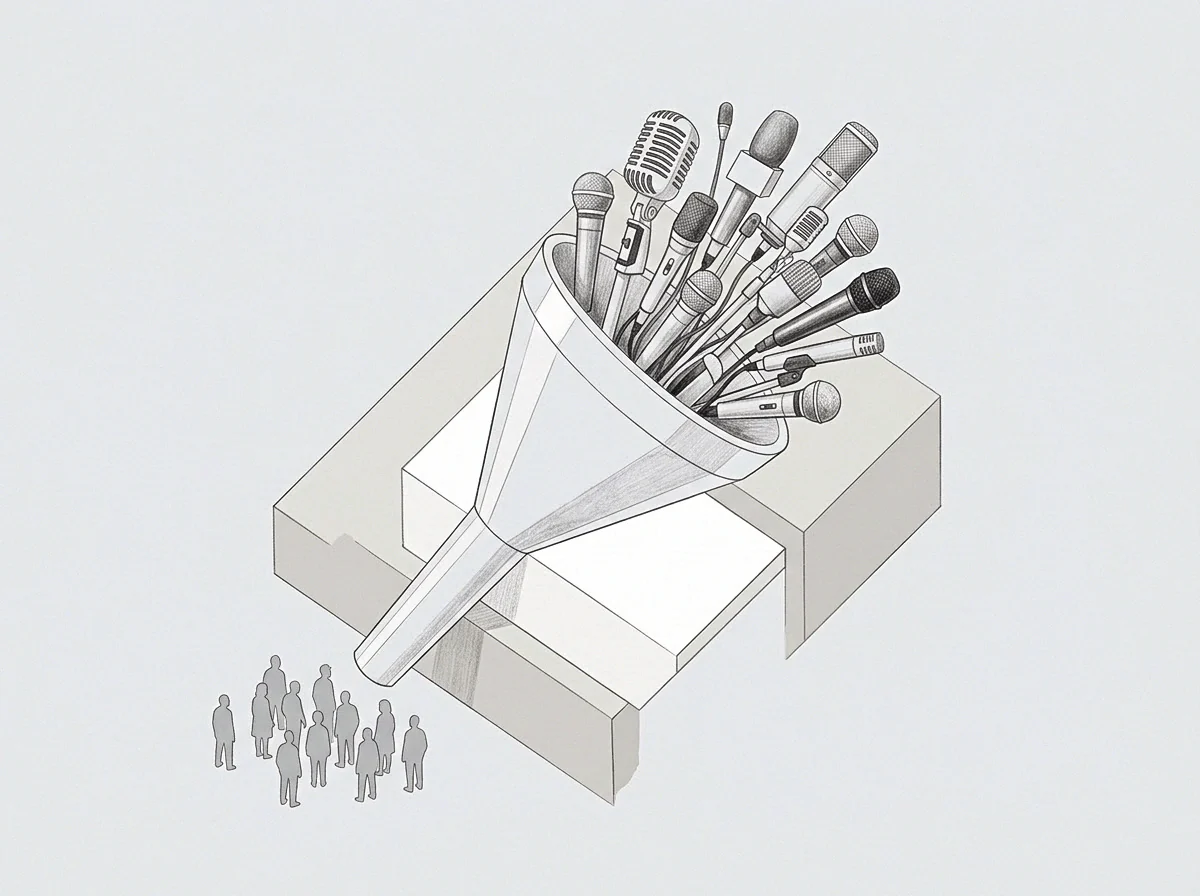
Constructing Reusable Operational Parameters
Clear agreements regarding escalation protocols transform unstated expectations into measurable data. When operational drag becomes explicit, executive leadership must choose between allocating additional resources, reducing scope, or accepting longer delivery schedules. The middle manager operates as an explicit translator of operational reality rather than an uncompensated shock absorber.
Direct teams observe authentic corporate constraints, building realistic expectations about workload variation during growth cycles.
Calculating real costs changes how organizations fund middle management seats. Upfront terms convert hidden administrative friction into clear economic decisions, protecting middle managers from burnout and ensuring executive decisions rest on verified baseline data. The organization trades comfortable temporary illusions for long-term operational viability.
A term stated once and enforced structural transparency cost less than years of uncounted friction absorbed in silence.