
How Unspoken Supervisory Allowance Alters Stated Operational Standards Over Time
Unspoken supervisory allowance alters stated operational standards by replacing formal policy with observed supervisory non-intervention as the true performance norm.
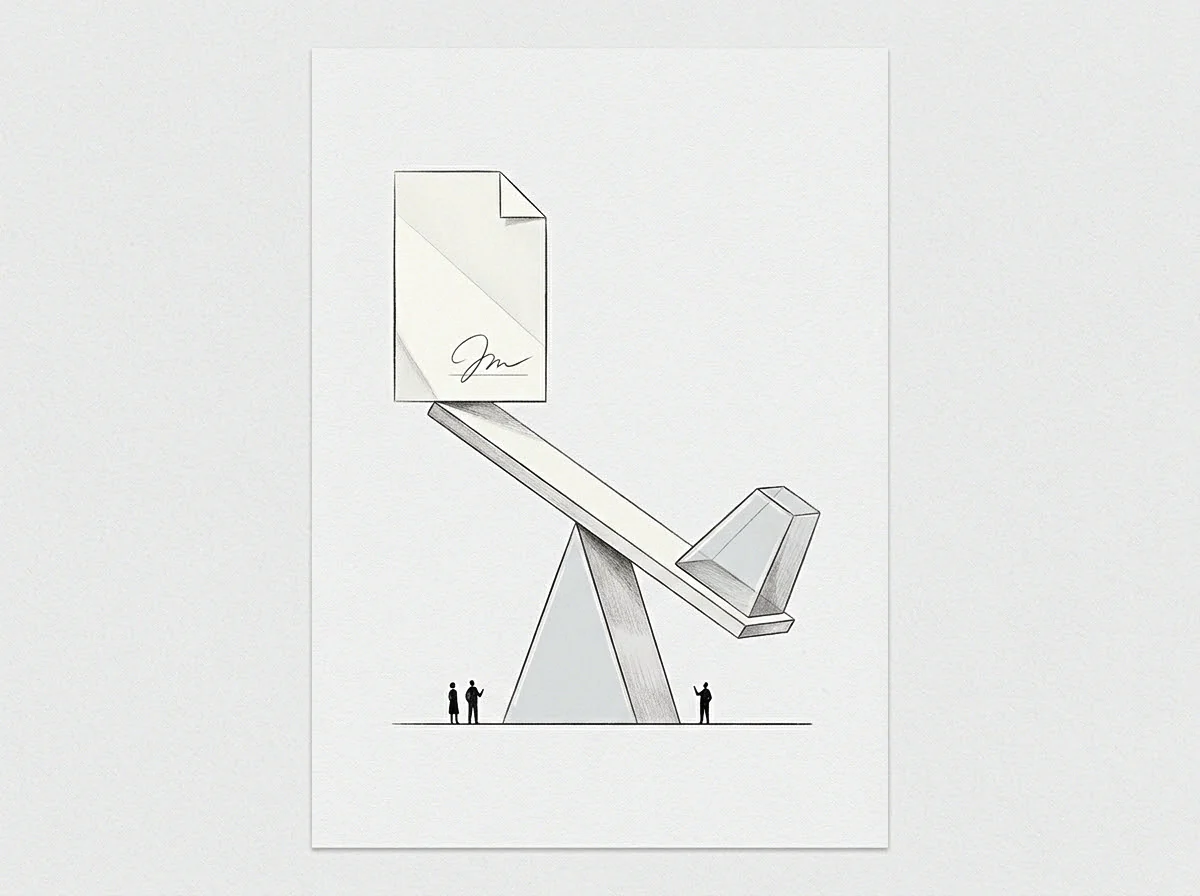
Ledge
At three in the afternoon on a production release day, an engineering manager watches a senior developer skip the mandatory security verification step to meet the deployment window. The manager says nothing, signs the release log, and turns back to their desk. Written company policy explicitly states that skipping security validation invalidates the deployment.
The software deploys successfully, no security breaches occur, and the project finishes on schedule. A week later, during another tight deadline, two developers bypass the same verification step without asking. The supervisory choice to remain quiet during the initial breach established a new baseline.
Stated standards exist as text on a screen until a supervisor observes a deviation, at which point the supervisor’s physical choice to intervene or look away fixes the real standard.

The Genesis of Dual Operational Registers
Operational protocols establish the formal architecture governing baseline performance within an organization. When management publishes standard operating procedures, leadership assumes those written documents direct daily activity. Tactical pressure periodically creates situations where following written protocol requires extra time, additional capital, or temporary project delays.
Operators in high-velocity environments face constant friction between throughput targets and compliance mandates. When an operator chooses throughput over compliance, the direct supervisor becomes the decisive regulatory mechanism. Supervisory silence alters operational reality immediately.
Tacit permission creates immediate obligation. If a line manager witnesses an operational shortcut and refrains from correcting the action, the worker correctly processes that silence as authoritative approval. A dual operational register opens within the company: the official register containing published manuals, and the operational register containing observed supervisory tolerance.
Over time, the official register serves external audits and public positioning, while the operational register governs actual output. Employees navigate the workspace using the operational register because it reflects real supervisory expectations and evaluation metrics.
Supervisory silence during a standard breach converts a written mandate into an optional guidelines document.

Formal Authority Versus Informal Tacit Approval
Managers hold delegated power to enforce compliance with published operational metrics. This power operates continuously, whether expressed through active verbal correction or passive observation. When a manager observes non-compliant behavior and chooses non-intervention, that choice functions as an operational waiver.
The manager acts as an authorized representative of the leadership layer. Employees understand that an uncorrected behavior carries the tacit endorsement of organizational leadership.
Written policy loses regulatory force when supervisory behavior contradicts published text. An organization that maintains strict written rules while allowing managers to permit silent exceptions creates deep structural ambiguity. Workers who attempt to follow the written protocol during high-pressure cycles often find themselves penalized for missing delivery deadlines.
Conversely, workers who utilize informal supervisory allowances achieve higher speed metrics without drawing administrative penalties. The informal allowance becomes the rational choice for staff seeking career advancement and operational survival.
Ignoring an initial departure from published operational standards establishes an unwritten precedent that degrades systemic compliance across the entire organization.
Silence
Unstated allowances function as powerful regulatory signals within functional teams. When supervisory oversight relies on implicit permissions rather than explicit term adjustments, the relational contract between workers and management shifts. Organizational behavior research demonstrates that employees form psychological contracts based on daily operational interactions rather than static employment agreements.
A psychological contract represents the unwritten system of expectations held by an individual regarding their reciprocal obligations with the firm. When a supervisor repeatedly permits an operational shortcut, that allowance enters the psychological contract as a permanent entitlement.
The Shift in the Psychological Contract
Organizational research demonstrates that workers construct internal expectations based primarily on observed supervisory behavior rather than formal documentation. Psychological contract breach occurs when an organization suddenly enforces a written rule that supervisors previously ignored for extended periods. When leadership initiates a compliance crackdown after months of silent allowance, workers experience the event as an aggressive violation of established trust.
The employer views the action as enforcing pre-existing policy, whereas the employee views the action as a retroactive change to working conditions.
- Observed Non-Intervention establishes an unwritten understanding that published rules yield to immediate deadline pressures.
- Selective Enforcement creates relational friction when managers randomly reinstate written guidelines after months of passive allowance.
- Precedent Reciprocity obligates employees to match speed expectations by permanently ignoring mandatory verification procedures.
Silence functions as active consent. When a team leader watches an analyst omit a required audit log to meet a Friday evening reporting deadline, the team leader alters the psychological contract governing that reporting cycle. The analyst records the absence of negative feedback as confirmation of proper procedure.
The unstated allowance eliminates the friction associated with the formal rule, creating an immediate preference for the streamlined habit.
When non-enforcement repeats across three consecutive production cycles, team members classify the written rule as administrative noise.
The operational norm replaces protocol. Over successive cycles, the unstated allowance becomes deeply embedded in team operations. Employees train new hires based on informal allowances rather than official documentation.
A new hire who attempts to follow the written handbook gets instructed by veteran peers to ignore official steps to meet real quota targets. The supervisory layer, having initiated the allowance through passive silence, remains unable to enforce the written standard without risking widespread team pushback or admitting prior supervisory failure.
The written process was never enforced during crunch periods, so skipping the final verification step represented the accepted operational method.
Creep
Baseline operational performance drops incrementally when informal allowances become routine practice. Practical drift describes the gradual alignment of operational habits away from written controls toward informal shortcuts. This process occurs slowly, making early detection difficult for executive leadership removed from day-to-day work steps.
Each minor allowance expands the boundary of acceptable deviance, setting a lower operational baseline for subsequent work cycles.
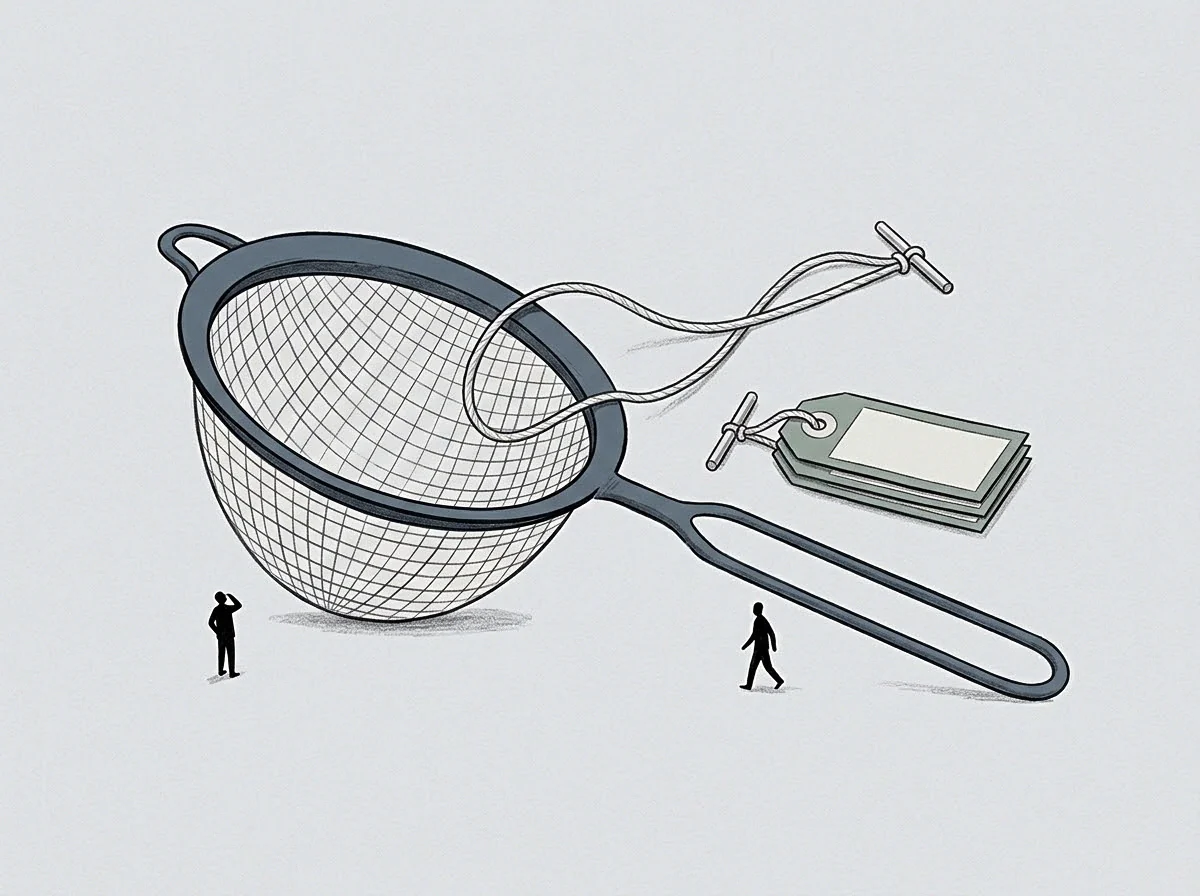
Can Supervisory Non-Enforceability Rewrite Written Protocol?
Formal governance documents remain unchanged on shared network drives while team habits diverge completely from written instructions. Sociological research into high-risk industrial environments identifies the normalization of deviance as a primary mechanism driving organizational failure. Normalization of deviance occurs when unexpected or non-compliant operational states become defined as standard baseline conditions because no immediate negative incident occurred.
The absence of system failure following an informal supervisory allowance gets misinterpreted as proof that the written control was unnecessary.
Informal allowances accumulate high risk. Consider a software engineering firm operating cloud infrastructure. The stated standard demands multi-factor authorization and explicit secondary sign-offs for all database schema migrations.
During an infrastructure migration, a team lead verbally authorizes a junior developer to run scripts using master credentials to bypass a validation block. The script executes without crashing the database. The team lead feels justified, and the junior developer notes that master credential usage is acceptable during high-speed deployments.
Three months later, master credentials get routinely embedded in local development scripts across the entire deployment team.
The actual operational standard of an organization equals the lowest performance level a supervisor actively tolerates.

Propagation Across Operational Vectors
New team members adapt to working environments by imitating experienced peers rather than reading policy manuals. When supervisory allowance permits one department to abandon formal documentation steps, adjacent teams observe the operational speed gain and adapt their own workflows accordingly. Cross-functional friction occurs when compliance-oriented units attempt to interface with units operating under informal supervisory allowances.
The compliant unit gets labeled as slow or bureaucratic, while the non-compliant unit receives praise for high output velocity.
- An initial deadline pressure prompts a manager to overlook a missing compliance check.
- Team members observe the pass and replicate the shortcut on subsequent projects to save time.
- The shortcut becomes standard operating practice across the division without formal review or written amendment.
- An external audit reveals systemic non-compliance, exposing the organization to significant operational risk.
Supervisory silence alters operational reality across multiple functional departments simultaneously. Once an unspoken allowance spreads past the immediate team into cross-functional workflows, individual managers lose the capacity to unilaterally reinstate the original standard. The informal habit becomes systemic, anchored by mutual operational dependencies established across departments.
Reversing the drift requires explicit executive intervention, clear term redefinition, and formal structural accountability.
Unchecked exceptions expand until the informal habit fully replaces the written requirement.

Matrix
Comparing formal policies against informal allowances reveals systemic structural vulnerabilities across primary business functions. Organizations often operate under the illusion that written manuals guarantee operational compliance. In practice, supervisory non-intervention acts as a secondary policy-making layer that overrides written documentation.
The table below outlines how unspoken allowances alter stated operational standards across three critical operational vectors.
| Operational Vector | Stated Operational Standard | Unspoken Supervisory Allowance | Settled Operational Norm |
|---|---|---|---|
| Code Security Verification | Automated scan and manual peer review required prior to production merge. | Manager approves direct bypass during release deadlines without log entry. | Security scans run post-deployment, invalidating real-time protection. |
| Client Milestone Authorization | Dual partner sign-off required for invoice changes over ten thousand dollars. | Managing director accepts verbal agreement from client lead without written trail. | Single-point approvals become default, increasing billing dispute risks. |
| Incident Retrospective Reporting | Comprehensive post-mortem report filed within forty-eight hours of failure. | Team leads skip formal documentation for minor outages if service restores quickly. | Systemic outages remain unanalyzed, leading to repeated infrastructure failures. |
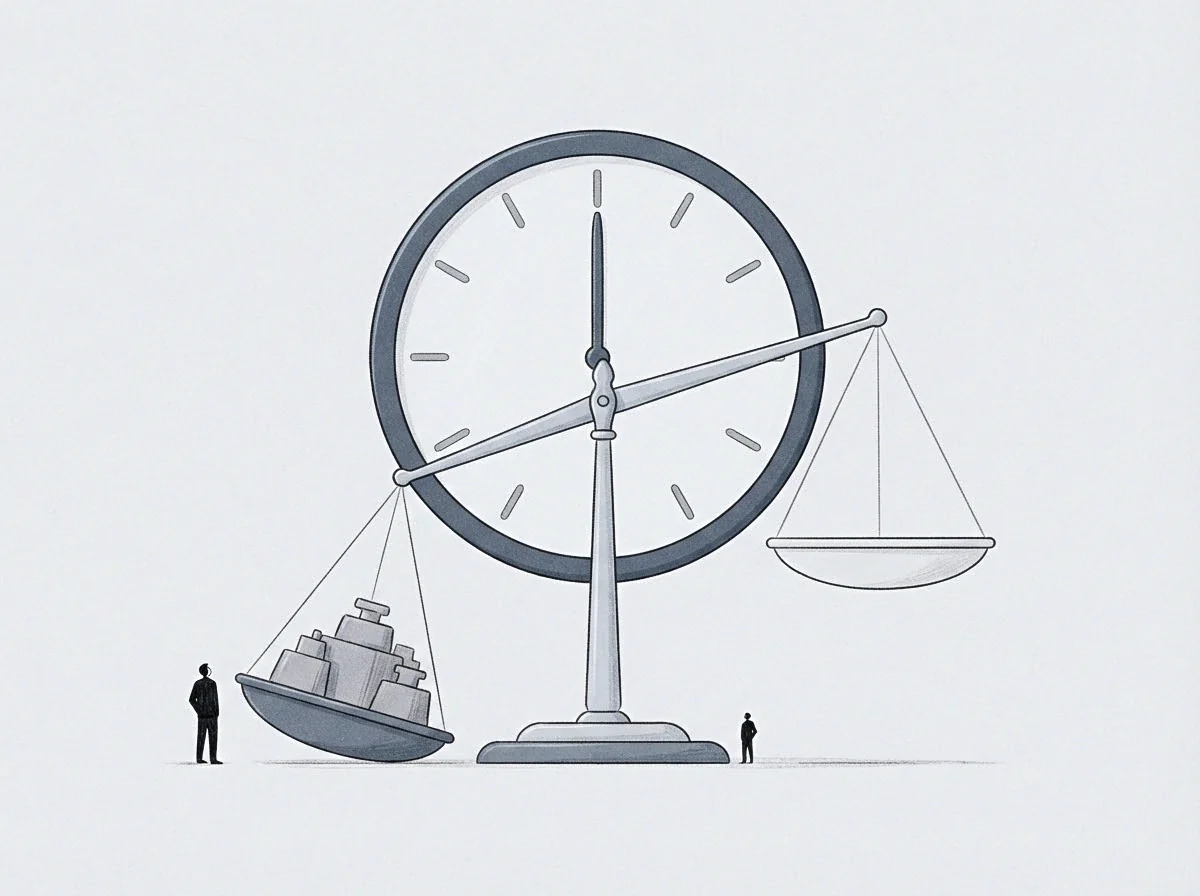
Structural Divergence and Conflict Triggering
Operational friction reaches peak intensity during leadership transitions or external audits when formal standards get suddenly reasserted. A newly hired executive who reviews only written manuals assumes the business operates under strict compliance controls. Upon discovering that line operations rely on unspoken allowances, the new leader often demands immediate adherence to published rules.
This sudden shift triggers immediate organizational friction. The team perceives the enforcement as an arbitrary penalty, while the executive perceives the team as undisciplined and resistant to basic controls.
Unstated expectations trigger structural friction. When leadership enforces written rules without acknowledging the history of supervisory allowance, operational output drops dramatically. Employees who previously relied on informal shortcuts struggle to meet output targets while adhering to complex written protocols.
The company experiences a dual penalty: operational velocity slows down, and employee dissatisfaction spikes as team members navigate what they perceive as retroactive contract breaches.
Reasserting a long-dormant written standard without resetting the psychological contract triggers widespread structural conflict.
The gap between written policy and supervisory practice creates severe legal and financial exposure. In regulatory environments, auditing bodies examine actual operational habits rather than published rulebooks. If an organization maintains published safety or security protocols but routinely permits supervisory bypasses, regulatory authorities view the unspoken allowance as evidence of systemic compliance failure.
The written standard, rather than protecting the firm, serves as evidence that leadership understood the proper operational requirement and deliberately permitted non-compliant behavior.
Inserting an explicit audit clause into operational agreements establishes baseline compliance criteria and terminates tacit supervisor allowances.
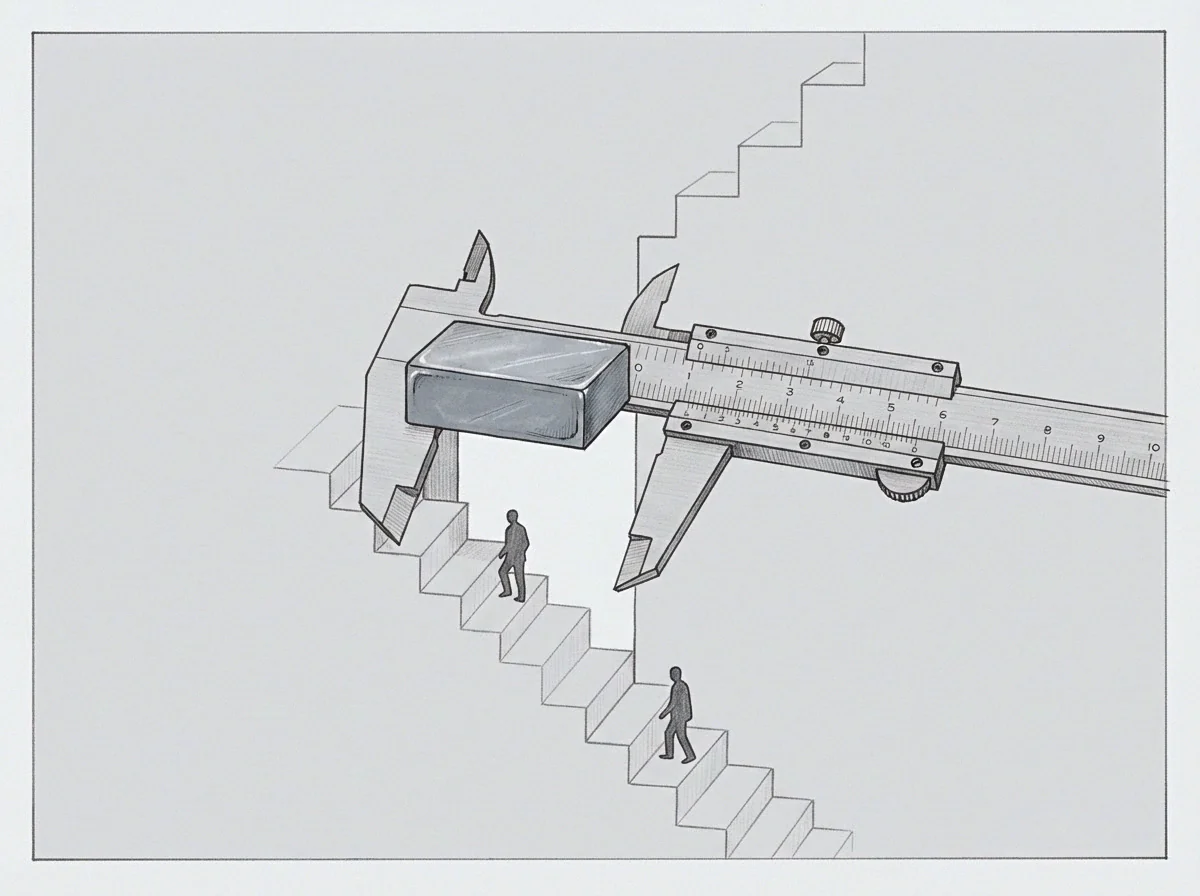
Measure
Restoring operational integrity demands explicit terms stated once and enforced consistently. Executives and founders cannot fix practical drift by reissuing static policy manuals or sending broadcast reminders about written rules. Once an unspoken allowance has established an informal norm, publishing more text achieves nothing.
The supervisory layer must actively bridge the gap between written terms and operational enforcement through visible, unambiguous choices.

Re-Establishing Stated Terms Over Silent Precedent
Founders and executive leaders regain control of standard enforcement by eliminating the space between written expectations and supervisory silence. Stating a clear term early requires declaring the exact boundary between acceptable operational adaptation and explicit policy violation. A term constructed as a design decision establishes clear operational filters.
When a supervisor observes a compliance departure, the supervisor must immediately make an explicit operational choice: enforce the stated standard or formally modify the written rule.
Supervisors shape norms through silence. To break the cycle of practical drift, leadership must convert unstated wants into explicit terms. A want represents an unstated desire for high speed combined with total compliance.
A term represents a stated operational design decision that accounts for trade-offs. If a deployment deadline conflicts with security validation steps, management must state explicitly which metric holds priority. If speed takes priority, management updates the written standard to permit an accelerated validation pathway.
If security holds priority, management accepts the delay without penalizing the technical team.
Replacing an informal supervisory allowance with a written term converts an ambiguous performance dispute into immediate structural data.

Position Construction and Operational Realignment
Operators establish durable clarity by defining operational limits before deployment bottlenecks generate pressure for exceptions. Setting a term once and watching the response yields immediate operational data. If a supervisor states an explicit standard and a team member continues to rely on informal shortcuts, management receives direct information regarding alignment and capability.
Stating terms explicitly eliminates the ambiguous middle ground where workers claim ignorance of supervisory expectations.
The explicit term reestablishes control. Reinforcing stated standards requires supervisors to absorb the short-term relational cost of holding lines during high-pressure cycles. When a manager refuses to allow a shortcut during a critical release, the team receives unambiguous confirmation that the written rule carries true regulatory authority.
The short-term delay incurred by adhering to protocol costs far less than the long-term structural decay produced by unspoken supervisory allowances.
What remains undetermined is how rapidly an organization can dismantle years of tacit supervisory allowance without precipitating turnover among high-performing staff who built their routines around informal leniency.