
Managing Entrenched Founder Intervention When Scaling Autonomous Professional Leadership Across Maturing Organizations
Unstated authority expectations trigger founder overrides when scaling enterprises attempt to replace informal oversight with professional executive management.
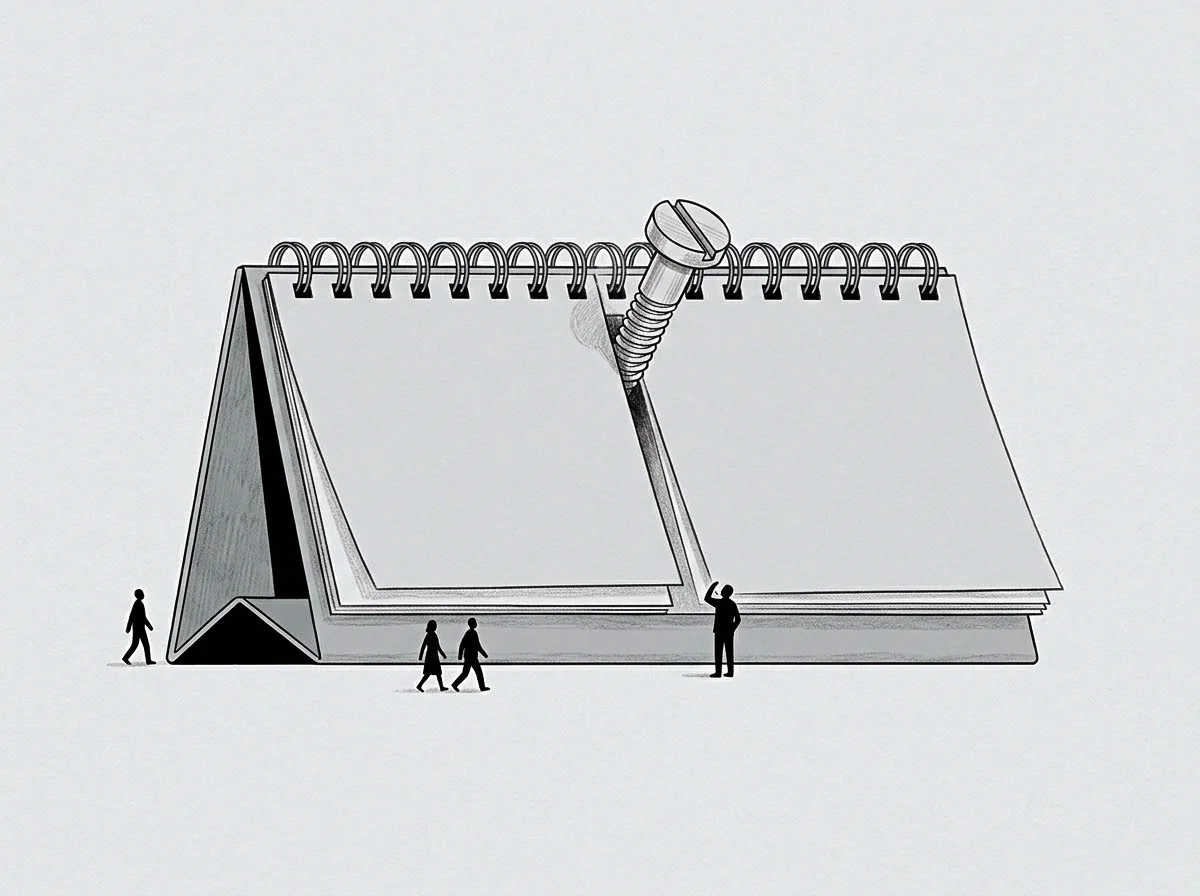
Floor
Informal authority structures often persist long after corporate governance charts announce executive autonomy. Enterprise owners who step into executive chairman or board roles routinely maintain covert channels of control. The title of chief executive transfers on paper, yet the structural floor of decision authority remains tethered to original ownership.
This divergence creates an operational paradox for professional leaders hired to scale operations.

The Authority Rift in Expanding Enterprises
Professional managers enter midsize organizations expecting clear functional autonomy. They encounter an invisible ceiling where informal owner interventions override formal management decisions. The arrangement fractures quietly.
When operational disputes surface, equity owners revert to historical habits of direct command, bypassing departmental heads and altering resource allocations without notice. Authority shifts without notice.
Research in social exchange theory demonstrates that equity holders view company assets through psychological ownership. This psychological state operates independently of equity legal structures. The title remains hollow.
When a hired chief executive attempts to enforce budgetary limits or restructure underperforming divisions, the enterprise owner interprets the action as an erosion of personal agency rather than standard administrative practice.
A title transferred without explicit decision rights creates an immediate obligation for shadow intervention.

Tolerance Limits in Executive Operations
Unstated psychological contracts surface whenever operational risk reaches an unwritten capacity ceiling. Enterprise owners tolerate professional management during periods of predictable expansion. The moment market conditions destabilize or strategic priorities diverge, informal intervention accelerates.
The owner contacts vendors directly, alters product roadmaps, or counters executive hiring decisions during side conversations.
When enterprise owners retain covert intervention channels while staffing formal leadership, operational friction escalates until professional managers exit and organizational growth stalls.

Contract
Organizational research in psychological commitments demonstrates that unmentioned expectations generate structural friction. When operational expectations remain implicit, both founders and hired executives bill each other for violations of terms that were never spoken aloud. Stating terms explicitly before onboarding resolves this ambiguity before financial and relational debt accumulates.

Psychological Expectations and Operational Breach
Implicit agreements between equity owners and hired leadership remain invisible until operational choices diverge. Studies on psychological contract breach in corporate management show that professional managers experience reduced organizational commitment when unstated autonomy expectations are overridden. Silence gives false consent.
The owner expects consultation on every major hire, while the executive assumes complete operational mandate within approved fiscal budgets.
Terms fix explicit authority. Without explicit terms, equity holders treat executive autonomy as a revocable privilege rather than a structural boundary. Unstated expectations collect interest.
When the owner intervenes, the executive views the action as a contract breach, while the owner views the executive’s resistance as insubordination.
Explicit terms stated prior to executive onboarding eliminate covert accounting for unmentioned expectations.

Constructing Explicit Governance Terms
Take two enterprise owners who built a software firm to twenty million dollars in revenue over four years without written operating rules. They recruit an experienced chief operating officer to manage daily operations, offering equity options and full functional authority. Six months into the tenure, the owners reverse a major cloud infrastructure contract negotiated by the new executive, citing historical vendor relationships.
The operational dispute stems directly from the failure to establish an explicit governance contract prior to employment. Equity grants buy nothing. Stating concrete operational terms during recruitment prevents shadow intervention by defining explicit threshold limits for owner involvement.
- Capital Expenditure Threshold defines exact monetary limits where executive signing rights operate without board signoff.
- Personnel Appointment Autonomy reserves all hiring and exit decisions within operational units exclusively to department heads.
- Communication Escalation Limits restricts direct owner contact with sub-tier staff to formal quarterly reviews.
- Strategic Direction Revisions calls for board meetings and formal voting before operational priorities alter.
A governance clause that assigns sole operational veto rights to the chief executive converts covert owner anxiety into structured board reporting.

Wire
Shadow intervention relies on informal communication channels that bypass official management chains. Owners send directives through instant messaging, informal side meetings, and casual conversations with junior engineers or sales reps. These communications function as shadow wires, bypassing formal executive governance entirely.
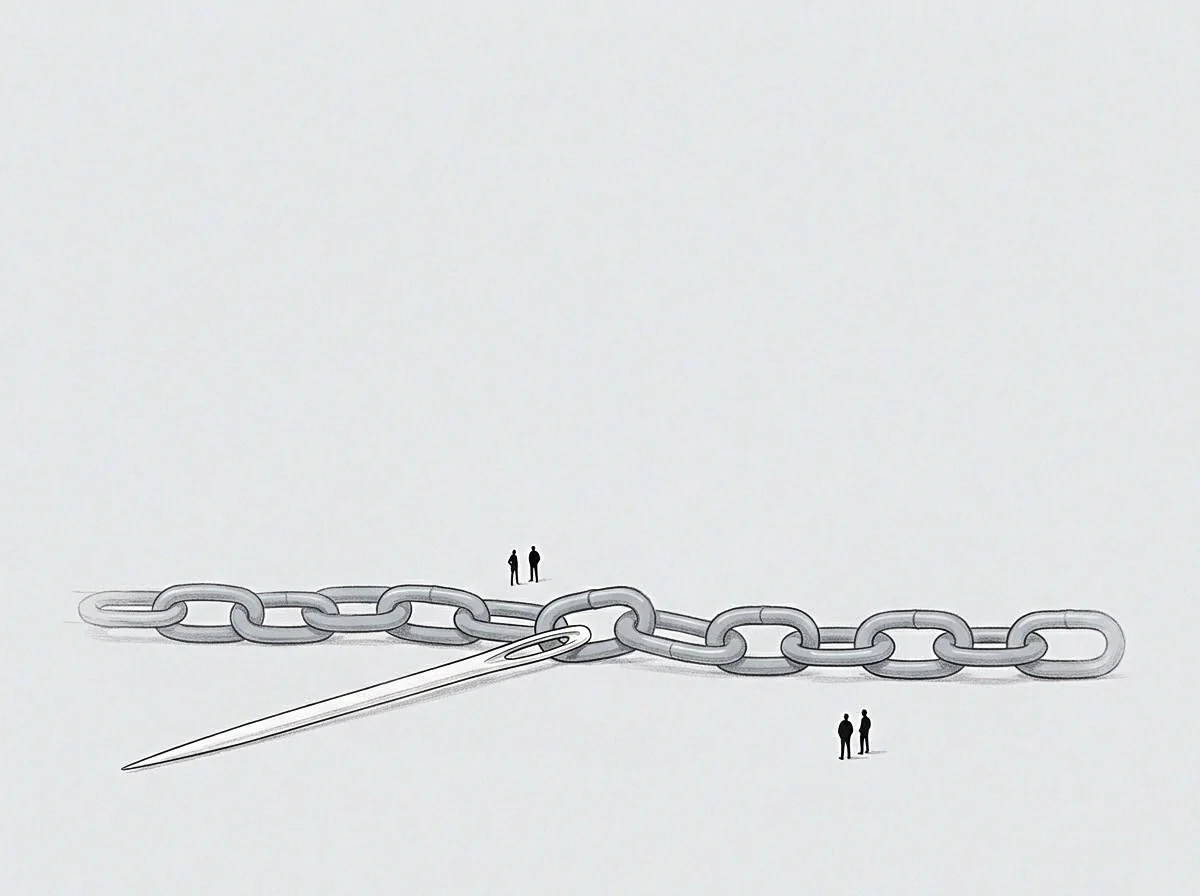
Shadow Communication and Structural Bypass
Direct oversight interventions rarely open with public conflict in executive sessions. Shadow channels bypass governance. An enterprise owner texts a senior engineering manager to question a release schedule, or meets a sales director for lunch to adjust pricing tiers.
These informal interactions signal to sub-tier employees that original ownership holds ultimate operational authority, rendering department heads ineffective.
The executive steps aside. When sub-tier employees realize that owner approval supersedes executive direction, they bypass formal leadership completely. In physical office spaces, this dynamic manifests around coffee machines and hallway desks, where casual owner comments instantly reshape weekly sprint priorities without executive input.
Stated conditions clean noise.

Which Conditions Prompt Direct Overrides?
Operational friction unfolds across predictable phases when formal delegation lacks written enforcement. Organizational behavior studies measure this trajectory through four distinct stages of structural decay:
- Informal inquiry regarding routine operational details without notification to unit leadership.
- Direct counter-instructions issued to sub-tier staff during informal site visits or messaging threads.
- Public reversal of executive decisions during all-hands meetings or customer negotiations.
- Re-assumption of direct functional management over key departmental budgets and staffing.
Shadow communication channels thrive whenever leadership teams defend limits daily rather than enforce stated terms once.
Decisions require approval from original builders because professional managers lack context for company traditions.

Table
Comparing informal oversight against explicit delegation clarifies how operational authority breaks down in maturing companies. Organizations that rely on implicit understandings experience continuous governance friction, whereas companies operating under explicit contracts isolate board oversight from executive execution.

Structural Vectors of Intervention
Evaluating how control operates requires separating formal governance structures from informal operational interventions. The seat holds weight. Capacity determines real control.
| Structural Vector | Informal Founder Override | Stated Executive Mandate |
|---|---|---|
| Decision Channel | Direct messaging and informal side meetings | Board meetings and documented delegation notes |
| Resource Allocation | Unilateral budget reallocations based on intuition | Approved fiscal plans with threshold limits |
| Staff Accountability | Dual reporting lines and conflicting instructions | Single line management through unit leaders |
| Conflict Resolution | Coercive intervention driven by psychological equity | Contractual review against stated performance terms |
Formal authority structures collapse when informal channels offer faster paths to resource access.
Whether enterprise owners can permanently suppress the urge to intervene during market downturns without selling controlling equity remains an open empirical question.

Position
Executive leaders secure operational autonomy by replacing ongoing argument with non-negotiable structural terms. Professional managers who spend energy defending boundaries daily quickly experience emotional and operational burn out. Stating clear terms once and treating owner compliance as baseline data provides a stable operational stance.
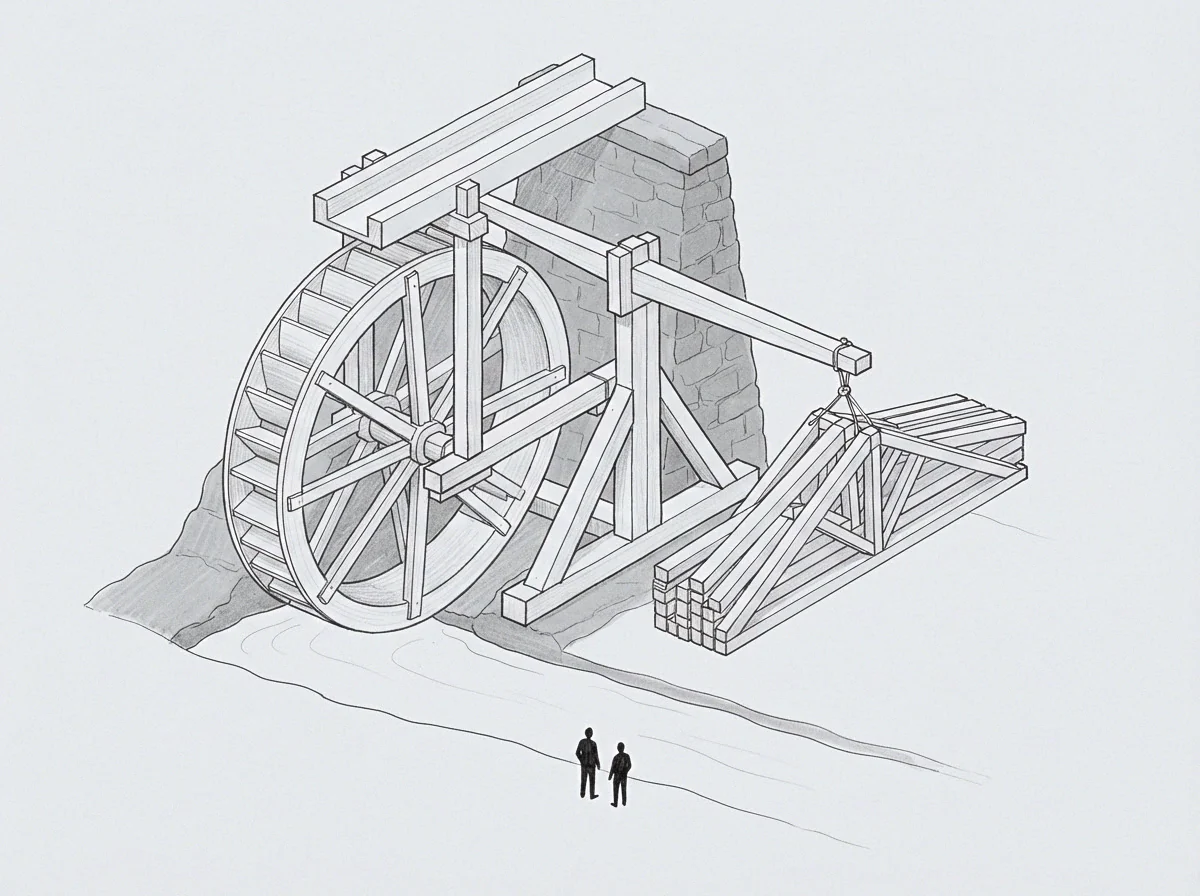
Stating Terms Over Daily Conflict
Professional leaders exhaust capacity attempting to negotiate individual instances of owner intrusion. The bill arrives early. The board pays later.
When an owner overrides a hiring decision, arguing the merits of that specific candidate fails to address the underlying structural defect. The professional executive addresses the intervention mechanism itself, referencing the original governance agreement.
The executive states the operational term clearly: direct manager overrides outside formal board meetings violate executive mandate. The signal reaches baseline. If the owner continues direct interventions, the executive evaluates the response as concrete data regarding the owner’s readiness to delegate real authority.

Reclaiming Autonomous Leadership
Long-term organizational stability emerges when executive teams treat stated agreements as baseline operating requirements. When equity owners respect stated delegation limits, professional leaders execute strategy effectively. Where equity owners consistently breach stated governance terms, professional managers must recognize that true executive authority does not exist in that enterprise, regardless of title or compensation package.
When enterprise owners receive clear term statements early, the resulting alignment converts shadow intervention into formal governance, allowing autonomous executive management to scale without structural disruption.