
Quantifying Tacit Operational Adjustments In Growing Teams
Tacit operational adjustments obscure structural gaps by relying on unpriced informal effort that degrades scaling team capacity over time.

Seat
Informal Capacity Allocation in Scaling Operations
When headcount expands from ten to fifty employees, operational friction rarely announces itself through immediate output failures. Early team members quietly fill operational voids by taking on unassigned routing, manual data verification, and cross-departmental coordination. These silent adaptations keep workflows smooth while obscuring structural gaps in operational design.
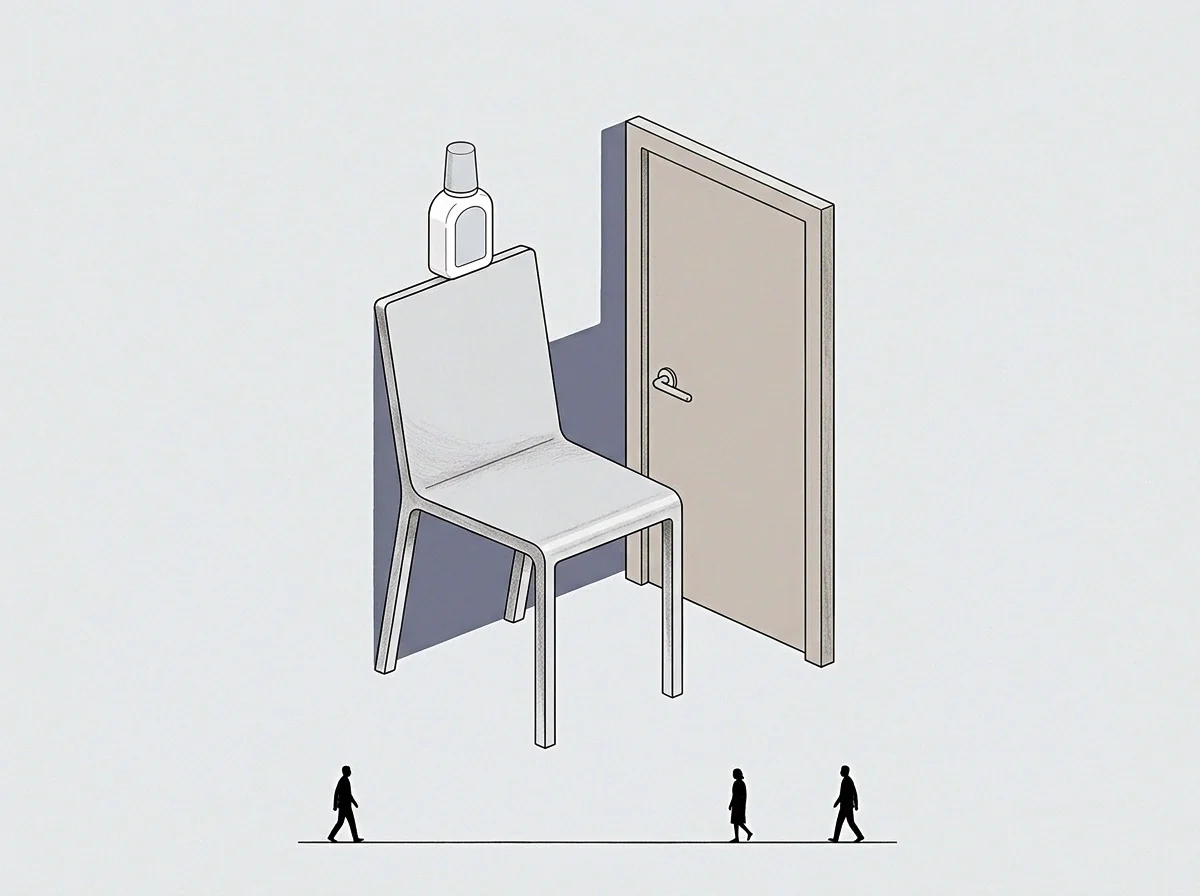
The seat assigned to a senior engineer or product lead expands to cover administrative triage without a formal revision of responsibilities.
Psychological contract research demonstrates that unstated operational commitments create asymmetric expectations between team members and organizational leadership. An operator absorbs secondary coordination tasks under the assumption that the arrangement represents a temporary emergency response. Leadership views the smooth continuation of throughput as proof that current structural allocations function adequately.
Tacit operational adjustments thus remain unmeasured, creating an invisible burden on individual capacity that grows alongside team size.
Systemic capacity drains remain hidden until informal coordination absorbs more hours than primary functional duties.
Workload drift accelerates as secondary duties compound over operational cycles. The individual in the seat experiences elevated task-switching demands, while leadership remains unaware of the manual interventions keeping throughput stable. Without explicit baseline tracking, early informal fixes turn into unwritten operational dependencies.
The ongoing cost of these unassigned responsibilities is borne entirely by individual capacity until system performance declines.
The operational deficit becomes apparent when the team adds headcount but output per person declines. Leadership interprets this drop as an onboarding latency or individual inefficiency, while the true cause rests in the informal routing layer holding the operation together. The extra effort spent maintaining unmapped workflows drains energy from primary initiatives.
The team reached target output because several employees quietly worked late to fix operational gaps.

Weight
Categorizing Tacit Friction Across Functional Boundaries
Measuring implicit adjustments demands isolating where informal effort accumulates across operational routines. Tacit friction settles into distinct operational categories, each representing an unpriced transfer of labor from defined roles to unassigned systemic maintenance. Early organizations rely on individual initiative to resolve structural ambiguity, but continued dependence on unmapped effort distorts resource forecasting and performance measurement.
Mapping these informal activities reveals the structural weight carried outside official role descriptions. When adjustments remain unquantified, team managers calculate capacity against inaccurate baseline assumptions, leading to over-commitment and delayed delivery schedules.
- Unmapped Exception Handling occurs when unexpected customer edge cases bypassing standard documentation are manually patched by experienced staff without logging systemic failure rates.
- Informal Cross-Functional Mediation appears when peer teams lack direct communication standards and rely on individual relationships to align priorities and settle handoff disputes.
- Shadow Quality Control develops when senior operators perform unprompted secondary reviews on outbound work products to prevent errors caused by incomplete onboarding materials.
- Redundant Protocol Verification emerges when employees check multiple operational dashboards manually because automated status notifications lack operational reliability.
Structural weight multiplies when multiple functional teams rely on the same informal coordinators to bridge operational gaps. A single operations manager may spend fifteen hours each week resolving unmapped data discrepancies across software tools. This informal labor hides software integration flaws from executive budgeting decisions.
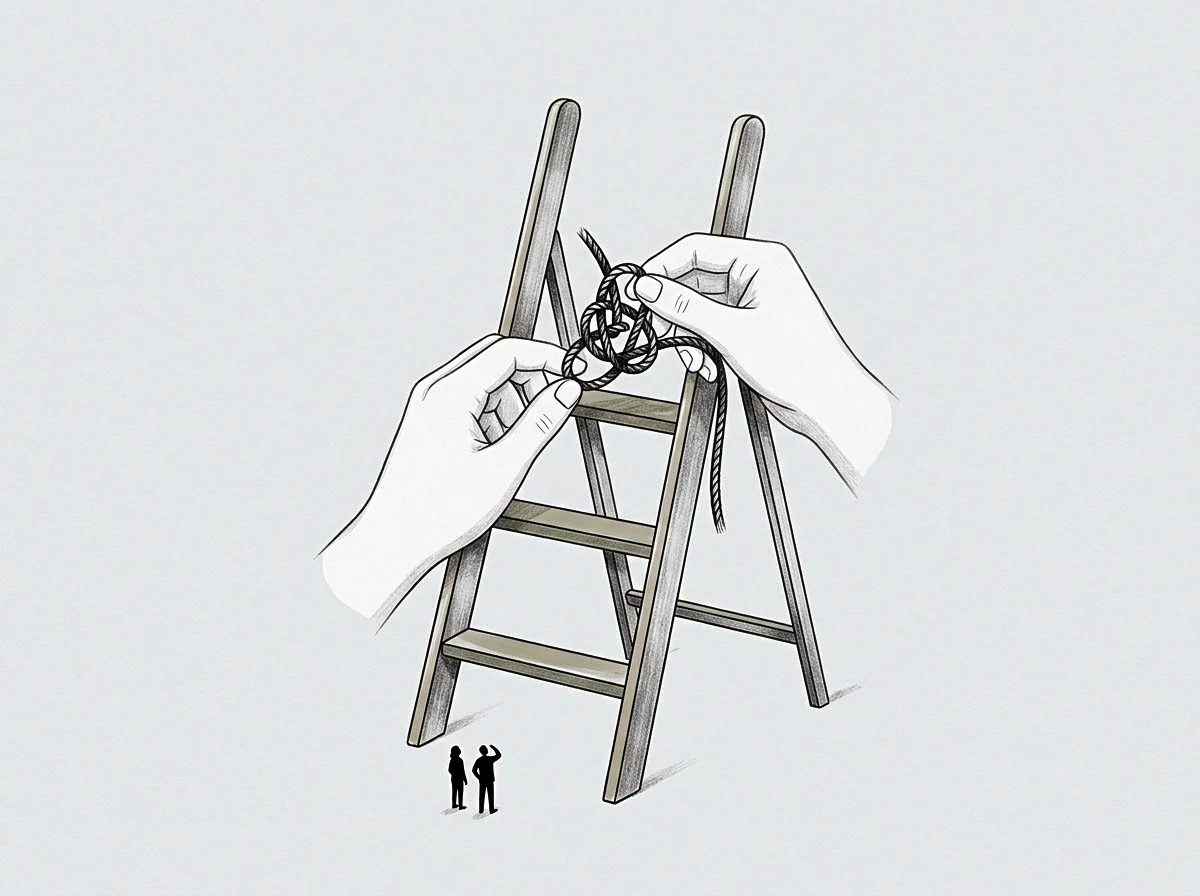
Structural debt accrues quietly whenever informal effort substitutes for system fixes.
An unstated operational fix hides a structural failure while billing individual energy for its delay.
Quantifying these friction points requires translating subjective workload complaints into verifiable time and task metrics. Tracking the frequency of unassigned interventions establishes an accurate record of operational drag. Organizational research confirms that unmonitored operational reliance on informal channels increases turnover risk among high-performing personnel.
The overall operational structure breaks down the moment informal coordinators withdraw their unpriced effort.
Ratio

Which Operational Adjustments Escalate Under Scale?
Operational complexity does not increase linearly with team headcount. Communication channels grow exponentially, creating structural drag that demands deliberate operational measurement. Comparing formal responsibilities against informal operational maintenance highlights the hidden resource diversion occurring within expanding departments.
| Headcount Band | Implicit Coordination Hours | Primary Failure Mode | Capacity Loss Ratio |
|---|---|---|---|
| 10 to 25 | 4 to 8 hours weekly per person | Unwritten process reliance | 12 percent |
| 26 to 50 | 9 to 14 hours weekly per person | Siloed exception handling | 22 percent |
| 51 to 100 | 15 to 22 hours weekly per person | Redundant verification loops | 35 percent |
Data indicates that teams crossing the fifty-person threshold experience significant operational friction if tacit adjustments remain unmanaged. Coordination load metrics show that over one-third of total working capacity is consumed by informal alignment tasks when formal governance lags behind growth. This capacity loss directly degrades execution speed and core initiative delivery.
Resolving this friction requires evaluating whether operational work fits explicit job parameters or relies on informal fixes. Stated parameters establish clean boundaries for task ownership, reducing reliance on individual memory or goodwill. Informally patched workflows create dependencies on specific personnel, making the organization fragile to individual absences.
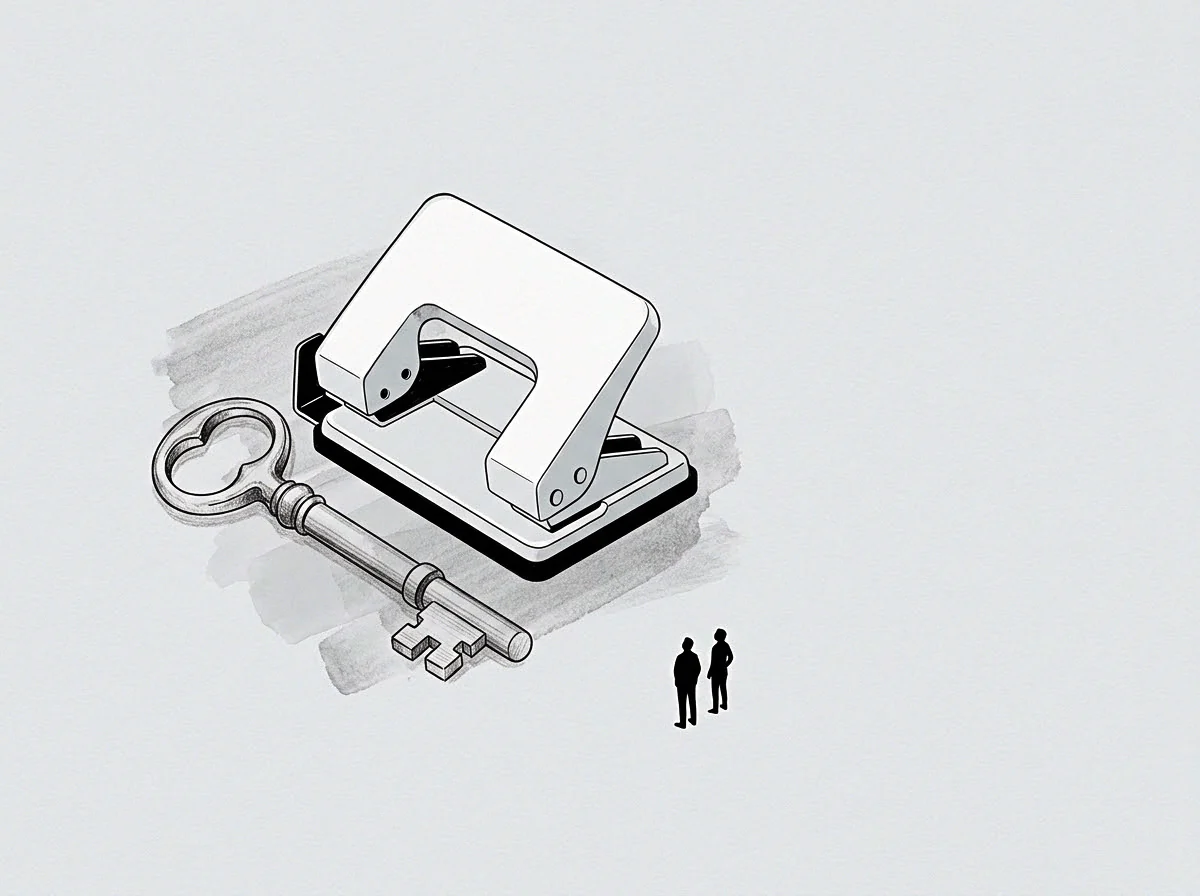
Measuring the ratio of formal execution to informal patch work provides a clear indicator of operational health.
When informal effort exceeds defined parameters, team throughput stalls despite increased headcount. The solution rests on identifying silent operational work and converting it into documented standard procedures. Unmeasured operational adjustments always compound until explicit baseline expectations replace informal arrangements.

Loss
Sequence of Structural Degradation in Unmanaged Teams
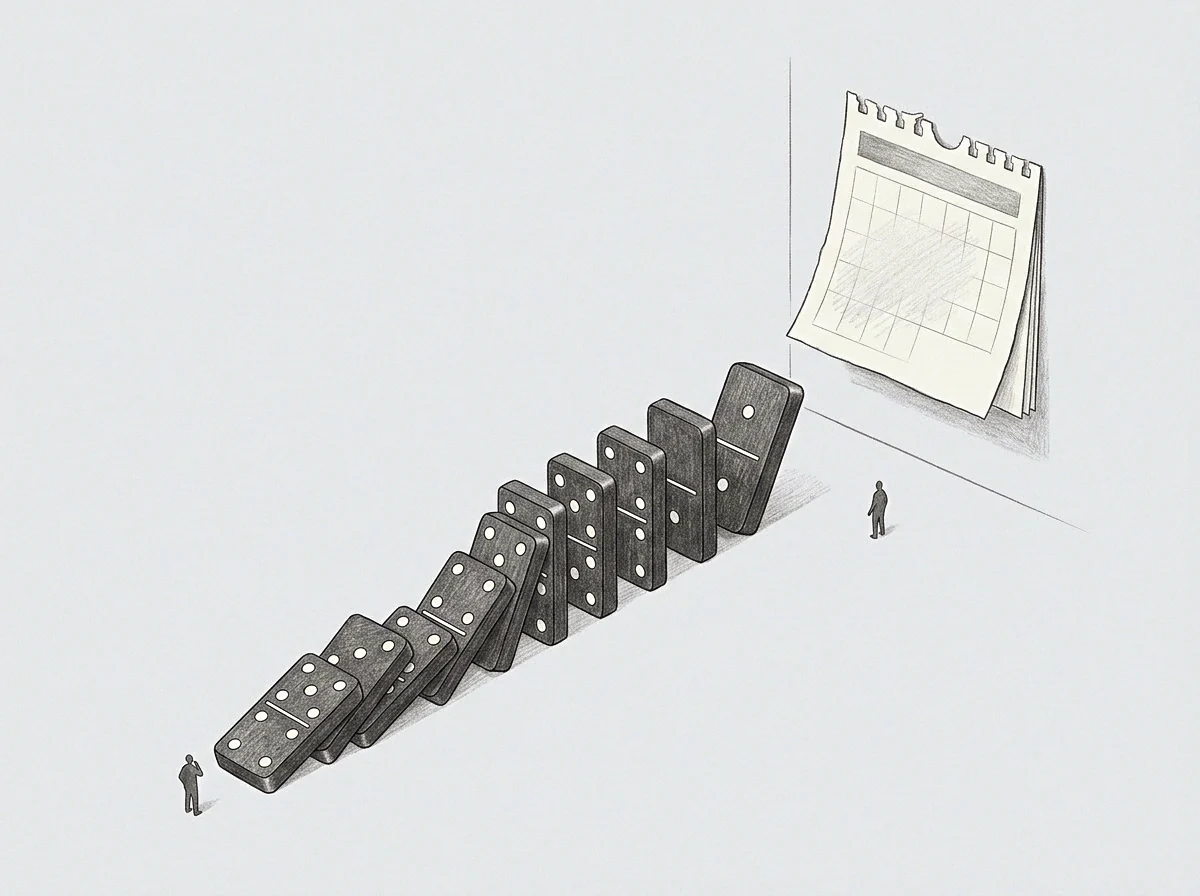
Ignoring tacit operational adjustments triggers a predictable decay pattern across growing teams. The conversion of unstated goodwill into expected baseline performance marks the first phase of structural failure. What began as voluntary initiative gradually transforms into an unpriced organizational requirement.
- Early team members absorb unassigned operational duties during initial expansion phases without formal role adjustments.
- Leadership normalizes high output levels without accounting for the extra informal coordination hours required to sustain them.
- Systemic operational friction increases as team size grows, forcing staff to allocate more time to informal exception management.
- Individual capacity reaches saturation, resulting in sudden project delays, missed commitments, and degraded output quality.
- High-performing operators experience exhaustion and exit the organization, taking critical unwritten operational knowledge with them.
The departure of key personnel exposes the fragility of unmonitored operational systems. Newly hired replacements, executing strictly within formal job descriptions, fail to achieve historic throughput levels because unwritten coordination channels have vanished. Tacit knowledge loss reveals that organizational productivity relied on unpriced individual sacrifice rather than sound operational design.
Unpriced effort acts as a high-interest loan against team stability that eventually comes due through sudden resignations.
Evaluating operational health requires auditing the gap between official workflow maps and actual daily routines. The cost of replacing lost operational knowledge far exceeds the effort needed to formalize explicit operational terms early. Establishing transparent baseline requirements prevents unstated obligations from corroding team trust and operational stability.
The revised operational contract defines clear boundaries for role responsibilities, requiring written process updates whenever systemic exceptions exceed acceptable operational limits.

Form

Converting Implicit Effort Into Explicit Operational Terms
Transitioning from informal operational reliance to structured governance requires systematic identification and documentation of implicit tasks. Operations leaders initiate this change by auditing daily task distributions and cataloging work performed outside formal job mandates. Transforming tacit operational adjustments into explicit operational terms restores clarity to resource allocation and protects long-term team capacity.
Establishing clear operational terms involves setting explicit limits on unassigned work and creating formal channels for reporting process exceptions. Stated terms act as systemic filters, preventing informal workload creep while ensuring structural gaps receive appropriate management attention. Converting unwritten expectations into explicit agreements allows growing organizations to scale throughput cleanly while preserving operational stability.
Will leadership allocate the necessary capital to institutionalize implicit operational routines, or will the organization continue relying on unpriced employee effort until system failure occurs?