
Resolving Covenant Breach Risk When Long Horizon Operational Add Backs Expire Before Cash Realization
Expiring operational add-backs reduce calculated EBITDA before cash savings hit earnings, creating covenant breaches that require structural amendments or cures.
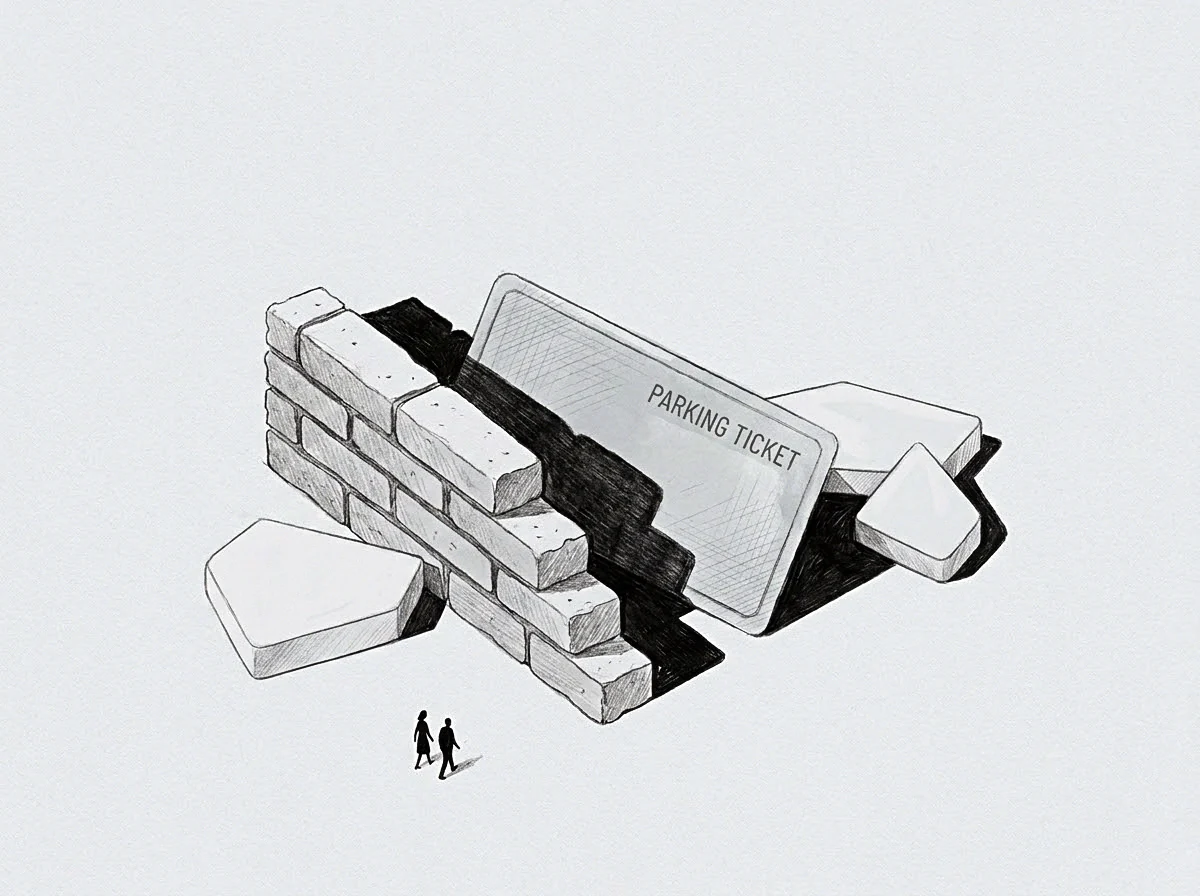
Mismatch
A borrower enters the eighteenth month of a credit facility carrying eighteen million dollars of non-recurring operational add-backs in calculated earnings. The credit agreement dictates that pro-forma restructuring add-backs expire twenty-four months post-closing unless underlying cost reductions reach the income statement. Three plant consolidations remain delayed by eight months because software integration failed across regional sites.
The contractual sunset clock continues ticking regardless of operational delays.
Lenders calculate financial covenants using Consolidated Adjusted EBITDA. When private equity sponsors buy companies, credit agreements routinely allow operational add-backs. These adjustments permit companies to add back expected cost savings, headcount rationalizations, and supply chain consolidations to historical earnings.
Lenders accept these additions because operational overhauls take time to complete. The credit agreement grants a temporary bridge by counting future savings as current earnings.
Credit agreements limit this temporary bridge using two primary constraints. First, total operational add-backs face a percentage cap, often fixed between fifteen and twenty-five percent of reported EBITDA. Second, add-backs carry a rigid sunset clause, typically twelve to twenty-four months from the closing date.
The definition of adjusted earnings mandates that if the operational savings fail to materialize in cash before the sunset date hits, the add-back drops out of the covenant calculation automatically.
Operational complexity causes execution schedules to drag. Supply chain restructurings require regulatory approvals, severance negotiations, and physical equipment migrations. While management executes the operational plan, inflation and integration friction eat into expected margins.
The business keeps spending cash to finish the overhaul, but the income statement reflects the costs before realizing the savings.
Operational add-backs inflate covenant capacity temporarily, but contractual sunset dates eliminate that capacity regardless of operational progress.
As the sunset date approaches, the divergence between calculated earnings and cash earnings creates immediate covenant risk. Total net debt stays constant while calculated EBITDA contracts by the exact amount of the expiring add-back. A leverage covenant set at four times debt to EBITDA turns restrictive overnight.
The business experiences an artificial leverage spike simply because the contractual clock expired before the operational savings hit the general ledger. Lenders receive compliance certificates showing elevated leverage ratios, initiating formal default notifications even when top-line revenue remains intact. Unaddressed expiry forces the borrower into technical default, transferring governance control to credit committees when liquidity is already committed to ongoing operational projects.

Desk
Financial compliance tracking demands continuous monitoring of add-back realization schedules long before compliance certificates come due. Treasury management teams model quarterly leverage ratios under multiple realization scenarios. Waiting until the quarter of expiration guarantees operational surprise.
Financial models map each approved add-back initiative against actual general ledger accounts to track real cash impacts.
Borrowers encounter structural friction points when tracking operational adjustments against strict credit agreement definitions.
- Realization Tracking Gaps occurs when management fails to tie specific line-item expense reductions directly to the initial add-back schedule presented to credit underwriters.
- Synergy Cannibalization arises when new operational expenses created during integration offset the gross cost savings realized from headcount reductions.
- Audit Verification Delays occur when external accounting firms refuse to certify uncapped pro-forma adjustments without formal third-party operational review reports.
- Covenant Cap Compression happens when declining baseline revenue reduces the total dollar value allowed under percentage-based add-back caps.
Determining the appropriate path for resolving covenant compression requires evaluating alternative structural remedies across financial criteria.
| Remedy Option | Cash Impact | Lender Consent Threshold | Execution Lead Time | Governance Cost |
|---|---|---|---|---|
| Stated Add-Back Sunset Extension | Zero immediate outlay | Required Majority Lenders | Sixty to ninety days | Amendment fee and interest margin step-up |
| Equity Cure Contribution | Direct cash injection | No consent required if pre-negotiated | Ten business days | Ownership dilution for equity holders |
| Financial Covenant Reset | Zero immediate outlay | Required Supermajority Lenders | Ninety to one hundred twenty days | Warrants and structural debt tightening |
| Asset Sale Debt Paydown | Cash inflow from disposition | Subject to asset sale covenants | One hundred twenty plus days | Loss of operational cash-generating assets |
Managing this compliance timeline requires explicit internal schedules. Quarterly reporting packages must disclose the exact portion of realized cash savings alongside remaining un-realized add-backs. Lenders review these schedules during routine credit checks.
Transparent tracking builds credibility with credit analysts, establishing the groundwork for contractual amendments long before sunset expiration dates trigger leverage surges.
Section 8.02 of standard credit agreements specifies that covenant compliance calculations must apply the exact definitions contained in Schedule 1.01 without informal modification.

Cure
Equity cures offer a contractual mechanism to absorb covenant shocks caused by expiring add-backs. When an add-back lapses and leverage surges past contractual ceilings, sponsors can inject fresh equity capital to restore compliance. The credit agreement treats equity cure proceeds as added EBITDA or direct debt reduction for covenant testing purposes.
Equity cures protect against technical default without requiring lender consent.

Can Operational Milestones Substitute For Cash EBITDA Realization?
Lenders view operational progress through a strict accounting lens. Completing a factory consolidation or terminating redundant software licenses proves management execution, yet credit agreements evaluate metrics solely through dollar terms. Borrowers often request that lenders accept verified operational milestones as grounds for extending add-back expiration dates.
Credit committees rarely accept unquantified operational progress without financial concessions.
Credit agreements impose strict limitations on equity cure rights. Standard facilities limit equity cures to two consecutive quarters and no more than four cures over the life of the loan. Furthermore, equity cure dollars cannot build liquidity baskets for shareholder distributions or un-capped capital expenditures.
Utilizing an equity cure to cover expired add-backs consumes a finite structural protection designed for broader macroeconomic downturns.
A contractual equity cure restores leverage compliance immediately, but it consumes finite structural protections to cover operational delay.
Sponsors scrutinize the financial logic of placing equity into a business solely to offset an expiring add-back. If operational savings are delayed by twelve months, the equity contribution acts as expensive bridge financing. The owner must weigh equity dilution against the cost of negotiating credit agreement amendments.
Early intervention remains vastly cheaper than emergency equity injections.
Lender credit committees evaluate operational delays with extreme caution. The institution demands immediate cash paydowns or equity contributions whenever projected operational savings fail to materialize inside contractual timeframes.

Amendment
Securing a credit agreement amendment provides a direct route to address add-back expirations. Borrowers initiate formal discussions with administrative agents months before add-backs lapse. The objective centers on amending the definition of Consolidated Adjusted EBITDA to extend sunset dates or adjust percentage caps.
Requests must present clear empirical evidence proving that cost reductions are underway.
- The borrower builds an audited realization report detailing every executed operational cost reduction and mapping future cash realization dates.
- Management presents the realization report to the administrative agent alongside a formal amendment request detailing proposed definition changes.
- The administrative agent distributes the amendment package to syndicate lenders and establishes a formal vote deadline.
- Syndicate lenders assess the request, pricing the amendment through consent fees, interest rate margin increases, or tighter springing covenant thresholds.
- Legal counsel executes the formal credit agreement amendment upon receiving consent from the required lender threshold.
Negotiating amendment terms involves clear financial tradeoffs. Lenders rarely grant add-back extensions without demanding compensation for extended credit risk. Borrowers face higher interest rate spreads, elevated commitment fees, or tighter debt service coverage tests.
The process exposes the borrower’s operational delays to the entire lender syndicate, potentially harming credit ratings.
What specific financial concessions will syndicate lenders demand when operational add-backs are extended into secondary sunset windows?

Term
Constructing precise credit terms during initial deal structuring prevents covenant risk long before sunset dates approach. Financial sponsors and corporate borrowers must align add-back expiration terms with realistic operational timelines. Setting a twelve-month sunset clause on a complex, multi-year international supply chain overhaul guarantees future covenant stress.
Initial terms must reflect operational realities rather than aggressive deal models.
Stated terms serve as structural filters. Negotiating flexible add-back mechanics at inception protects the business against execution delays. Borrowers can negotiate milestone-based sunset extensions directly into the original credit agreement.
Under these provisions, achieving verifiable operational steps automatically extends the add-back sunset window without requiring secondary lender consent.
Realistic operational realization schedules set during initial transaction structuring prevent financial covenant defaults caused by artificial add-back expirations.
Cash governs covenants. Operational initiatives take time, but contractual clocks run continuously. Management teams that monitor realization dates, engage lenders transparently, and structure realistic initial debt agreements preserve operational freedom while managing risk cleanly.