
Resolving The Boundary Between Diagnostic Silence And Retrospective Executive Retaliation In Unsupervised Delegations
Diagnostic silence becomes retaliatory when unstated executive preferences are covertly scored as performance deficits and punished retroactively.
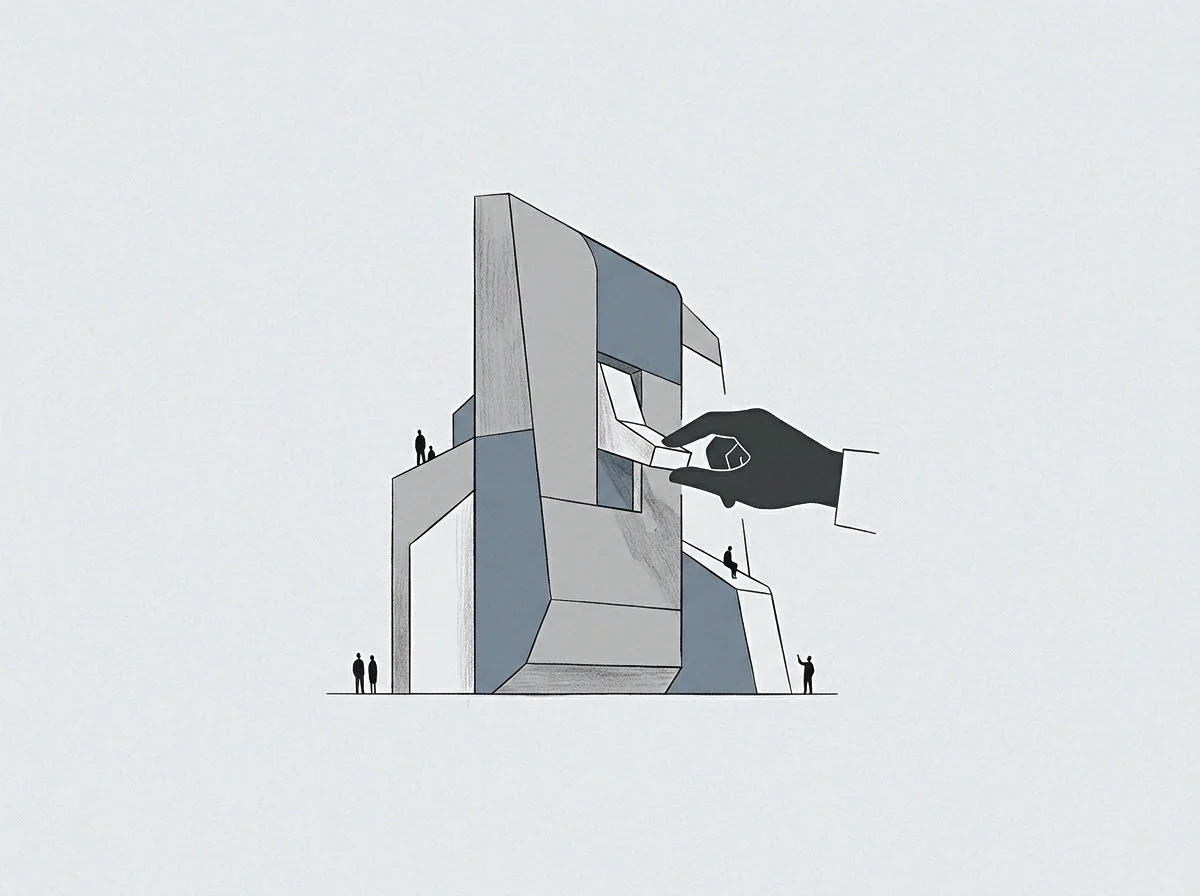
Signal
An operator takes over a division without an agreed reporting cadence, defined metric thresholds, or explicit intervention triggers. Four months pass without a question from the founder. That silence operates in one of two ways: as a deliberate diagnostic window to see how the delegate runs on their own, or as the accumulation of private expectations that will be enforced retroactively.
Leaving the distinction undefined turns the delegation into an unmanaged exposure.
Diagnostic observation requires stating the intent up front. The founder watches operational decisions, capital allocation, and escalation habits without stepping into the work, gathering baseline data on how the operator handles trade-offs alone. Covert surveillance, by contrast, tracks every departure from an unstated personal preference while saying nothing, logging each difference as a breach of trust.
On the surface, the two look identical: no messages, no scheduled check-ins, and no executive interjections.
Diagnostic observation ceases the moment an unstated standard is recorded as a performance deficit without prior disclosure.
The friction surfaces when the silence breaks. In a diagnostic setup, the observation window closes with an open review of baseline execution against pre-agreed targets. In a covert setup, the end of silence brings sudden clawbacks of authority, reallocated headcount, or line-item vetoes on completed work.
The operator discovers the autonomy was an evaluation under terms they were never handed.
When an executive fails to separate diagnostic observation from covert grievance accumulation, senior talent leaves the seat within two operational quarters following the initial retroactive intervention.
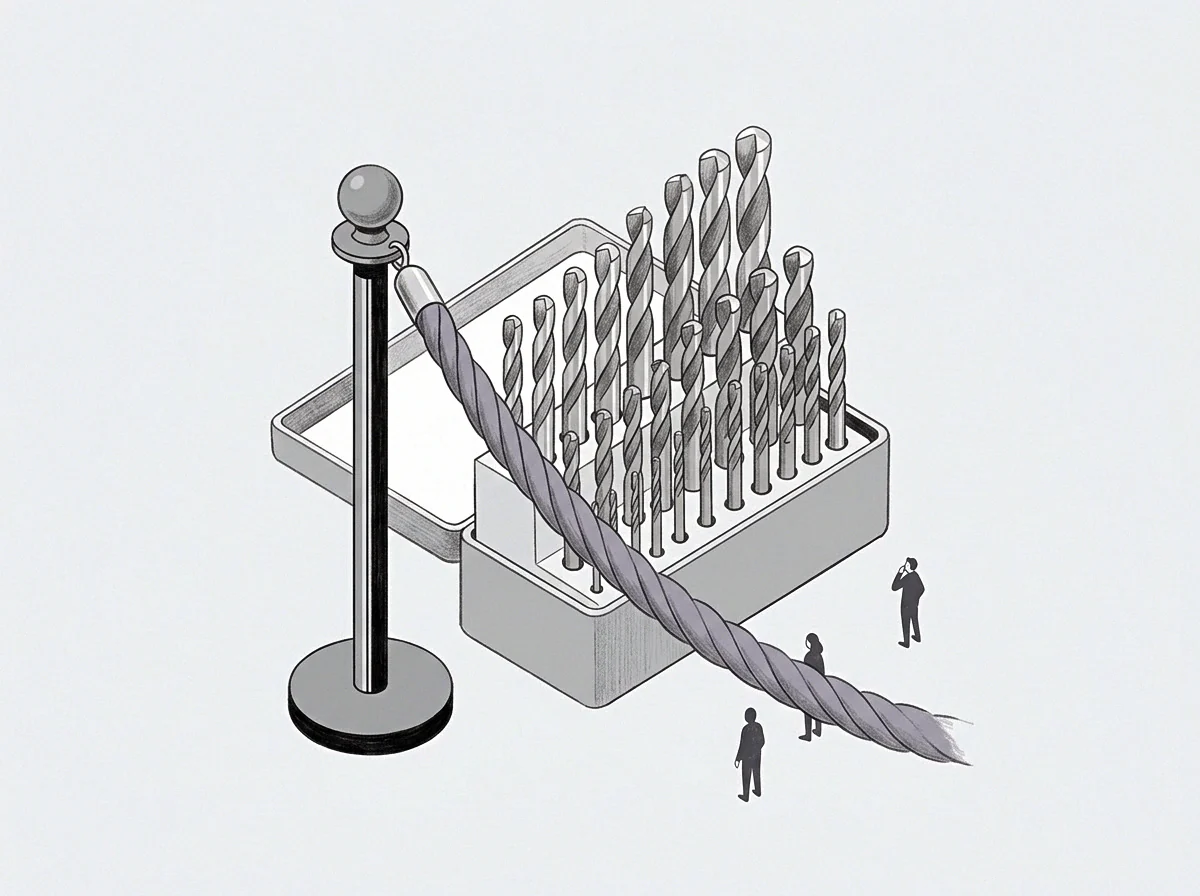
Floor

Structural Baselines in Unmonitored Mandates
Autonomous delegations run on structural limits rather than continuous guidance. A sound delegation sets hard capital ceilings, non-negotiable risk limits, and clear authority floors before the work starts. Declaring those limits at the outset eliminates routine check-ins and stops executives from overturning decisions made inside the agreed perimeter.
The line between observational patience and punitive withholding comes down to declared variance thresholds. The two models function on fundamentally different operational terms:
| Governance Dimension | Diagnostic Observation Protocol | Retrospective Retaliatory Pattern |
|---|---|---|
| Initial Stated Condition | Explicit observation window with declared non-intervention parameters and fixed review dates. | Blanket autonomy granted verbally with unstated operational expectations and hidden preference criteria. |
| Executive Silence Meaning | Data collection on baseline decision cadence and autonomous problem resolution. | Passive grievance logging as operational choices diverge from executive habits. |
| Intervention Trigger | Documented breach of pre-agreed capital, regulatory, or operational limit lines. | Internal executive frustration crossing an emotional tolerance threshold. |
| Resolution Mechanism | Structured diagnostic review comparing observed outcomes against written performance criteria. | Abrupt authority reclamation, informal sidelining, or retroactive invalidation of executed contracts. |
The difference between structural safety limits and unstated behavioral preferences determines whether an intervention is legitimate. An executive who caps spending at fifty thousand dollars gives an operator who spends forty-nine thousand dollars full operational clearance. If that executive privately expected spending to stay under twenty thousand dollars, the resulting friction stems from an unstated term, not an execution failure.
A stated term establishes an operational perimeter while an unstated preference generates a retroactive penalty.

Operational Risk Containment
Sound observation periods use hard limits to protect the company from compounding exposure while keeping the operator independent:
- Capital Outlay Ceilings set strict financial commitments above which explicit co-signature becomes mandatory, leaving all smaller capital commitments entirely within the delegate’s discretion.
- Irreversible Contract Clauses identify specific counterparty agreements that cannot be executed without corporate counsel and founder review, preserving baseline structural integrity.
- Public Brand Commitments define exact messaging channels requiring central coordination, preventing fragmented external identity while permitting unrestricted internal operational changes.
A written agreement establishes that any decision within those parameters is safe from retroactive veto, keeping the operating foundation steady throughout the delegation period.

Variance

The Mechanics of Covert Grievance
Covert arrangements take hold when executives assume unspoken preferences count as alignment. The executive assumes an experienced operator will naturally run a unit the way the executive would. When the operator makes different choices, the executive treats the divergence as a breach, even with no documentation or verbal agreement barring the approach.
The executive views the silence as patience; the operator views it as approval.
Every unstated expectation accumulates like unhedged debt. The delegate hires staff, sets team workflows, and signs vendor agreements under the assumption of executive consent. Meanwhile, the executive tracks each departure from their private model as evidence of poor execution.
The gap between the founder’s unvoiced standard and the operator’s actual work widens every week.
Unstated expectations convert autonomous operational execution into accumulated relational liability without warning.
This pattern plays out directly in team design. An operator organizes an internal division into functional pods. The executive prefers cross-functional squads but never specified an operating structure during onboarding.
The executive stays silent for six months while the structure takes root. When throughput wavers during the transition, the executive steps in, pulls hiring authority, and blames the operator’s structural judgment.
The operator receives that sudden intervention as an arbitrary reversal of the initial mandate.

Recoil

The Retaliatory Response Pattern
Retroactive retaliation shows up in executive behaviors that erode the delegate’s standing without a formal transition. The executive feels justified because their private ledger of divergence has filled up. But without codified baselines to point to, an objective performance review is impossible, so quiet retaliation takes its place.
That response typically follows three paths:
- Structural Circumvention occurs when the executive begins holding private meetings with the delegate’s direct reports, overriding directives, and establishing alternative communication channels that bypass the division lead entirely.
- Resource Starvation involves the silent denial, delay, or reallocation of previously earmarked capital, headcount approvals, and technology assets, strangling the delegate’s projects without declaring an official stop.
- Retroactive Scope Reduction strips the delegate of core responsibilities, reassigning major initiatives to parallel leaders while publicly maintaining that the delegate retains their original seat.
These actions fragment operational authority. The division’s direct reports notice the split, hedge their commitments, and begin running decisions directly to the founder. That dynamic pulls the executive back into daily operational micromanagement, nullifying the managerial leverage the delegation was supposed to provide.
A silent executive intervention always indicates a missing initial term rather than a sudden operational emergency.

Stance

Codifying Diagnostic Terms
Separating diagnostic observation from executive overreach means replacing assumptions with written covenants. An executive setting up an unsupervised delegation defines the diagnostic terms at the start: the duration of the observation window, the metrics evaluated, the red lines requiring immediate escalation, and the date for the baseline review.
This framework keeps observation distinct from performance grading. Within the observation window, operational variations that stay inside the agreed boundaries serve as baseline data on how the delegate works. If their methods produce the intended results through unfamiliar approaches, the executive adjusts their own assumptions.
If the work misses declared targets, the recorded data provides the basis for direct operational realignment.
When an executive maintains this structure, the mandate holds. The operator knows the boundaries of their authority and the specific conditions that bring the executive back into the loop. The founder gets real data on autonomous capacity without exhausting the working relationship with senior staff.
The operational question that remains open is how an enterprise systematically enforces executive adherence to stated non-intervention covenants when acute commercial stress tempts founders to revert to unannounced operational overrides.