
Resolving The Structural Tension Between Automated Governance Demands And Discretionary Operational Problem Solving
Automated governance demands explicit exception budgets and stated override terms so discretionary problem solving operates without covert liability during outages.
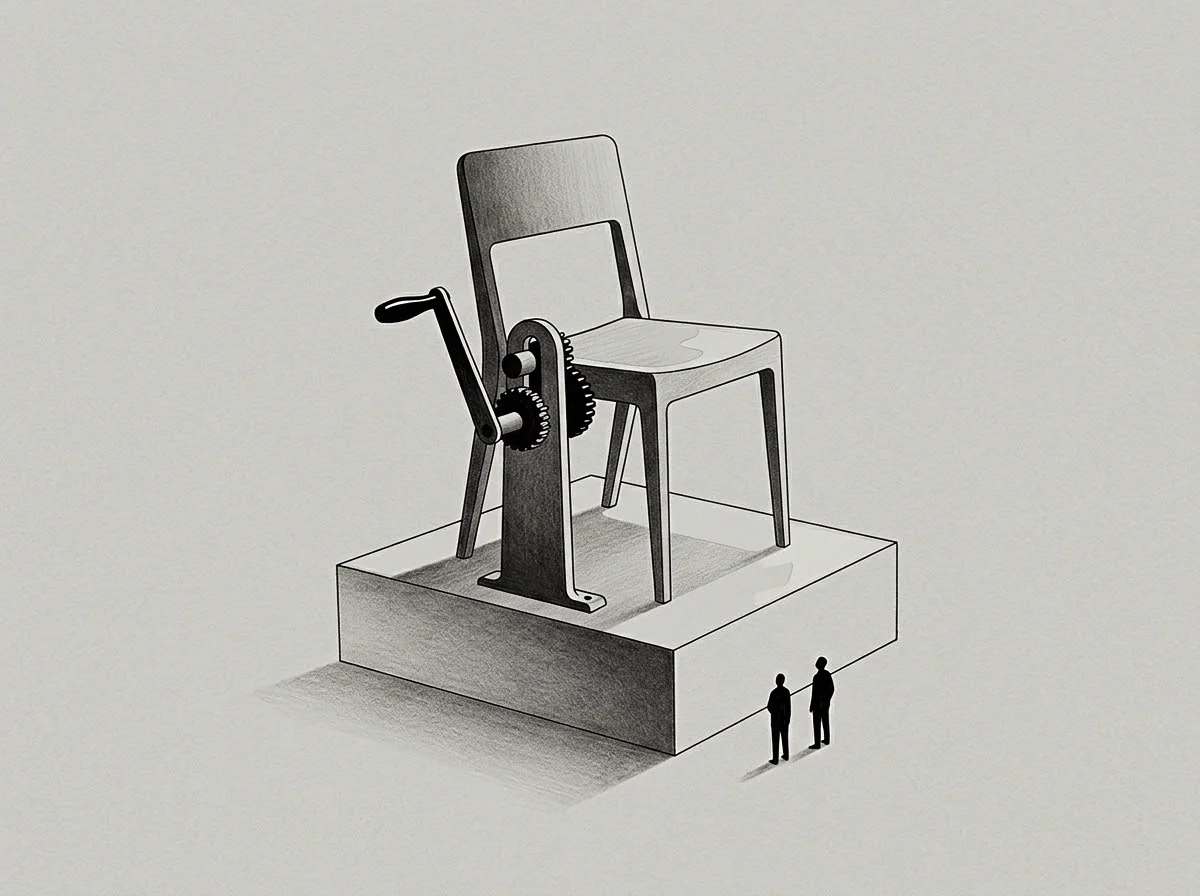
Grid
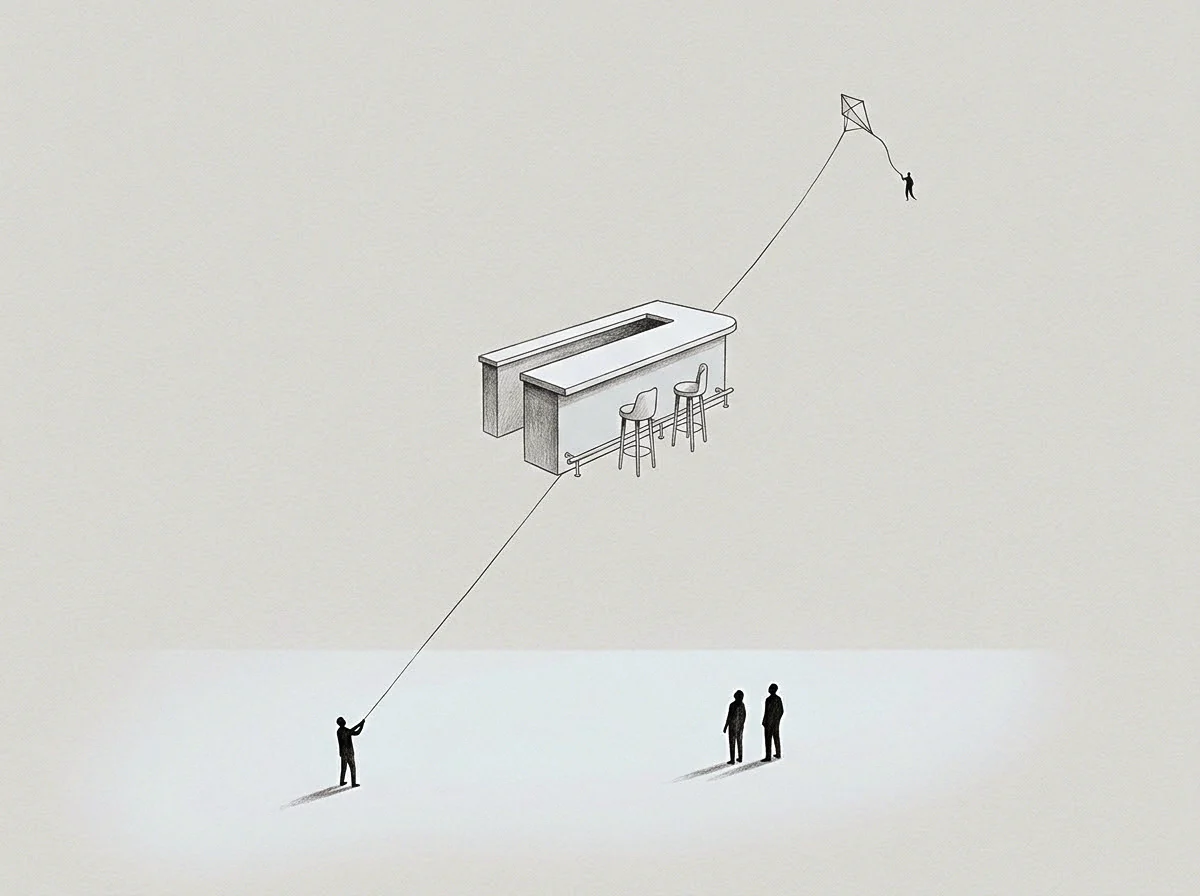
The Deterministic Pipeline And Live Outages
A production database freezes at three in the morning while automated continuous deployment gates reject emergency patches for missing secondary approvals. The server hangs. The terminal cursor blinks.
Downstream payment processing halts, customer queues fill, and monitoring alerts flood the operations channel. Automated compliance rules parse code changes against static regulatory checks, verifying cryptographic signatures and segregation duties. These checks operate on binary assertions.
They verify whether an author differs from the reviewer and whether an issue ticket contains an approved classification tag.
The system stops cold when encountering real friction. Operational realities produce novel failure states unmapped by initial rule sets. A human engineer in the operations seat holds the knowledge to alter an environment variable, flush an unindexed cache, and restore customer throughput in two minutes.
Doing so bypasses the automated pipeline, creates a governance alert, and registers an unapproved modification in the compliance log. Standing idle preserves the regulatory audit trail while business transactions fail by the thousands.
A stalled terminal during an unmapped system halt reveals the structural distance between automated rule validation and operational continuity.
A policy lacks eyes. The governance system records compliance states based on fixed schemas designed during stable quarters. Discretionary problem solving relies on real-time deduction, situational triage, and trade-offs made under incomplete information.
Tension emerges because automated systems treat all non-conforming actions as violations, while operational stability depends entirely on human discretion during catastrophic failures.
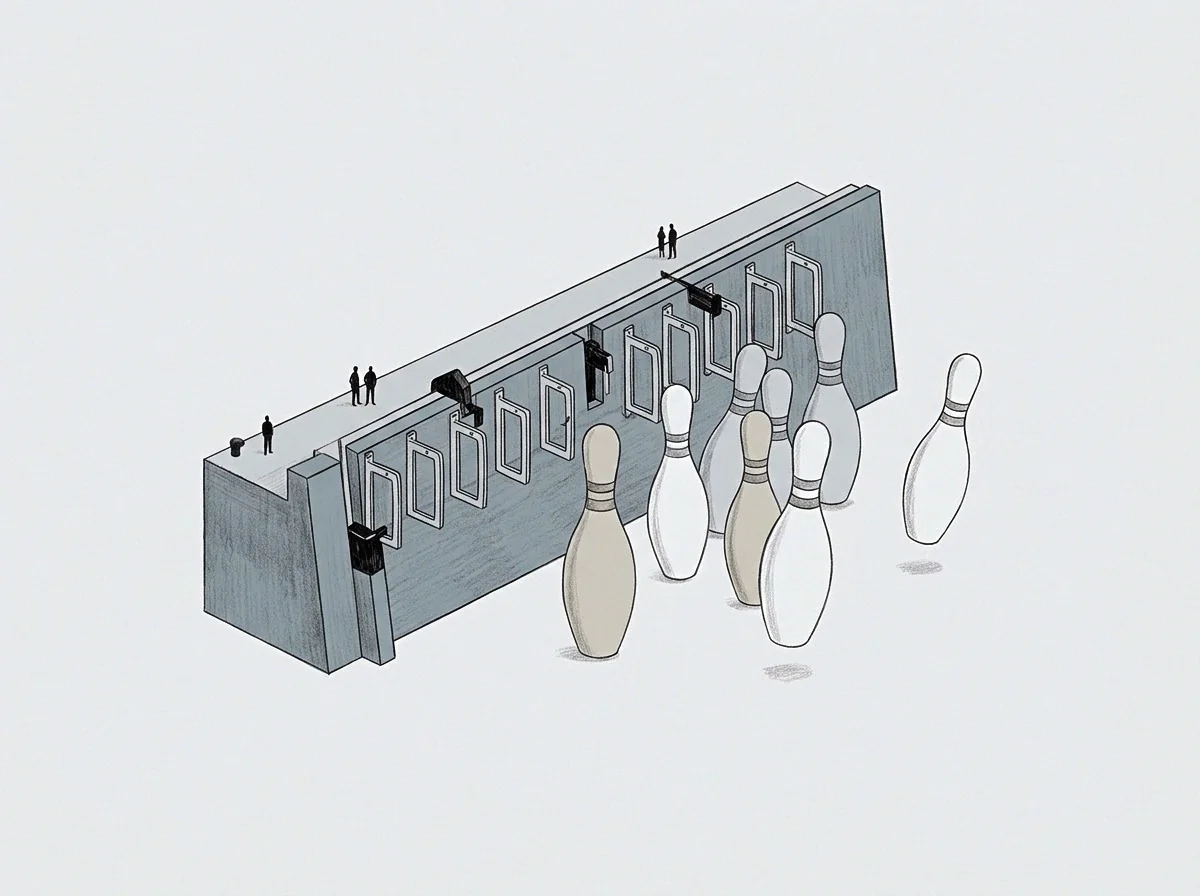
The Unspoken Expectation Of Dual Success
Leadership groups install automated governance to satisfy external regulators, board committees, and institutional audit demands. The organization adopts automated controls to restrict unauthorized access, prevent fraud, and establish non-repudiation across digital workflows. Concurrently, executive leaders expect zero customer-facing downtime and rapid resolution of unforeseen production bottlenecks.
These two expectations conflict directly during severe operational degradation.
Silence carries an expense. Management rarely states what an engineer must sacrifice when a deterministic policy blocks a necessary operational workaround. The unspoken assumption holds that capable staff will maintain pristine compliance records during normal operations and quietly circumvent system barriers during critical emergencies.
This creates an unstated operational tax borne by frontline staff. When workarounds succeed, business teams celebrate operational resilience; when audits occur, compliance teams condemn procedural circumvention.

Wedge

Divergence Between Static Rules And Incident Realities
Automated governance rules assume a predictable operational domain where every contingency possesses a predetermined path. Production environments present systemic entropy, vendor outages, concurrent race conditions, and corrupted records that escape formal categorization. Discretionary operational intervention functions as an adaptive buffer.
Operators make localized trade-offs, accepting technical debt or security risks for limited durations to prevent organizational paralysis.
Compliance runs on code. Automated rules cannot evaluate intent, business context, or the existential severity of operational deadlocks. The psychological contract within technical teams deteriorates when organizations mandate rigid adherence to automated rules while penalizing engineers for the operational paralysis those rules induce.
The literature on organizational psychological contracts documents how unstated, conflicting duties create cynicism, operational paralysis, and eventual employee disengagement.
- The Liability Asymmetry shifts personal accountability for system downtime onto operators while institutional systems enforce automated blocks that prevent technical resolution.
- The Ghost Workflow emerges when staff invent shadow administration accounts and undocumented backdoors to bypass automated compliance systems during recurrent system blockages.
- The Metric Inversion occurs when meeting automated audit standards takes operational precedence over delivering functional services to active clients.
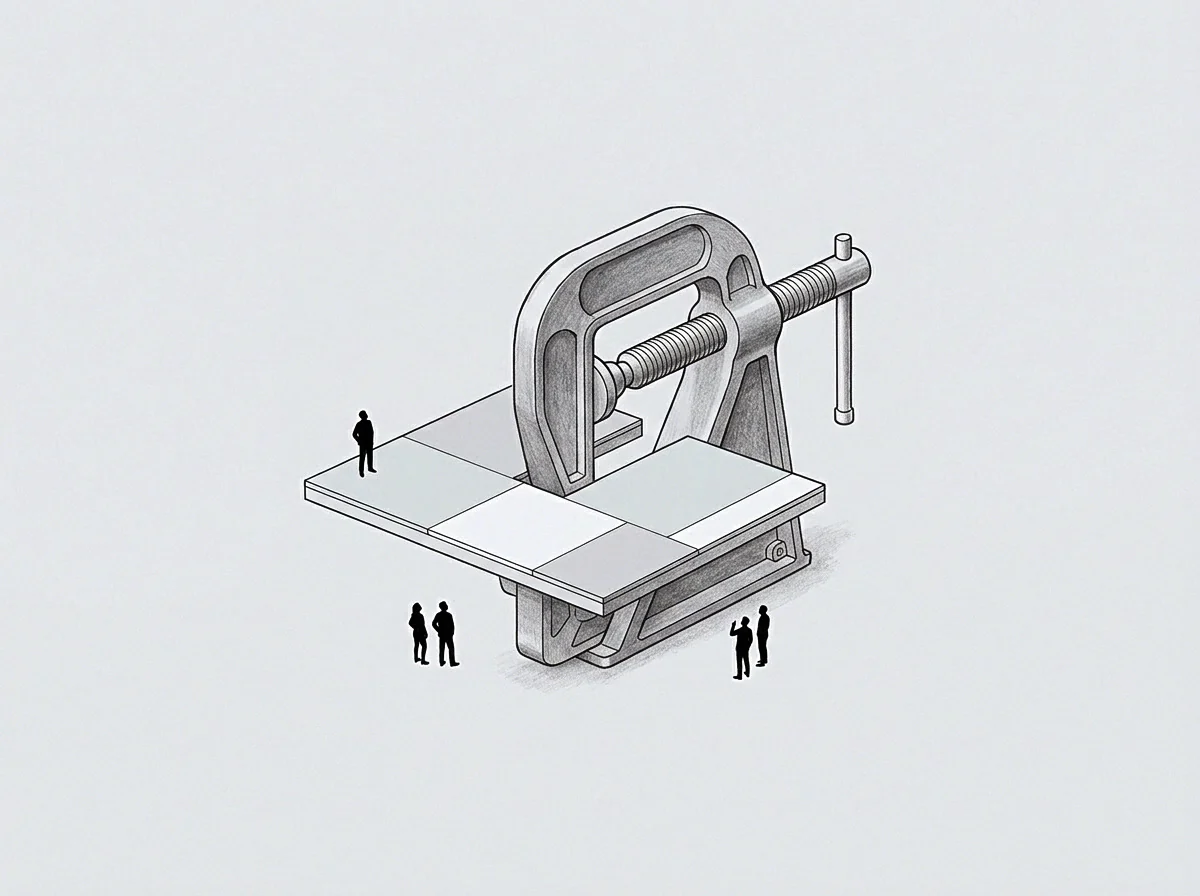
The Covert Contract Of Undocumented Intervention
The gap between documented policy and actual incident mitigation creates a covert arrangement. Frontline staff learn to solve problems off the record. They bypass identity management locks using administrative credentials shared in private channels.
The bypass remains invisible. The operator takes the heat. Management benefits from restored services without officially acknowledging that standard operational procedures were compromised to achieve the recovery.
When an unwritten expectation penalizes both compliance adherence and procedural bypass, frontline operators bear the operational debt.
This covert contract functions smoothly until an undocumented intervention produces a secondary failure. If an emergency manual override corrupts downstream records or triggers a data breach, governance bodies inspect the audit logs with retrospective detachment. The operator who acted in perceived loyalty to service availability faces disciplinary action for violating explicit rules.
The unstated mandate to keep the system running evaporates, leaving the formal violation exposed.
Unspoken operational dependencies between automated checks and manual triage inevitably break when an untracked override creates regulatory exposure.
Wall

Where Does Operational Triage Collide With Compliance?
System architects often view discretionary manual interventions as human errors requiring total programmatic elimination. Sociotechnical systems research demonstrates that human operational discretion remains the primary source of safety in high-consequence environments. Eliminating discretion does not eliminate failure; it merely relocates failure to the interface where rigid software confronts unanticipated physical realities.
The database locks freeze. Ambiguity exacts a fee. Take two technical leads operating an enterprise platform with three years of continuous delivery and no stated terms for manual emergency overrides.
Assume the lead operator holds direct administrative database access. During an unannounced payment gateway failure, the lead bypasses identity verification pipelines to re-route transaction flows to an alternate clearing partner. The action saves four million dollars in daily clearing volume.
Three months later, an external compliance audit logs the unauthorized credential use as a severe internal control failure. The company sanctions the lead operator.
The records tell nothing. The operator acted under the unwritten belief that business continuity overrode formal approval queues during five-figure revenue losses per minute. The compliance team acted under the written directive that zero unverified access events were permissible under regulatory standards.
The dispute centers on an unstated term: whether business survival parameters automatically suspend formal access controls without executive sign-off.
The Record Of Explicit Versus Hidden Overrides
Organizations navigate this tension through distinct operating configurations. The choice between rigid algorithmic enforcement and discretionary latitude determines how risk moves through technical and relational structures.
| Dimension | Automated Enforcement Mode | Discretionary Triage Mode | Relational Impact |
|---|---|---|---|
| Incident Response Speed | Halted by deterministic gate dependencies | Immediate execution of manual overrides | Frustration against static system controls |
| Audit Trail Integrity | Fully verified cryptographic log entries | Gaps in automated operational lineage | Compliance skepticism regarding manual activity |
| Operational Risk Placement | Absorbed entirely by organizational metrics | Transferred to individual problem solvers | Defensive documentation and operator anxiety |
| Novel Problem Resolution | Blocked by unmapped rule constraints | Resolved through creative technical trade-offs | Reluctance to intervene without formal cover |
Discretionary intervention requires structural protection. When operational problem solving happens entirely outside system logs, compliance officers see unauthorized tampering. The compliance officer looks at the gap in the log and observes that standard procedures were ignored for convenience without regard for institutional safety.

Pact

Stated Terms For Exception Budgets
Resolving structural tension between deterministic rules and live human triage requires turning covert expectations into stated terms. Rather than pretending automated governance operates without human overrides, an organization builds explicit escape hatches directly into system architectures. A term stated once establishes who holds authority to break glass, under what operating conditions, and how that action enters the compliance record without administrative punishment.
The rule books bend. Discretion operates in the open. The mechanism of an exception budget establishes clear boundaries before incidents occur.
Under this arrangement, operators possess a predefined allowance of emergency bypass privileges that temporarily suspend automated controls. Each bypass trigger automatically provisions isolated credential tokens, turns on continuous session recording, and alerts regulatory stakeholders in real time.
An explicit override term transforms an unauthorized security circumvention into a bounded operational safety protocol.
Clear boundaries settle dispute. Stating the limits of manual intervention removes the covert contract. An explicit contract sets measurable conditions: manual triage is permitted when an outage exceeds five minutes, impacts customer data access, and is accompanied by a concurrent ticket containing the operational justification.
- The Incident Waiver establishes immediate regulatory immunity for operators utilizing authorized bypass tooling during catastrophic service degradation.
- The Dual Key Protocol specifies that manual overrides require cryptographic concurrence from two distinct operators, preserving segregation of duties during live triage.
- The Automatic Expiration Limit forces emergency access credentials to revoke themselves ninety minutes after activation, preventing persistent privilege creep.
The Structure Of Operational Immunity Windows
Engineering teams frequently fear documenting their operational workarounds due to audit blowback. Governance teams distrust manual intervention due to opacity. A structural bridge exists when the organization formalizes operational immunity windows.
These windows establish that an operator executing a manual intervention inside defined emergency bounds cannot face personal administrative penalties for control circumventions.
The immunity clause specifies that any technical action taken to preserve platform integrity during an active high-severity incident remains free from compliance retaliation, provided the operator conducts an unredacted retrospective within twenty-four hours of incident closure.
Relief
Positioning Authority Above Static Policy
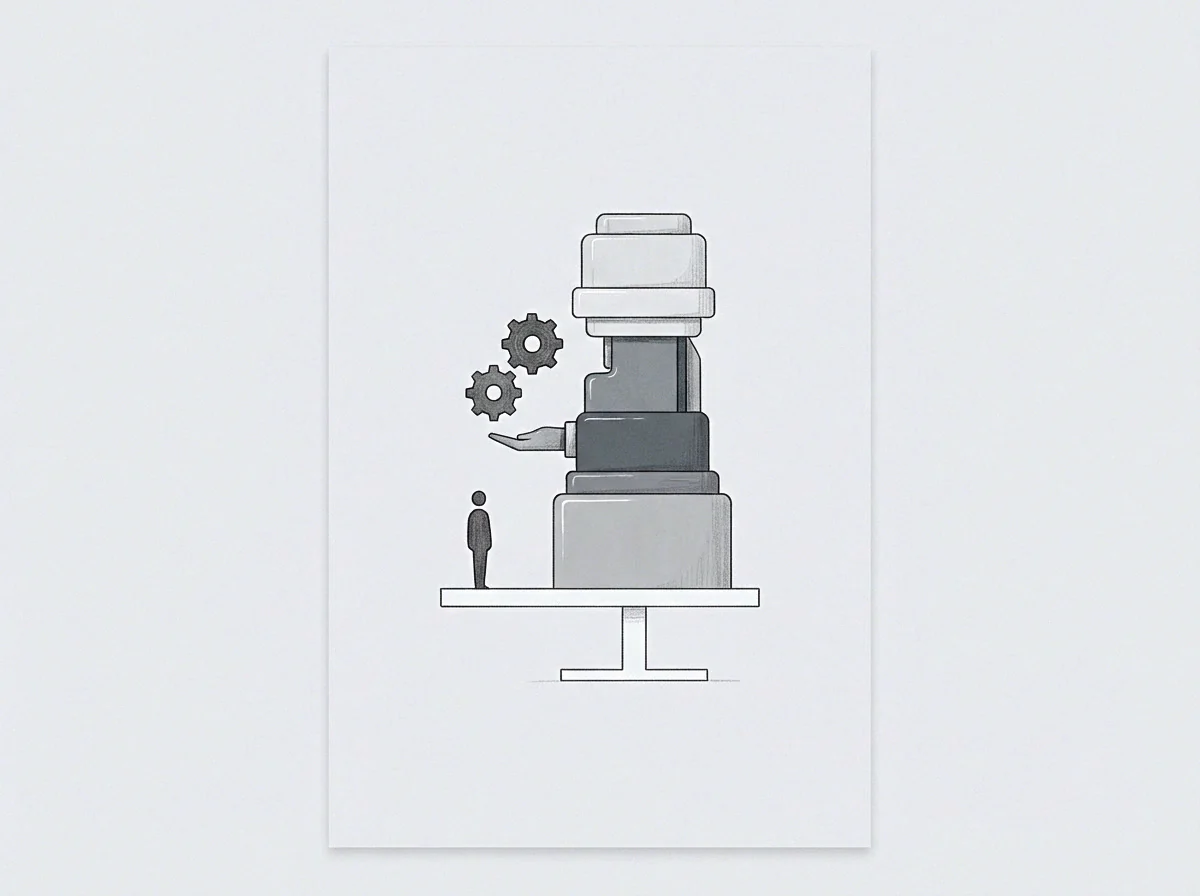
Automated governance tools serve the organization; the organization does not serve the governance tools. When code-based compliance checks assume ultimate operational authority, organizations become fragile, brittle constructs incapable of responding to novel environmental shocks. A rule cannot think.
True resilience exists in the capability of human operators to evaluate ambiguity, suspend ordinary operational constraints, and reconfigure systems to survive crisis states.
The queue backs up. Structural alignment occurs when leadership explicitly delegates authority to operators to override programmatic controls. This authority is not an informal favour or a casual understanding.
It is a formal architectural tier. Governance software must be designed with native comprehension of human override states, recording discretionary decisions as valid operational telemetry rather than illicit protocol breaches.
Settling The Residual Operational Friction
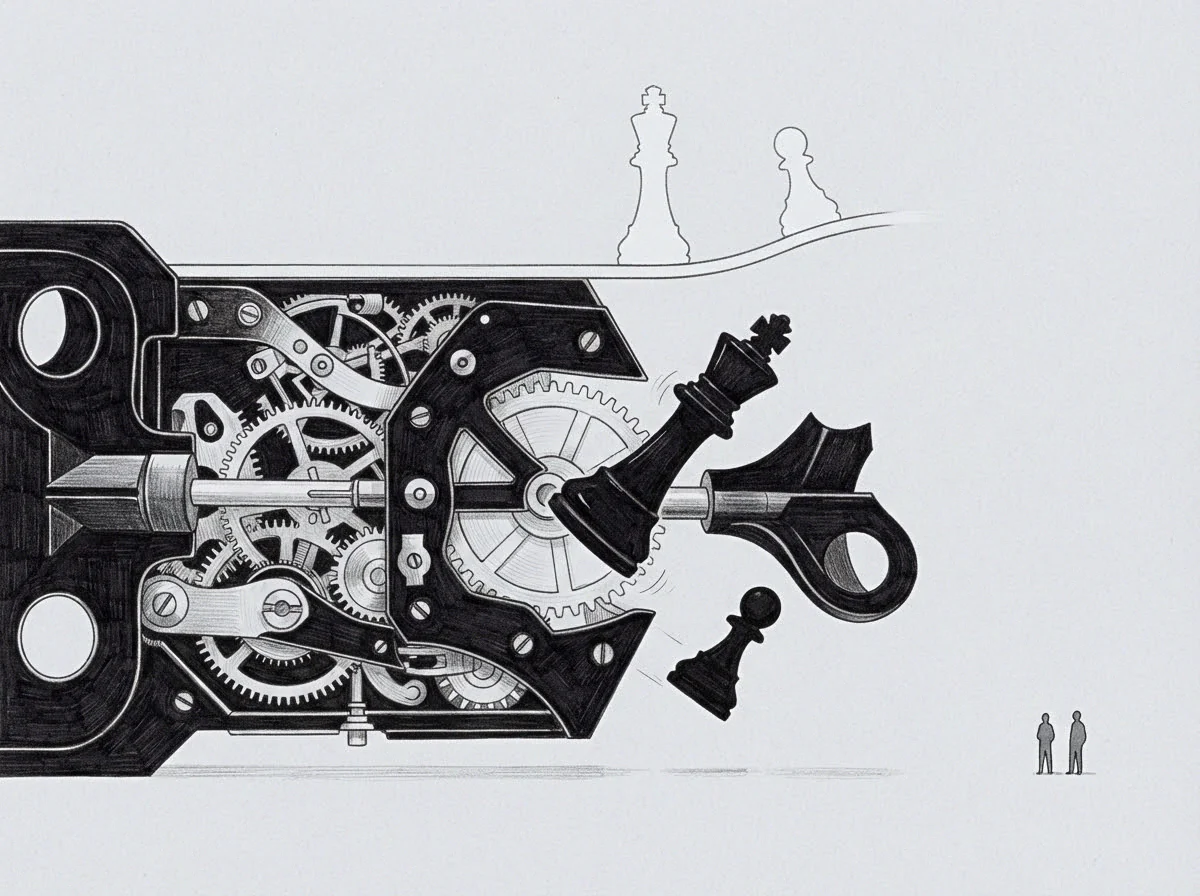
Tension between automated compliance demands and discretionary operational execution never disappears entirely. The two modes represent opposing organizational imperatives: preservation of historical conformity versus adaptation to immediate novelty. Settling this friction means accepting the permanent necessity of human override valves and designing deterministic systems around that reality.
When automated systems account for discretionary triage through explicit, stated terms, the covert contract dissolves. Frontline engineers no longer carry the unstated liability of institutional continuity. Compliance records accurately reflect operational realities instead of sanitized fictions.
The organization secures regulatory defensibility while preserving the adaptive capacity required to survive continuous operational change.
A system that acknowledges human intervention in its code survives longer than one that demands absolute obedience from an empty room.