
Clean Room Software Rewrites And Unassigned Intellectual Property Rights
A clean room rewrite replaces expressive source code through isolated engineering teams to eliminate copyright infringement without curing unassigned patent title.
Flaw
A software repository contains seven hundred thousand lines of source code, thirty percent of which carry no written transfer of ownership from the contributor who committed them. The contributor held an advisory seat, wrote code during evenings across eighteen months, accepted no formal equity grant, signed no proprietary information agreement, and left after an informal disagreement about valuation. When prospective acquirers inspect the repository, the chain of title fractures immediately at that missing document.
The firm holds a bare nonexclusive license by implication, while the departed engineer retains the underlying copyright in every module authored without a signed assignment. The standard response inside early engineering environments involves commissioning a clean room rewrite to strip the contributor’s rights out of the codebase.
Clean room engineering operates as an isolation procedure designed to defend against copyright infringement claims when replacing disputed software. In its formal expression, the procedure divides engineering capacity between two isolated chambers: an analysis group that inspects the contaminated source to compile functional specifications, and an implementation group that receives only those specifications to author replacement code from scratch. The implementation engineers work in an environment sanitized of the original expression.
When executed correctly, the clean room rewrite severs access to the protected expressive elements of the prior work, leaving the resulting software clear of the original copyright.
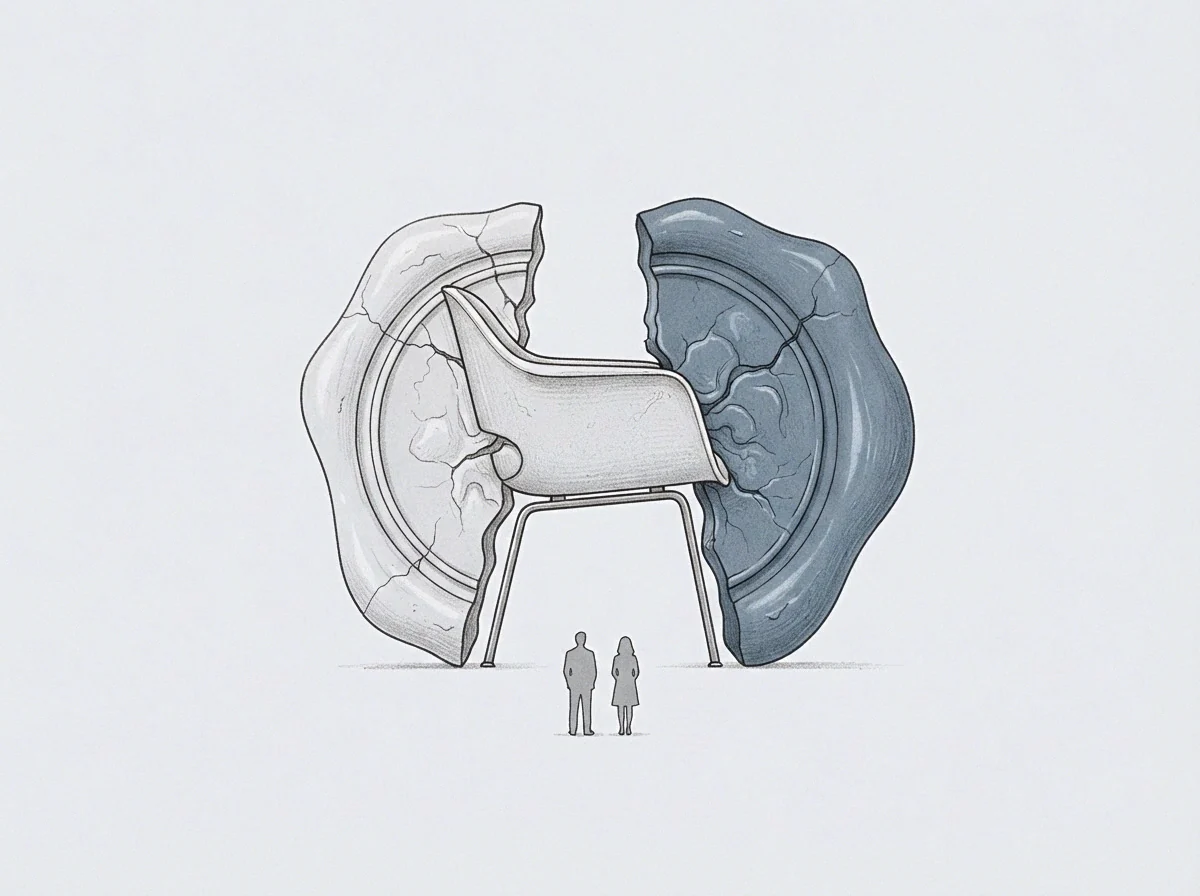
A clean room rewrite replaces expression while leaving the unassigned contributor in possession of the original code.
Confusing a copyright defense with title remediation creates a distinct exposure. An unassigned intellectual property right represents an ownership claim against the product itself, whereas clean room procedures resolve the different evidentiary hurdle of illicit copying. Replacing lines of code does not extinguish the departed engineer’s equity claim, nor does it resolve trade secret misappropriation claims if the functional specification itself relies on confidential architecture.
Clean room software rewrites address the derivative work issue under statutory copyright rules, yet they leave the structural relationship with the contributor open to separate attacks under contract and equity law.
Using an engineering remedy for an unwritten legal arrangement rarely removes the original author’s leverage. A rewrite absorbs months of engineering capacity without extinguishing an unassigned ownership interest in an underlying patent, an unassigned trademark, or a partnership claim arising from early unwritten covenants. The departed contributor remains free to license their original code to competitors, commercialize it directly, or allege that the clean room process leaked non-public proprietary logic through the specification layer.
The cost of conflating expressive copyright with structural ownership lands directly on capitalization tables during enterprise due diligence.
Wall
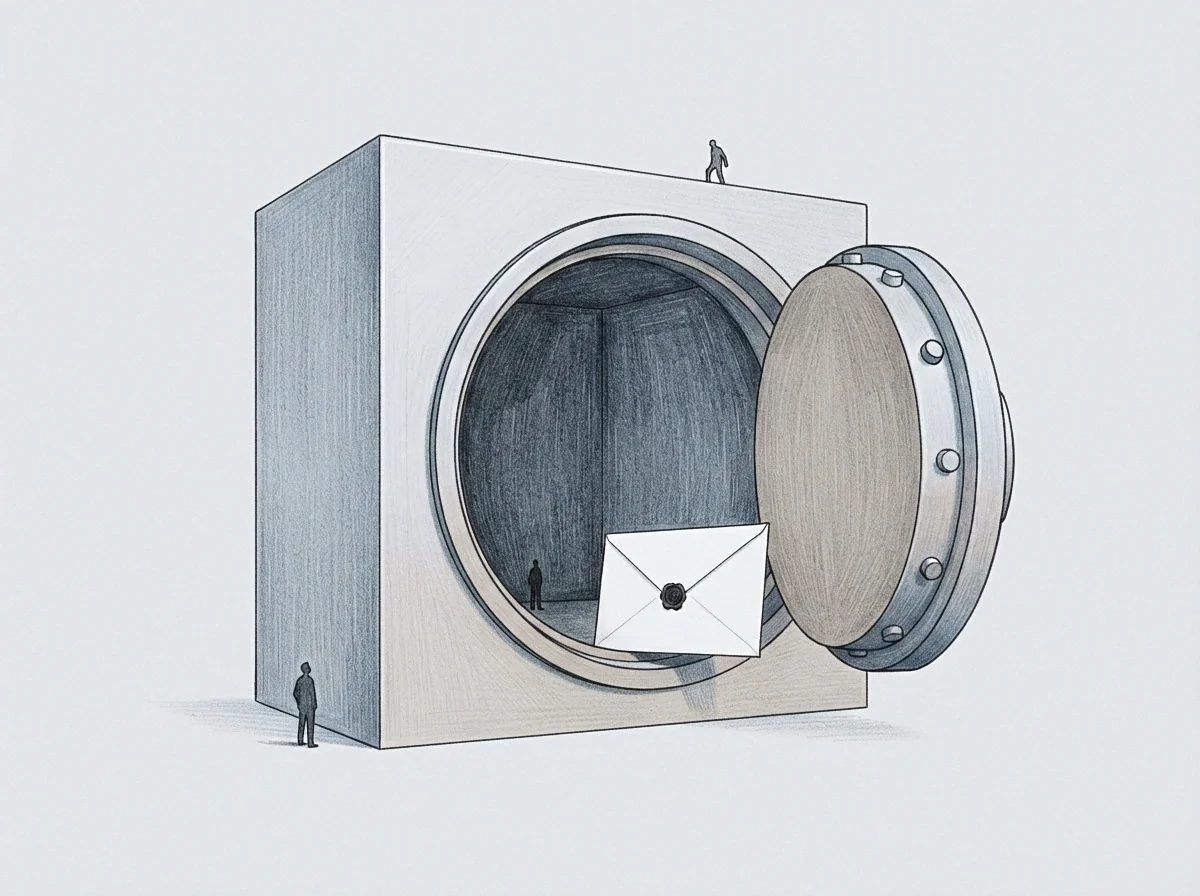
A clean room architecture isolates human actors to prevent subconscious copying of protected expressive structures. Software copyright case law recognizes that programmers exposed to source code retain architectural habits, variable nomenclatures, and design patterns that reappear involuntarily in subsequent work. To build an evidentiary wall, an enterprise establishes two distinct environments separated by an audited communications channel.
The Dirty Room houses engineers who study the disputed software, read the underlying code, document data schemas, and extract behavioral criteria. These engineers never write a single line of production software for the replacement product. Their sole output is a functional specification that details inputs, outputs, error conditions, state machines, and system interactions without including actual source code, pseudocode, or expressive annotations.
Every document generated inside this chamber undergoes legal review before delivery to the opposite room.
The Clean Room houses software engineers who possess zero prior exposure to the disputed codebase. They operate under monitored environments where external repository access, personal communication devices, and cross-team discussions remain restricted. These programmers author the new software using only the sanitized specifications delivered through the gatekeeper.
By proving lack of access to the original expressive material, the enterprise establishes that any similarities in the resulting code stem from functional necessity rather than illicit reproduction under the merger doctrine or scènes à faire principles.
Air Gaps Across Functional Chambers
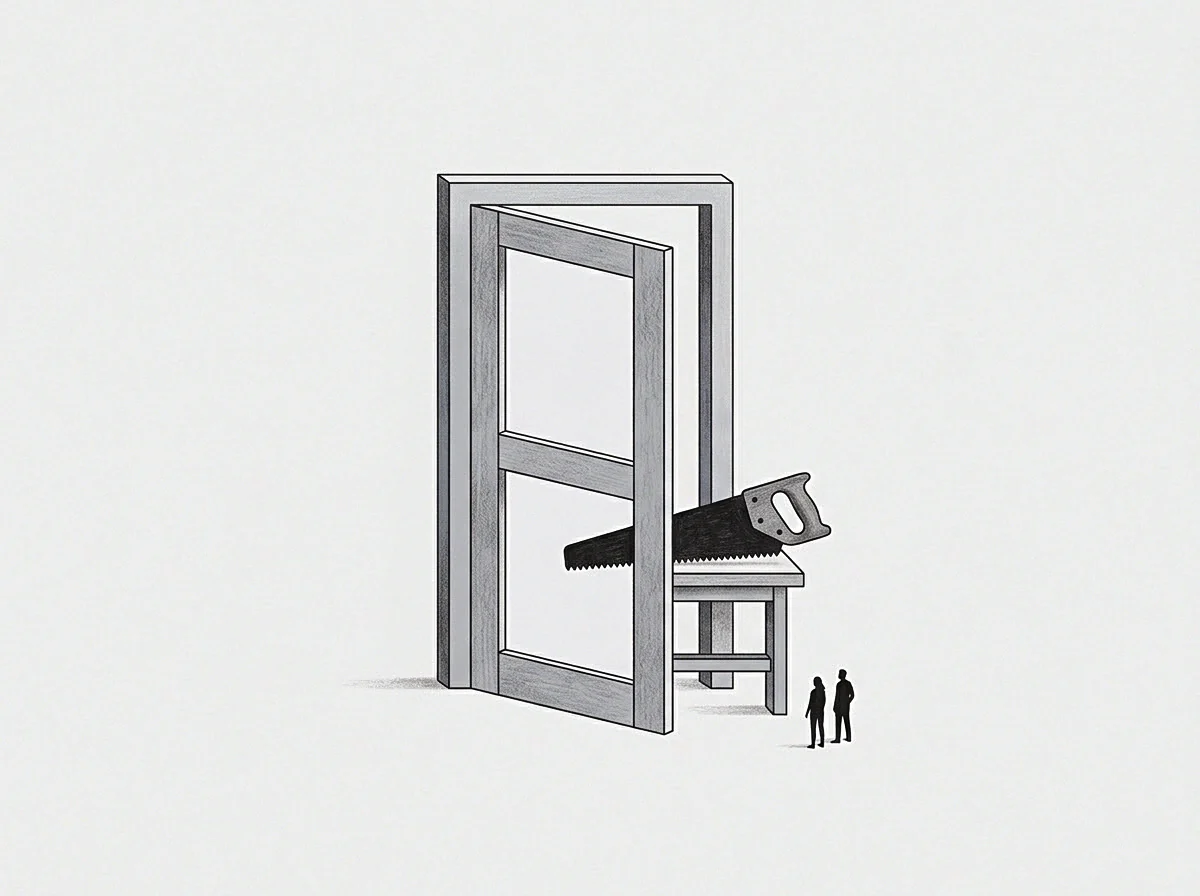
Isolation requires physical and logical barriers that document the complete lifecycle of every specification. The engineering director establishes audited networks where every transmission carries a cryptographic hash, a timestamp, and an explicit review log signed by legal counsel. Gatekeepers verify that the specifications describe bare functionality rather than the sequence, structure, and organization of the original text.
If a dirty room analyst includes an algorithmic idiosyncratic loop structure, the gatekeeper rejects the specification back to the analysis group for restatement as a pure mathematical requirement.
The wall functions as an evidentiary barrier rather than an absolute prophylactic against litigation. In contested scenarios, plaintiffs demand discovery into every communication channel between the two teams, deposing dirty room personnel to prove that architectural tips moved through unmonitored messaging channels or social exchanges. When the documentation breaks, courts collapse the distinction between the chambers, allowing the presumption of copying to infect the replacement asset.
When an unassigned contributor claims authorship, the evidentiary wall must defend against three specific categories of legal exposure:
- Literal Infringement claims dissolve when the implementation team proves lack of physical access to original textual files.
- Nonliteral Structural Infringement requires specifications stripped of distinct expressive sequences, variable namespaces, and arbitrary architectural conventions.
- Trade Secret Contamination demands proof that the specifications convey public functional requirements rather than proprietary, unpatented internal algorithms developed under non-disclosure obligations.
Logging every specification costs engineering time, legal oversight fees, and architectural simplicity. The implementation team moves at half its standard velocity while waiting for specification approvals, and deviations from specifications require formal change tickets evaluated by the gatekeeper before work proceeds. An enterprise that constructs this wall expends substantial balance-sheet liquidity solely to create an audit trail capable of surviving judicial cross-examination.
The enterprise presents the clean room wall as an evidentiary barrier, while contributors treat the protocol as a procedure designed to launder ideas conceived during unpaid nights.

Supply
Unassigned intellectual property accumulates during informal building phases when participants deliver engineering value without defining economic terms. In early technical environments, founders solicit assistance from peers, contractors, and former colleagues who supply crucial codebases under vague promises of future participation. This informal supply of labor operates outside statutory work-made-for-hire provisions, which require either an employment relationship under agency law or a signed written agreement designating specific categories of commissioned work.
When an external contributor commits software without a written assignment, the contributor retains federal copyright ownership under standard copyright regimes. The receiving enterprise receives an implied nonexclusive license to use the software within the scope contemplated at the time of delivery. An implied nonexclusive license permits the business to run the software internally, but it provides no exclusivity, permits no unilateral sublicensing, prevents no competitor from obtaining an identical license from the contributor, and creates zero statutory protection against downstream investor objections.
The Shift in Structural Exposure
The table below compares the legal exposure of operating software containing unassigned contributor commits against software replaced through a verified clean room rewrite.
| Risk Dimension | Original Unassigned Commits | Clean Room Rewritten Codebase |
|---|---|---|
| Copyright Chain of Title | Fragmented; contributor owns authored files outright | Unified; corporate entity holds complete work-made-for-hire title |
| Injunction Vulnerability | High; copyright owner can seek statutory remedies | Negligible; absence of access negates copyright claims |
| Implied Partnership Claims | High; direct labor integration supports joint venture assertions | Moderate; rewrite cuts ongoing reliance but leaves historical liability |
| Patent and Inventorship Rights | Exposed; contributor retains individual inventorship claims | Exposed; rewriting expression does not clear unassigned inventions |
| Third-Party M&A Audit Failure | Guaranteed escrow withholdings or indemnity requests | Resolvable upon submission of independent clean room audit records |
Carrying unassigned commits exposes the corporate entity to severe buyout terms the moment the enterprise approaches an initial public offering or institutional buyout. Institutional acquirers insist on clean warranties of title, demanding that target corporations demonstrate unbroken ownership across every software asset. A single missing assignment document grants the unassigned contributor asymmetrical negotiating leverage, as the target firm cannot close the transaction without obtaining a retroactive intellectual property assignment or proving that the asset has been completely excised.
A missing copyright assignment grants an informal contributor unilateral veto power over enterprise liquidity transactions.
The informal contributor who provided code without early compensation perceives the clean room rewrite as an aggressive attempt to confiscate accrued value. When the company initiates an isolation procedure, it signals that the contributor will receive neither retroactive equity nor an executive title for earlier efforts. This realization frequently prompts the contributor to file emergency motions for preliminary injunctions, claiming that the production servers currently run their exclusive intellectual property.
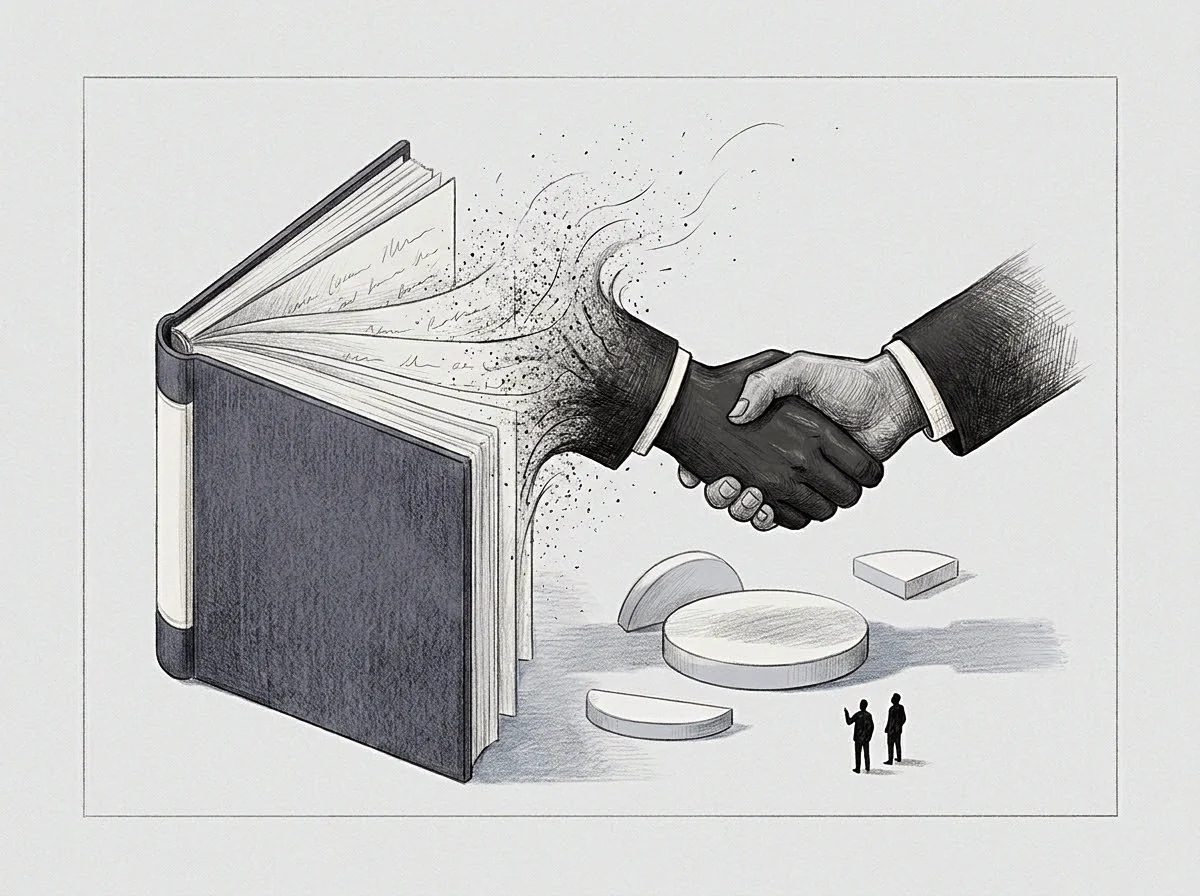
The formal execution of a clean room rewrite resolves the copyright chain of title for future code, yet it leaves historical exposure for prior distribution entirely intact.

Audit
A corporate rewrite requires systematic architectural audits to confirm that no residual expression survived the migration from the original repository to the clean implementation. Independent intellectual property auditors run forensic code comparisons between the dirty repository and the clean build, looking for shared variable definitions, identical function names, and mirror database schemas. Forensic analysis relies on deterministic string-matching and abstract syntax tree comparisons to detect structural overlaps.
The audit examines commit logs, pull requests, and internal issue trackers to ensure that none of the clean room developers accessed the dirty branch during the project duration. An auditor verifies that the dirty room team compiled specifications strictly from black-box behavior or permitted reverse engineering rather than decompiled proprietary binaries protected under strict technological protection measures. If the original engineer used unique algorithmic structures that appear verbatim in the replacement build, the audit fails, exposing the firm to claims of nonliteral structural copying.
Auditors categorize codebase dependencies to separate proprietary business logic from open-source libraries that entered the repository without clear licensing provenance. If an unassigned contributor incorporated copyleft open-source code alongside their original contributions, rewriting the contributor’s proprietary code does not cleanse the open-source contamination. The audit maps every software package back to its source license, isolating unassigned code from general open-source remediation pipelines.
A clean audit report establishes the evidentiary record required to close commercial financing rounds.
The documentation file compiled during the audit represents the primary asset delivered to prospective acquirers. Corporate transaction counsel inspects the chain of custody for every specification document, confirming that clean room personnel possessed zero commit history in the legacy codebase. When an enterprise can produce signed affidavits from both rooms alongside independent static analysis metrics demonstrating structural divergence, institutional transaction risk decreases to acceptable commercial tolerances.
The forensic audit closes the evidentiary loop on copyright, leaving corporate management to handle the commercial fallout of severed contributor relationships.
Toll
The operational toll of a clean room rewrite encompasses engineering capacity, institutional velocity, and commercial momentum. A team committed to rewriting an existing, fully functioning software module diverts hundreds of senior developer hours away from revenue-generating features. During the twelve to thirty-six weeks required to execute a rigorous clean room protocol, competitive roadmaps stall, customer support tickets accumulate around existing bugs, and technical debt compounds inside untouched areas of the platform.
The financial expenditure extends beyond internal engineering salaries. Retaining specialized intellectual property counsel to review specification documents on a bi-weekly cadence costs enterprise organizations between seventy-five thousand and three hundred thousand dollars per engagement. Forensic auditing services require additional capital outlays to run external code scans and assemble certified reports for third-party diligence.
Management teams spend critical working hours facilitating depositions, managing internal developer anxiety, and restructuring architectural ownership.
How Does Clean Room Remediation Affect Enterprise Valuation?
Capital partners discount corporate valuations during remediation cycles due to technical execution risk and unresolved litigation exposure. When an investor discovers an unassigned contributor during due diligence, the deal terms alter instantly to reflect the risk profile. Investors demand structural indemnification escrows, withhold significant percentages of purchase prices, or impose aggressive liquidation preferences to hedge against the possibility that the rewrite fails to survive judicial inspection.
Remediation strategies fail commercially when executive leadership miscalculates the relationship between legal safety and software complexity. Some organizations choose to rewrite critical data layers while leaving unassigned peripheral microservices in place, creating an inconsistent legal posture that invites aggressive litigation from the departed contributor. Complete excision of all unassigned code remains the only defensible position when an amicable buyout cannot be achieved under reasonable terms.
The structural trade-offs of code remediation enforce severe capital constraints across three non-negotiable operational axes:
- Engineering Opportunity Drain consumes between twenty and fifty percent of product capacity, preventing feature iterations that drive core top-line expansion.
- Commercial Due Diligence Delay halts venture rounds and mergers for three to nine months while external forensic auditors validate the clean separation of codebases.
- Direct Legal Expense Burden demands significant liquidity outlays for specialized protocol supervision, independent auditing, and specification review infrastructure.
The total capital deployed in an isolation procedure often exceeds the cash settlement demanded by the unassigned contributor during early separation negotiations. Enterprises choose the clean room path when the contributor sets terms outside valuation limits, refuses to negotiate terms, or claims ownership over fundamental architectural directions that would permanently compromise corporate independence.
The economic justification for a clean room rewrite ultimately depends on the strength of the contributor’s remaining unassigned patent and trade secret claims.