
Converting Early Unpaid Contributions Into Legally Binding Debt Instruments
Converting unpaid contributions into enforceable debt requires a mutual release of past wage claims as valid consideration for issuing structured notes.

Claim

Unbilled Hours and the Early Balance
Early corporate operations frequently rely on uncompensated effort. A contributor writes code, negotiates vendor agreements, or manages distribution channels without drawing a salary or submitting invoices. The arrangement functions initially because both sides assume equity or deferred cash will eventually cover the volume of work.
When the enterprise reaches formal incorporation or its first financing round, this ambiguity becomes an operational hazard. A participant who worked eighteen months without cash payment often treats those accrued hours as an absolute property right in the business.
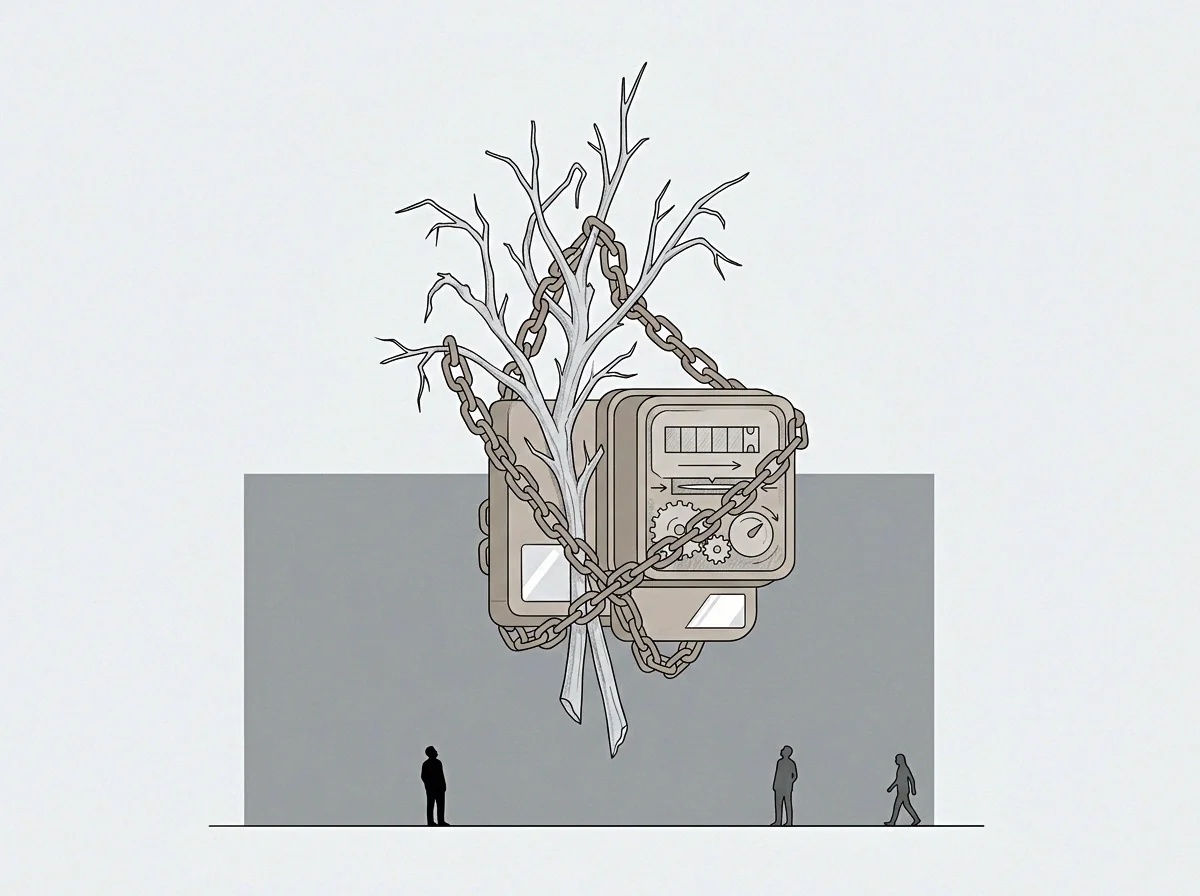
Unstated labour commitments convert into enterprise liabilities as soon as external capital evaluates the company.
Negotiation dynamics shift when informal arrangements meet formal governance. If the parties never recorded hourly rates, timesheets, or explicit deliverables, the entity carries an unquantified liability. State labour regulations and common-law doctrines generally treat performed work as compensable unless an explicit equity agreement or statutory volunteer exemption applies.
The contributor retains a potential wage claim, while the enterprise carries an undocumented obligation that can disrupt subsequent funding rounds.

Consideration and the Past Services Problem
Converting past activity into enforceable commercial paper introduces a distinct legal challenge. Under established contract doctrine, past consideration rarely supports a new promise to pay. If an operator worked without compensation between January and December, executing a promissory note the following January citing that prior work as consideration fails because the labour was expended without a prior agreement for repayment.
The instrument risks invalidation if challenged by bankruptcy trustees or dissenting shareholders.
Legal enforceability requires mutual consideration at the moment of execution. The contributor releases past wage claims, intellectual property assertions, and common-law remedies against the entity in exchange for the newly issued debt instrument. That waiver functions as fresh, legally binding consideration, providing the company with certainty regarding historical liabilities while granting the contributor a structured debt asset with enforceable collection rights.
The original work was performed under a mutual expectation that payment would follow once corporate revenues permitted disbursements.
Paper

How Unpaid Labour Converts to Promissory Paper?
Structuring the legal instrument requires terms that reflect commercial realities without triggering corporate insolvency. Promissory notes, convertible debt instruments, and formal deferred compensation agreements serve distinct operational functions, each altering the balance sheet differently.
A promissory note issued without an explicit release of prior claims leaves the underlying wage liability open to challenge.
- Promissory Notes establish fixed maturity dates, stated interest rates, and direct recourse against corporate assets upon maturity.
- Convertible Instruments defer cash settlement until a qualified equity financing round converts outstanding principal into shares.
- Deferred Compensation Agreements tie uncompensated historical milestones to explicit revenue thresholds or liquidity events.
The drafting process requires precise definitions of the principal sum, maturity dates, and acceleration terms. When calculating principal, the entity must avoid arbitrary figures; applying a documented market rate to logged hours creates a defensible valuation base. Adjusting that base with a reasonable discount or premium accounts for the financial risk the contributor assumed while the enterprise was uncapitalized.
Including a specific subordination clause prevents early default actions from blocking senior commercial bank facilities or venture debt lines.

Lien

Subordination and Security Rights
Debt instruments issued to early contributors occupy a complex position in the capital stack. Institutional investors and bank lenders routinely insist that internal debt rank behind third-party commercial obligations. If an early contributor holds a senior secured position, that holder retains the authority to foreclose on corporate intellectual property following a technical payment default.
Secured claims held by internal contributors prevent institutional lenders from advancing senior debt facilities.
Unsecured status leaves the contributor exposed during liquidation. To balance protection with investability, agreements often incorporate secondary collateral positions or contingent covenants. These terms keep the instrument junior to institutional debt while maintaining priority over common equity holders during a liquidity event.
- Priority Subordination requires institutional debt facilities to be repaid in full before any capital reaches contributor notes.
- Liquidity Acceleration mandates immediate settlement upon an acquisition, majority asset sale, or initial public offering.
- Negative Covenants prevent the entity from issuing additional junior debt without approval from major note holders.
Senior institutional lenders routinely require internal debt promises to accept subordinate ranking.

Tax

Fiscal Characterization and Exposure
Exchanging historical uncompensated work for commercial paper creates immediate tax consequences for both the issuing corporation and the recipient. Tax authorities scrutinize the origin of the obligation; if agencies reclassify the debt as deferred wages, the company faces immediate payroll withholding obligations, interest penalties, and reporting violations.
Original issue discount rules trigger when an instrument carries below-market interest or extends over multiple tax years, potentially subjecting the contributor to phantom income on accrued, unpaid interest. Conversely, if the enterprise cancels or discounts the debt during a restructuring, cancellation-of-debt rules trigger corporate tax liabilities unless specific statutory insolvency exemptions apply.
| Instrument Structure | Tax Timing Event | Creditor Risk Profile | Impact on Balance Sheet |
|---|---|---|---|
| Demand Promissory Note | Immediate upon issuance if treated as cash equivalent | High liquidity recourse, unsecured risk | Direct current liability |
| Subordinated Term Note | Accrual of interest and payment at maturity | Moderate exposure behind institutional lenders | Long term liability |
| Convertible Note with Valuation Cap | Deferred until qualified equity round conversion | High equity alignment, subordinate to all debt | Hybrid liability converting to equity |
Failing to document the conversion properly results in immediate corporate liability for unpaid employment taxes and substantial individual penalties for unreported ordinary income.

Room
Governance Realities and Board Alignment
Bringing internal debt to the board level transforms informal arrangements into enforceable fiduciary constraints. Directors carry legal duties to manage corporate solvency and balance competing creditor interests, so when early contributors hold formal debt notes, board decisions regarding dividends, equity financing, or additional debt touch those instruments directly.
A converted debt instrument functions as a formal restraint on board discretion until the obligation reaches full maturity or conversion.
Enterprise leadership maintains operational stability by ensuring that informal promises are replaced with audited instruments that establish exact repayment schedules and monthly interest accrual.
The practical question remains how many historical promises an early enterprise can formalize into debt before the cumulative obligation deters future equity investors.