
Deferred Compensation Note Structure and Unsecured General Creditor Priority
Unsecured deferred compensation notes surrender statutory employee wage priority, placing unpaid earnings in the lowest-ranking general corporate creditor tier.

Pool
A founder who foregoes three hundred thousand dollars of contractual salary for an unsecured promissory note usually assumes the move protects company cash while preserving a claim on enterprise value. On the balance sheet, the business books the waiver as a liability reduction and logs a delayed promise to pay. That note carries no lien on accounts, physical equipment, or inventory.
An immediate cash obligation is simply swapped for an unsecured promise down the road.
In insolvency, liabilities fall into separated recovery classes. Notes drawn up for accrued compensation land in the general unsecured pool, right beside vendor bills, broken leases, and rejected service contracts. Federal bankruptcy law does grant statutory priority to unpaid wages earned within one hundred eighty days before a filing, but caps that protection at fifteen thousand one hundred fifty dollars per person under title eleven section five hundred seven of the United States Code.
Executing a promissory note to defer back pay steps clean outside that wage window. The paper turns what was once labor into ordinary contractual debt.
A promissory note covering deferred wages trades away statutory wage priority for an unsecured contractual promise.
Converting unpaid labor into paper debt changes the operator’s position in the company. Rather than an employee expecting regular pay, the executive ends up underwriting operating overhead without any downside hedge. The company uses that unbilled time to fund ongoing operations, reserving equity gains for cash-contributing owners.
While the informal expectation is that the note gets settled when the venture succeeds, the law treats it as a residual claim sitting behind bank credit lines and administrative costs.
Every dollar of deferred salary kept on the balance sheet works like an uncollateralized loan to the business. The operator extends credit without any of the terms an institutional lender requires up front. A commercial lender files a blanket lien over company property and writes strict covenants into the facility.
A founder taking a compensation note usually gets a bare signature on legal paper. Without explicit collateral, the holder sits in line behind every secured creditor.
This shifts operating risk directly onto the executive’s household. It is easy to treat deferred compensation as earned wealth parked safely until an exit, but the bankruptcy process treats it as working capital float. If revenue drops and credit lines tighten, senior lenders seize and liquidate pledged assets to cover what they are owed.
The compensation note is left on an unpaid schedule, worth something only if cash remains after senior debt is cleared.
The holder might see ninety cents on the dollar if the company prospers, and zero cents if it stumbles.

Tier
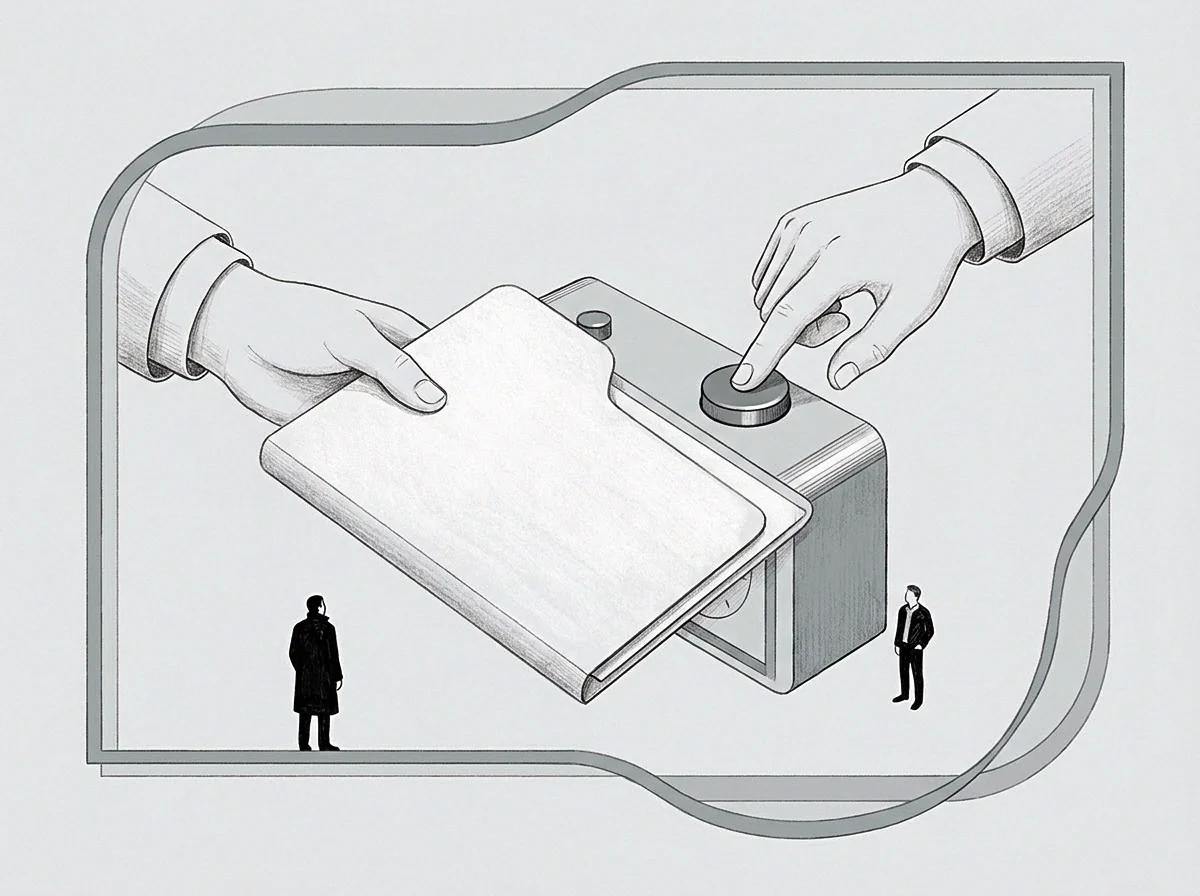
Structural Placement in the Liquidation Order
The bankruptcy code enforces an absolute priority sequence for distributing assets. Secured claims come first, tied directly to collateral through perfected liens. Administrative expenses rank second, covering legal, accounting, and operational costs incurred during restructuring or liquidation.
Third in line are specific priority claims, such as tax debts and limited wage claims that meet statutory windows. General unsecured obligations make up the fourth tier, covering everything that lacks collateral or special statutory status.
Notes covering deferred pay fall squarely into that fourth tier. Company lawyers often draft them with stated interest rates and fixed maturity dates, making them resemble institutional debt, but the formatting does not change their priority. An unsecured claim collects nothing until every dollar of secured debt, administrative expense, and priority tax liability is satisfied.
For middle-market liquidations, fourth-tier recoveries regularly come in below five percent.
A senior security interest absorbs remaining assets long before an unsecured creditor receives a distribution notice.
Priority rules dictate the outcome of distressed negotiations. When private equity or workout lenders put capital into a struggling firm, they negotiate for senior liens, super-priority administrative status, or warrants. An uncollateralized note holder has no leverage to prevent management from encumbering assets.
The board can pledge receivables, equipment, and intellectual property to new lenders, diluting the general recovery pool without asking the note holder for permission.

Comparative Rights Across Corporate Claim Categories
Different types of capital carry very different rights in liquidation. Comparing those tiers shows why unsecured notes sit in such an exposed position.
| Claim Classification | Collateral Attachment | Priority Rank Under Title Eleven | Voting and Blocking Leverage | Typical Liquidation Recovery Range |
|---|---|---|---|---|
| Senior Secured Revolver | Perfected lien on all cash and accounts | First priority ahead of unsecured debt | Controls asset sale process and debtor financing | Eighty to one hundred percent |
| Statutory Wage Claim | None attached to underlying property | Section 507 priority up to statutory cap | Separate priority ballot class in reorganization | Forty to eighty percent |
| Deferred Compensation Note | None attached unless explicitly pledged | General unsecured non-priority tier | Diluted within general unsecured creditor committee | Zero to ten percent |
| Subordinated Mezzanine Debt | Contractual junior claim or second lien | Contractually junior to bank facilities | Negotiated intercreditor voting covenants | Five to twenty percent |
| Common Equity Interest | Residual property rights only | Subordinate to every contractual obligation | No voting influence absent balance sheet solvency | Zero percent |
The compression at the bottom is steep. An executive holding a four-hundred-thousand-dollar promissory note stands in the exact same recovery position as an office supply vendor owed twenty thousand dollars on an unpaid invoice. Both claims sit pooled in the general unsecured class, prorated against whatever scrap of cash is left over after secured lenders walk away.
Years of unpaid work yield no procedural advantage over standard trade payables.
By accepting an uncollateralized note, an employee surrenders wage protections without picking up the rights an institutional lender enjoys. The document may look like bank debt on paper, but that appearance is cosmetic. It remains a residual claim open to every prior lien, vulnerable to whatever operational slide the business experiences.
The unsecured pool settles for pennies once senior lenders finish recovering their collateral.
Floor

The Boundary Between Salary and Debt
State labor laws are built to force timely payment for work performed, backing payroll rules with civil penalties, attorney fee awards, and personal liability for officers. In many jurisdictions, an employee whose wages go unpaid can file directly against corporate officers individually. That personal liability provides an effective collection floor.
Signing a deferred compensation note frequently strips that floor away. Defense attorneys routinely argue that executing a negotiated loan instrument novates the wage claim into an ordinary commercial obligation. That novation swaps statutory labor protections for basic contract remedies.
If the company defaults, the individual cannot turn to state labor regulators to pursue corporate officers; the only recourse is a breach of contract lawsuit against a business with an empty bank account.
Novating earned pay into a promissory note waives personal director liability under state wage enforcement acts.
This transition requires written agreement. The executive signs a document confirming that accrued pay is satisfied by the issuance of the note. The signing often gets framed as a routine formality to clean up corporate books ahead of an investment round.
In practice, the signer trades away personal statutory leverage for an unsecured promise on company stationery.

Contractual Terms That Limit Recovery Exposure
Without specific contractual terms, a deferred pay note ends up entirely subordinated in a wind-down. An operator negotiating a deferral agreement can preserve leverage through several clear mechanisms:
- Security interest perfection creates an immediate commercial lien on identifiable company assets through a recorded uniform commercial code financing statement, establishing secured status ahead of trade creditors.
- Personal officer guaranties retain individual balance sheet accountability from controlling majority shareholders if corporate treasury accounts default on note maturities.
- Springing acceleration triggers demand instantaneous cash settlement of all principal balances upon the closing of outside equity rounds, senior debt refinancings, or corporate ownership transfers.
- Negative pledge covenants prevent the company from encumbering unpledged intellectual property or enterprise assets without written consent from the note holder.
Terms like these turn a vague document into an actual commercial instrument. Without them, the promissory note simply shelters the business. The company holds onto cash to lengthen its operating runway, leaving the executive to shoulder default risk without compensation.
Boards often regard the deferral as informal bridge financing, while the operator counts the face value as earned savings.
Without explicit collateral attachment, the claim sits defenseless among general liabilities. That reality usually surfaces during an emergency board meeting convened to review restructuring options. New capital requires the total cancellation or steep discounting of compensation notes, and the uncollateralized holder lacks the legal standing to challenge the haircut.
Without a perfected lien, a compensation note is merely an acknowledgement of debt on company letterhead.

Trap

The Taxation of Phantom Assets
Section four hundred nine A of the Internal Revenue Code regulates when nonqualified deferred compensation must be recognized as income. It sets strict rules on deferral elections and payout schedules; fail to follow them, and the deferred amounts trigger immediate taxation even though no cash changed hands. On top of standard income tax rates, the statute levies a twenty percent federal penalty plus interest charges.
Constructive receipt rules create another risk. If the IRS finds that the executive had the authority to take the money before deferring it, the entire amount is taxed in the year it originally accrued. The individual owes income tax on money that remains locked in the company’s accounts, forced to draw on personal savings to pay taxes on corporate debt that may never be settled.
The company reports the note as an accrued liability on its own returns, taking deductions only when cash actually changes hands. That timing difference between company deductions and individual tax liability frequently causes trouble during audits. If the venture collapses, the executive often tries to claim an ordinary business bad debt deduction under section one hundred sixty-six.
The tax code restricts that deduction to loans directly tied to a trade or business, and revenue agents frequently reclassify deferred salary loans as non-business bad debts, capped by strict short-term capital loss rules.

Does an Unsecured Note Survive Balance Sheet Insolvency?
Whether a note holds any real value depends on corporate solvency. A business with liabilities exceeding its assets cannot pay out general unsecured paper. When cash runs short and balance sheets need restructuring, unpaid compensation notes become primary targets for conversion or cancellation.
- Management identifies an unsustainable debt load that blocks incoming Series A or Series B equity rounds.
- Incoming financiers demand clean enterprise capitalization, requiring the cancellation or subordination of prior executive notes.
- The board votes to convert the compensation notes into common stock units set at an arbitrary pre-money valuation.
- The executive receives diluted common shares carrying liquidation preferences junior to all preferred stock.
- The original promissory note is cancelled, extinguishing any remaining claim to cash repayment.
That sequence illustrates how fragile unsecured paper really is. An operator who assumed the note functioned like senior debt finds out that investors view it as common equity float. Forcing a liquidation to recover the debt requires filing an involuntary bankruptcy petition alongside other creditors, an effort carrying steep legal expenses.
The note remains at the mercy of the venture it was meant to sustain.
Relying on future profitability to settle the balance ignores how growth capital works. Reaching profitable operations usually takes multiple dilutive funding rounds that clear legacy debt off the cap table. The note merely postpones difficult compensation conversations while extracting uncompensated work from leadership.
The operator absorbs the full downside of company failure without any of the legal standing of a commercial lender.
The company retains the cash, tax authorities assess the unpaid paper, and the operator ends up holding common equity that pays out only if something remains after everyone else is satisfied.
Cost
The drain on energy, personal capacity, and career momentum from holding unsecured notes accumulates over successive operating cycles. Executives often plan personal finances, from mortgages to tuition, around the assumption that hundreds of thousands of dollars in deferred pay remain intact on the corporate books. Discovering that the note is practically uncollectible in a restructuring exposes the household to direct financial dislocation.
Holding that paper also clouds professional judgment. An operator with a six-figure unsecured note cannot walk away from a struggling venture without writing off the accrued balance. The debt turns into a retention device, tying key personnel to a deteriorating balance sheet.
To protect the uncollateralized balance, the executive puts in more hours and tolerates declining governance, spending attention and labor on debt that cannot be recovered.
Unsecured compensation debt anchors experienced operators to insolvent companies long after economic viability has faded.
This pressure explains why so few operators ask for security interests or formal liens. Demanding collateral, whether a lien on equipment or a filing against source code, can be viewed by co-founders and investors as a lack of commitment. Early-stage company culture tends to treat legal protection as distrust.
As a result, executives take on unhedged exposure to demonstrate commitment, mistaking personal alignment for legal protection.
Anyone providing services under these terms should price the arrangement like an unrated junk bond. When a business cannot secure loans from commercial banks or revenue-based financing providers, it lacks creditworthiness. Taking an unsecured note turns the executive into a subprime lender to their own employer, with nominal interest rates that fail to reflect the ninety-percent default rates common to early-stage turnarounds.
An operator negotiating a compensation deferral requires protective legal mechanisms: escrowed cash, perfected security filings, or equity grants with immediate acceleration terms. An uncollateralized promissory note is an unfavorable compromise. It surrenders the personal enforcement mechanisms of state wage statutes while taking on the lowest priority tier in corporate bankruptcy.
An operator can spend three years defending a deferred balance that a bankruptcy proceeding discharges in twenty minutes.