
Resolving Unpriced Intellectual Property Contributions From Early Product Helpers
Resolving unpriced intellectual property contributions requires executing retroactive assignment and release agreements supported by valid consideration.

Stock
Early software builds, wireframes, and system sketches often start outside any formal agreement. A friend looks over a prototype on a Saturday, a former colleague drafts a schema during an evening call, or a domain specialist writes an algorithmic formula without sending an invoice. The enterprise gets functional assets while the contributor assumes some form of future return.
Informal assistance leaves a company running on unpriced intellectual property owned by people who never signed an assignment of inventions. Under copyright law in most common-law jurisdictions, the author of an expressive work keeps initial title unless there is a signed written transfer or an employment relationship. An informal helper still owns the code or design documents they wrote.
Unwritten technical collaboration generates legal co-ownership long before commercial revenue exists.
Contributors rarely think about their early work as corporate property. The initial phase is informal and runs on shared interest instead of commercial terms. A contributor provides code, labor, or architecture to help an early project, assuming the founders will resolve compensation once funding closes.
The founder assumes the work was simply a favor or casual advice.
- Direct software authorship includes standalone modules, API wrappers, or core backend scripts written by external helpers without signed consulting agreements.
- Proprietary workflow diagrams encompass detailed database architectures, user interface assets, and system mockups rendered by third parties.
- Algorithmic specifications involve domain mathematical models, proprietary formulas, or technical methods translated into application logic by unpaid specialists.
Silence on compensation creates an accumulating liability on the cap table. As the company builds value on unassigned assets, the author’s legal leverage grows. What started as a casual favor becomes a title defect during later financing rounds or acquisitions.
Unresolved ownership clouds title, forcing retroactive renegotiations when institutional investors demand a clear chain of intellectual property custody.

Count
Informal collaboration runs without defined terms until a financing event forces an assessment. The helper remembers the hours, technical breakthroughs, and introductions provided during the first months. The founding team counts the hundreds of hours spent stabilizing, rewriting, and commercializing that early material.
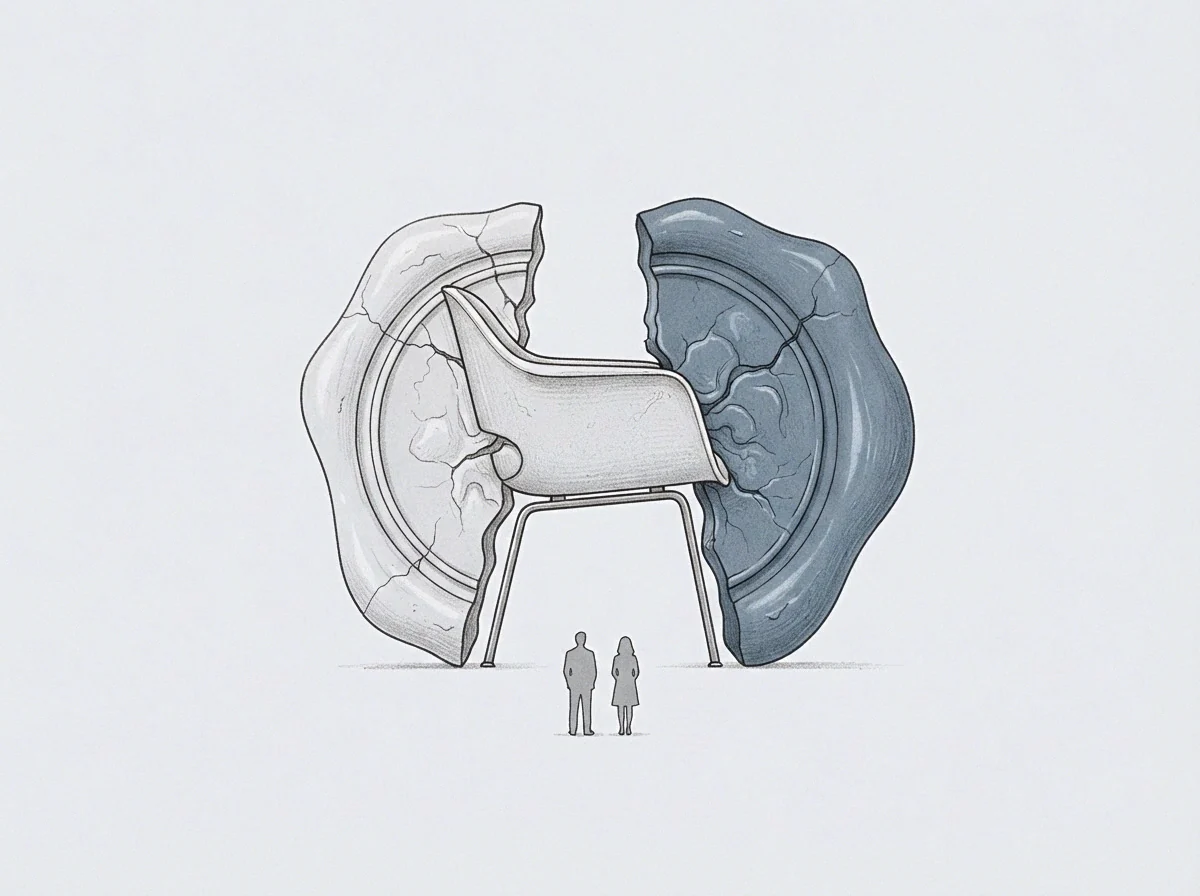
Can Informal Contributions Force Joint Ownership?
Copyright statutes define a joint work as a work prepared by two or more authors with the intention that their contributions be merged into inseparable or interdependent parts of a unitary whole. When an early collaborator contributes copyrightable code directly to the repository with mutual intent to build a product, that collaborator becomes an undivided joint owner of the entire work. Joint authors possess the independent right to license the work to third parties without the consent of co-authors, subject only to an accounting of royalties.
- Informal contribution acceptance occurs when founders integrate external code or technical designs without documenting transfer terms.
- Subsequent enterprise dependency develops as core system architectures are built directly upon the unassigned early contributions.
- Commercial realization event triggers contributor recognition of enterprise value, transforming latent social expectations into explicit legal demands.
Perceptions of the work diverge over time. Founders recall the early contribution as a rough draft that required complete replacement. The contributor remembers it as the foundation without which the venture could not exist.
Contributions made without stated prices are billed at the highest future valuation.
This gap widens with each financing milestone. The helper reads announcements detailing round valuations and weighs that headline figure against uncompensated work done when the business was merely an idea. The friction reflects conflicting estimates of early risk and value creation.
The early helper anticipated an ongoing equity interest in exchange for the unpaid hours committed at the beginning.

Toll
Resolving historical claims requires matching specific legal instruments to the contributor’s actual leverage and expectations. Equity grants, cash buyouts, and quitclaims carry distinct economic and tax consequences.
| Instrument | Legal Effect | Financial Impact | Execution Complexity |
|---|---|---|---|
| Retroactive Assignment with Cash Consideration | Full, irreversible assignment of all past and future rights in defined IP assets. | Immediate cash outflow; fully satisfies copyright assignment consideration requirements. | Low; single standalone agreement with comprehensive release of claims. |
| Advisor Common Stock Grant | Transfers IP while aligning helper with future equity appreciation via standard vesting. | Dilutes capitalization table; may create taxable income event for contributor if unvested. | Moderate; requires board consent, 83(b) election filings, and cap table management. |
| Perpetual Non-Exclusive License | Company retains right to use asset; contributor retains underlying copyright ownership. | Zero dilution; potential liability if helper licenses asset to direct market competitors. | High; creates persistent investor diligence concerns regarding core asset ownership. |
Cash provides immediate finality. A formal Intellectual Property Assignment and General Release Agreement identifies the past contributions, provides clear monetary consideration, and explicitly waives all past, present, and future claims of authorship or equity entitlement. This path closes out the informal arrangement completely.
Equity solutions preserve cash reserves during early stages. Granting restricted stock or advisory options ties historical effort to long-term alignment. Equity grants require strict vesting conditions, intellectual property assignment warranties, and explicit non-disparagement covenants.
A grant made without a complete release of prior claims fails to cure the underlying title defect.
Definitive contracts convert unquantified social obligations into fixed commercial settlements.
Choosing between equity and cash depends on how central the contribution remains. Replaceable components warrant a cash payment pegged to standard contractor rates. Foundational intellectual property that cannot be removed without rebuilding the product justifies an equity grant paired with a comprehensive assignment.
A clean assignment executed today prevents recurring renegotiation later.

Lock
Securing clean legal title requires formal agreements executed before institutional investors conduct due diligence. Remediating chain of custody issues in the middle of a funding round weakens the company’s negotiating posture and introduces closing risk.

Drafting the Remediation Covenant
The resolution agreement requires three primary operational components to withstand formal scrutiny. The instrument includes a present-tense assignment of all past, present, and future intellectual property rights created for or related to the enterprise. It incorporates an explicit quitclaim provision surrendering any assertion of ownership in the company’s products, trademarks, trade secrets, and patents.
The agreement provides an absolute release of claims. This clause releases the company, its officers, directors, and investors from all liabilities arising prior to the effective date, encompassing unpaid wages, joint authorship assertions, and promised equity splits.
The contract provides an explicit assignment clause transferring every copyright, trade secret, and invention to the company in exchange for specified consideration, extinguishing all competing ownership claims.