
Dynamic Capitalization Mechanisms For Operational Recalibration In Joint Corporate Alliances
Dynamic capitalization recalibrates alliance ownership through automated equity formulas that convert verified operational contributions into ownership shifts.

Anchor
Two corporate partners sign an alliance pact allocating equal fifty percent stakes based on projected contributions. The contract specifies upfront cash deposits, shared office infrastructure, and equal board representation. Operational realities diverge within sixty days of closing.
One corporate partner deploys three senior software architects who log eighty hours weekly on codebase integration. The second corporate partner sends a mid-level liaison who attends bi-weekly status updates without committing engineering assets. The fixed capitalization table remains frozen while operational realities diverge.
Equity distribution reflects the day of negotiation rather than the daily run rate of execution.
Corporate ventures frequently falter under static equity allocations. When enterprise alliances form, initial equity splits reward projected resources rather than delivered operational output. A partner providing brand licensing or legacy distribution channels receives equity upfront.
The collaborating entity, providing continuous systems engineering or manufacturing capacity, carries the recurring labor expense. Static capitalization structures fail to adapt to these shifts. The discrepancy creates operational friction.
The partner carrying unexpected operational volume begins to view the alliance as an uncompensated transfer of enterprise value. Capital allocations stay pinned to historical assumptions.
Floating equity structures tie ownership directly to realized operational contributions when capital inputs diverge.
The gap between initial promise and operational execution expands over quarters. Alliance participants frequently rely on generalized reciprocity, assuming informal goodwill compensates for uneven work distributions. The unprompted delivery of technical labor resembles a gift during early formation stages.
The providing firm anticipates future balance without demanding formal contract renegotiation. As production schedules tighten, unquantified contributions convert into unstated grievances. Resentment accumulates quietly across the alliance.
Formal venture agreements rarely contain mechanisms to recalculate equity distributions based on operational output. The corporate entity bearing the engineering burden eventually restricts technical access or reallocates talent to proprietary projects. Operational velocity decelerates.
The alliance preserves its formal ownership split on legal paper while its commercial efficacy disintegrates. Initial ownership distributions demand structural anchors that yield to verified operational delivery.
We agreed to a fifty-fifty division at the signing table, and altering the register now breaks our original mutual understanding.

Ratio
Alliance partners quantify capital inputs through strict accounting categories. Financial contributions enter the balance sheet with cardinal precision, whereas operational labor, specialized machinery utilization, and proprietary distribution access carry variable valuations. Allocating ownership equity requires establishing a standardized baseline ratio between cash and non-cash inputs.
Contribution Slicing and Realized Hours
Work logs document direct technical labor alongside physical resource allocations. Without an objective calibration index, alliance partners dispute the comparative worth of raw capital reserves against operational output. Non-cash contributions slip into contested terrain.
One partner values market access at ten million dollars based on historic marketing expenditures. The operating partner calculates the functional engineering hours required to adapt products for that market at identical cost. Fixed equity capitalization models cannot reconcile these opposing assessments over long operating cycles.
Operational recalibration models resolve this valuation impasse by implementing dynamic equity slicing. Under this mechanism, equity percentages float during early developmental stages. The alliance agreement defines specific conversion multipliers for different categories of investment:
- Cash input multipliers reward actual capital transfers at double face value to account for acute liquidity risks during venture formation.
- Sweat equity indices translate verified operational labor hours into capitalization credits based on market replacement salaries.
- Asset access valuation establishes non-dilutive royalties for commercial facilities, intellectual property licensing, and specialized manufacturing machinery.
This dynamic adjustment schedule operates on rolling calculation cycles. Every calendar quarter, the alliance governance committee reviews logged contributions against pre-established milestones. Equity balances shift mathematically based on verified contributions during that window.
The partner injecting surplus operational labor accrues increased capitalization credits. The passive partner experiences proportional dilution without triggering breach of contract claims. Capital tracks real labor.
Dilution reflects operational withdrawal.
The value of operational contribution diminishes in the memory of the partner who did not perform it.
Recalibration calculations maintain internal operational parity. When a corporate entity reduces assigned personnel, its equity growth rate slows automatically. The alliance absorbs functional changes without renegotiating foundational agreements.
The floating formula protects both entities from speculative posturing.
Ownership adjustments follow realized investment ratios rather than initial executive intentions.

Valve
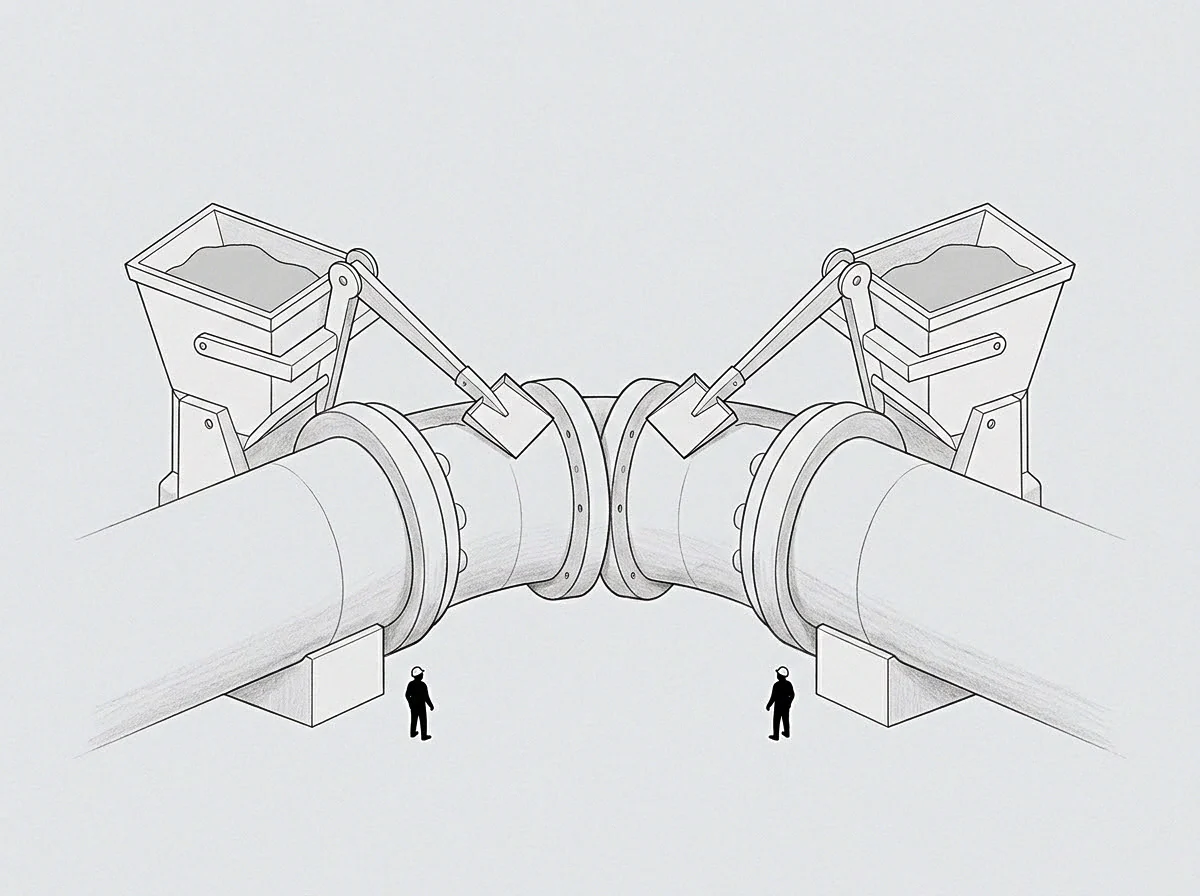
Adjustment mechanisms regulate equity redistributions upon predetermined operational triggers. These contractual valves convert operational performance anomalies into equity recalibrations without requiring alliance termination. When performance deviations exceed established tolerances, dynamic clauses recalibrate cap tables automatically.

When Do Capital Adjustments Override Contract Terms?
Formal agreements establish recalculation schedules tied directly to verified operational output. A structural recalibration valve relies on three core operational metrics: committed engineering hours, delivered technological assets, and verified financial distributions. If an alliance member fails to provide committed technical assets for two consecutive quarters, the recalibration clause dilutes that member’s equity proportion while crediting the performing entity.
| Governance Dimension | Static Capitalization Model | Dynamic Recalibration Valve |
|---|---|---|
| Equity Adjustment Trigger | Formal contract renegotiation requiring unanimous partner consent | Quarterly milestone variance exceeding defined operating thresholds |
| Non-Cash Valuation | Fixed pre-money valuation negotiated at alliance inception | Market rate hourly labor conversion with operational multipliers |
| Dilution Vulnerability | Zero dilution regardless of operational withdrawal or delays | Proportional dilution calibrated to deficient resource allocation |
| Dispute Probability | Elevated post-formation conflict during operational divergence | Mitigated conflict through formulaic contractual adjustment |
Static ownership arrangements generate organizational paralysis when execution splits from initial projections. The operational partner bears escalating overhead without capital recovery. In contrast, dynamic recalibration valves enforce contractual consequences silently through programmatic equity reallocation.
Equity adjustments act as mechanical stabilizers. Parity dissolves within six months when ownership remains detached from real overhead.
If a partner fails to deliver agreed operational capacity across two consecutive quarters, the floating equity pool dilutes their position by fifteen percent.
The implementation of mechanical valves separates emotional negotiations from structural capitalization. Alliance managers assess output against unambiguous contractual standards. Formal records govern ownership shifts.
Each partner understands the capital consequences of operational withdrawal before execution delays occur.
The adjustment clause enforces a two-for-one dilution ratio on missing operational commitments, transferring corresponding equity shares directly to the partner executing compensatory labor.
Strain
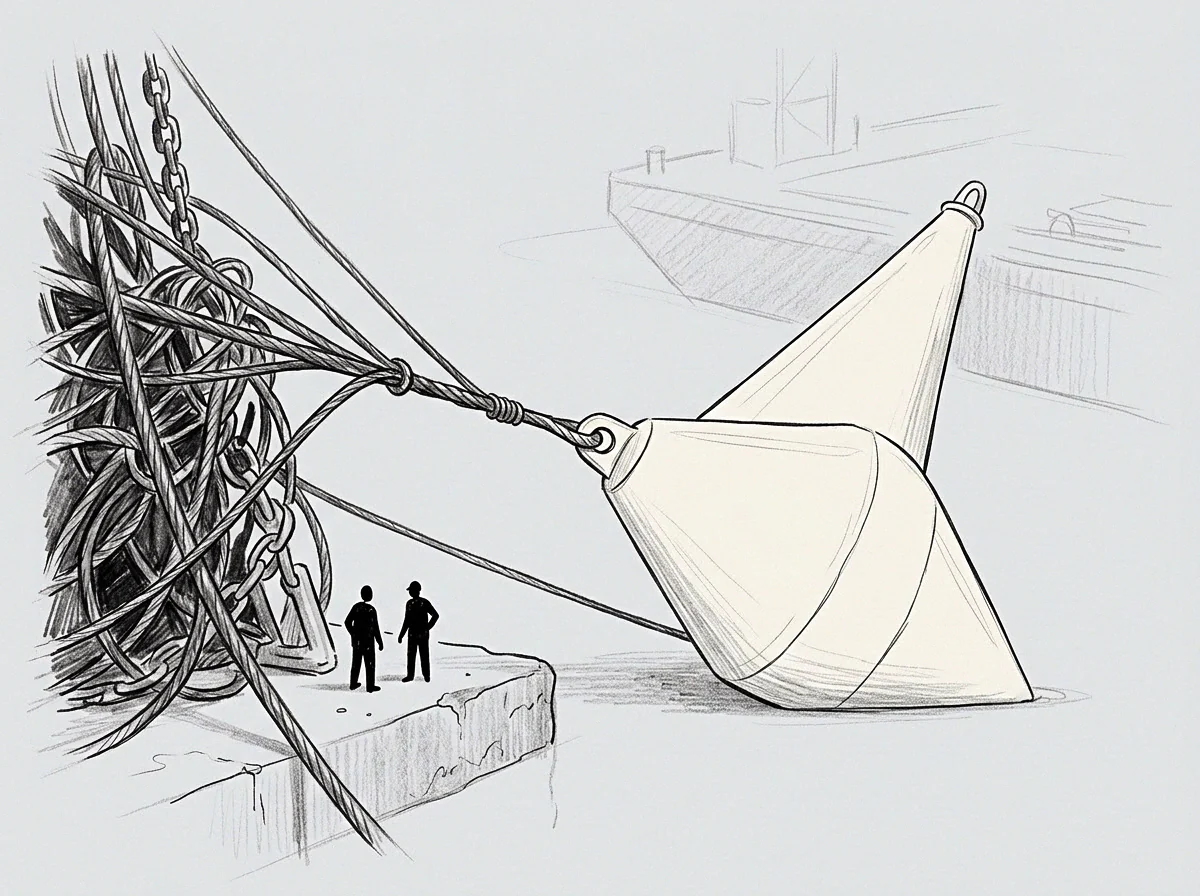
Asymmetry between stated commitments and daily execution erodes commercial alliances. Contractual agreements govern explicit capital terms, but operational alliances operate largely on unwritten working norms. When unexpected technical obstacles arise, one partner routinely contributes surplus personnel and unbudgeted computational capacity to preserve project momentum.
This response initiates commercial strain.

Unstated Expectations and Retrospective Billing
One partner provides unprompted engineering hours to prevent product delays. The contributing team interprets this intervention as a corporate favor that demands reciprocal support in future quarters. The recipient enterprise views the unprompted assistance as a necessary operational intervention already covered by existing alliance equity.
No written record clarifies the terms of the delivery. The gift arrives without terms.
This dynamic illustrates the hazard of covert contractual billing. The giving entity keeps an internal count of uncompensated operational contributions. Months later, during formal product release reviews, the providing firm demands unexpected commercial concessions, citing historical operational support.
The counterparty rejects the retrospective claim. Conflict escalates rapidly.
- Unprompted technical assistance arrives to address an immediate operational bottleneck without accompanying commercial documentation.
- Asymmetric internal accounting develops as the delivering firm logs mental liabilities while the receiving partner considers the matter closed.
- Retrospective value assertion occurs when the delivering firm demands equity recalibration or commercial licensing rights during subsequent strategic votes.
- Governance fragmentation destabilizes the alliance as mutual trust dissolves into contractual litigation.
Cash reserves ran thin. Operational teams disengage when unacknowledged contributions turn into administrative arguments. In software engineering collaborations, unstated technical debt operates identically to relational strain.
Left unmeasured, operational disparity degrades working cohesion.
Alliance managers convert unprompted interventions into formal capitalization events immediately upon delivery. Logging operational contributions into variable capitalization schedules prevents covert scorekeeping. Clarified boundaries preserve collaborative operational capacity.
Unaddressed operational asymmetries compound into formal alliance dissolution, destroying shared commercial assets and leaving both corporations with substantial unrecoverable legal and engineering expenditures.

Beam
Structural permanence in alliance governance depends on balancing formal capital adjustments with operational trust. A corporate partnership cannot withstand continuous equity renegotiations that threaten baseline enterprise security. Fixed structural beams anchor core ownership rights while secondary equity pools absorb operational fluctuations.

Longitudinal Recalibration and Alliance Exit
Corporate ventures face natural dissolution points when operating models outgrow original equity caps. Dynamic capitalization mechanisms provide an orderly path for operational recalibration, equity buyouts, or asset spinning. By maintaining transparent operational ledgers from venture inception, alliance participants eliminate ambiguity surrounding historical contributions.
The alliance demands exact ledgers. Traditional alliances often disintegrate into contested litigation over asset provenance and unpaid sweat equity. Floating capitalization structures record every injected asset, labor unit, and cash advance on an objective equity register.
If the alliance dissolves, liquidation distributions follow verified cumulative contributions rather than arbitrary founding claims.
Alliance stability requires separating emotional perceptions of fairness from documented mathematical adjustments of enterprise equity.
Venture operators protect their corporate balance sheets by establishing strict recalibration limits. Foundational equity remains protected within predefined bands, preventing sudden hostile ownership transfers. Floating pools recalibrate operational rewards without compromising governance stability.
The mechanism maintains organizational balance across volatile market conditions.
Can variable equity capitalization models preserve operational goodwill when market shocks invalidate initial resource valuations entirely?