
Early Founder Board Retention After Chief Executive Resignation
Founders retaining board seats after resigning as chief executive alter governance by converting past unquantified contributions into implicit relational debt.

Exodus
A chief executive who resigns from operational management while retaining a directorship alters the governance balance of the enterprise. The seat at the table remains occupied, but the daily authority passes to an incoming successor. Operational control ends.
The physical transition happens in a afternoon, yet the relational exchange between the board, the outgoing founder, and the new leader unfolds over quarters.
Generalized reciprocity between early builders relies on implicit trust and shared labor without immediate accounting. When a founder led the organization, unprompted giving, such as weekend strategic work, uncompensated risk taking, and personal capital guarantees, functioned as investments in a collective enterprise. Following a resignation from executive duties, that channel closes.
The retained director no longer drives daily execution, yet the memory of past unquantified contributions remains intact. This imbalance frequently creates an implicit demand for continued influence.
The arrival of a professional chief executive introduces balanced reciprocity into the organization. The incoming leader operates under an employment agreement, formal key performance indicators, and structured compensation schedules. When the former executive stays on as a director, two incompatible exchange models meet in the same room.
The new leader expects formal evaluation based on explicit terms. The outgoing founder often expects informal deference based on historical sacrifice.
Unprompted contributions made during company formation convert into governance friction when an outgoing leader retains a voting seat without defining the new operational distance.
Governance friction accumulates when the board treats director retention as an unpriced courtesy. Investor directors often grant a retained seat to avoid confronting an outgoing founder during a tense transition. The courtesy appears costless in the month of departure.
Over time, the presence of the original builder distorts boardroom deliberation, as new management hesitates to challenge historical choices in front of their architect.
Authority shifts rapidly. When a former leader retains a directorship without explicit limits, the company incurs ongoing operational friction and delayed executive authority.

Floor
Fiduciary responsibilities bind every member of a governing body equally, regardless of historical equity contributions. A retained founder sitting as a director owes the same duty of loyalty and care to shareholders as an independent director. Yet the structural realities of equity ownership distort this equity of duty.
A founder holding thirty percent of common stock carries different incentives than an independent director holding zero equity interest.

Structural Boundaries of Governance Rights
Board architecture dictates how retained founders interact with new management. The specific rights granted to a former chief executive determine whether their presence stabilizes or paralyzes the enterprise. The table below outlines three primary retention structures evaluated across key operational and relational metrics.
| Retention Structure | Fiduciary Exposure | Information Rights | New Executive Autonomy | Relational Reciprocity Burden |
|---|---|---|---|---|
| Non-Executive Chairman | Full Fiduciary Duty | Complete Access | Restricted | High Relational Debt |
| Standard Director Seat | Full Fiduciary Duty | Standard Board Deck | Moderate Friction | Unquantified Expectation |
| Observer Status | Zero Fiduciary Duty | Defined Contractual Access | High Autonomy | Low Relational Friction |
| Source: Governance research on founder transitions in venture-backed enterprises. | ||||
Voting power remains. A standard director seat gives the outgoing leader direct oversight of their replacement. This formal authority allows the founder to challenge operational decisions during board meetings, effectively turning strategic reviews into performance defenses.
When the board grants observer status instead, formal voting power disappears while strategic perspective remains available to the business.
Information access persists. Outgoing executives who retain full board seats receive monthly financial reporting, compensation details, and strategic proposals before implementation. Access to granular metrics enables micro-management from the board level.
The new chief executive finds themselves managing up to a former peer who holds both board oversight and deep historical context.
Silence carries weight. In board meetings, an outgoing founder’s unprompted silence can signal disapproval to investor directors who look to the founder for validation. The informal vote happens through posture, facial expressions, and off-line conversations before the formal meeting occurs.
A contract clause restricting former executives to non-voting advisory status converts board meetings into clear strategic reviews.

Ledge
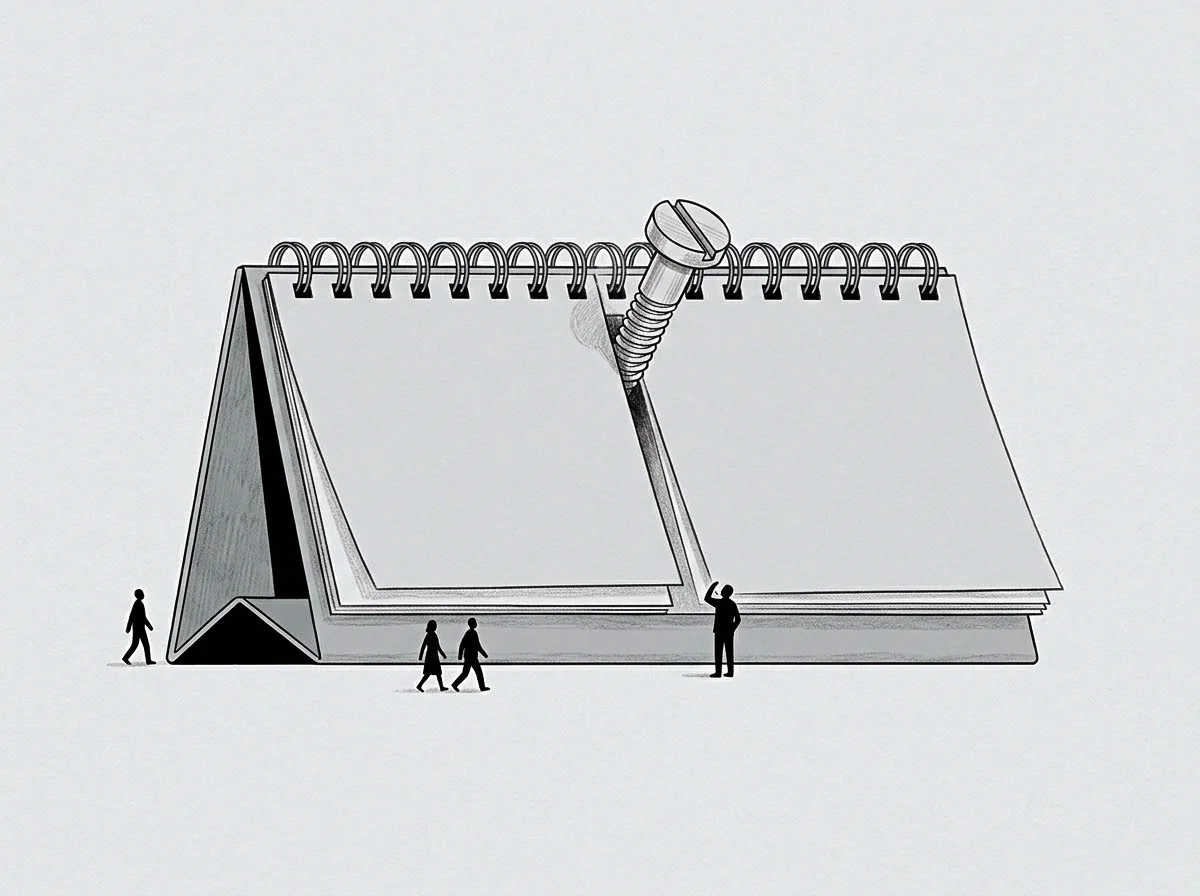
Tension manifests when a former executive sits across the table from a newly appointed replacement. Consider a typical governance dynamic involving two early builders who led a technology firm for six years before an institutional financing round prompted the board to recruit an external chief executive. The founding chief executive agreed to step down from daily operations while retaining a voting board seat and thirty-five percent of common equity.
The co-founder retained the chief technology officer role.
The incoming chief executive launched a restructuring plan to shut down the company’s legacy product line. The legacy product represented four years of the founding leader’s personal engineering effort, though it accounted for less than fifteen percent of annual recurring revenue. During board meetings, the founding director routinely used historical operational context to challenge the commercial assumptions of the new management team.
Shadow Authority and Operational Friction
The presence of the original leader creates a shadow authority structure within the business. Employees who built the initial product line continue seeking informal approval from the founding director, bypassing the incoming chief executive. This informal communication channel destroys the reporting lines established by the board.
Relational decay proceeds through predictable governance stages when an outgoing executive stays on the board without strict boundaries:
- Informal Bypass occurs when senior managers send draft product plans to the retained founder before submitting them to the new chief executive for review.
- Boardroom Ambush emerges when the founding director raises unvetted operational objections during formal board votes rather than resolving concerns in private executive sessions.
- Factional Alignment develops when investor directors split into competing camps, balancing allegiance to the founding visionary against reliance on the new operational leadership.
- Executive Paralysis results when the incoming chief executive delays strategic capital allocation to avoid protracted board disputes with the founding director.

Does Director Retention Alter Executive Autonomy?
Executive autonomy drops significantly when an outgoing leader sits on the compensation committee or controls board meeting agendas. The new chief executive faces constant evaluation from a director who previously held their exact role. The psychological weight of this arrangement alters how new management approaches risk-taking, strategic shifts, and talent replacement.
A retained founder’s vote carries double weight in boardroom deliberations, combining legal fiduciary authority with the moral authority of original creation.
The title changes. The authority split remains unresolved until the board intervenes. When an investor director fails to set boundaries between the new chief executive and the founding director, the incoming leader typically resigns within eighteen months of appointment, citing board interference.
The presence of the original builder in every board meeting makes independent execution impossible.

Barter
Unprompted assistance offered by an outgoing leader often arrives with hidden expectations. During the initial months following a resignation, a founding director may offer unprompted advice, introductions to key customer contacts, or assistance with investor relations. The incoming chief executive may accept this assistance, viewing it as generous support from a committed shareholder.
This exchange is rarely free. In social anthropology, unprompted giving that remains unquantified generates an asymmetric obligation known as relational indebtedness. The person receiving the help accepts a debt whose terms are never explicitly stated.
When the founding director later demands input on strategic decisions or executive hiring, they draw against the unspoken credit balance created by their earlier assistance.

Legacy Knowledge and Covert Debt
The convert debt mechanism operates through covert relational contracts between the board and the founder. The board allows the founder to retain a director seat as implicit payment for past equity dilution, uncompensated early-stage labor, or emotional attachment to the enterprise. The founder accepts the seat as validation of their ongoing relevance.
This subtle accounting breaks when strategic choices require altering the founder’s original design. The covert contract bills for past sacrifices precisely at the moment when the company needs to evolve beyond its initial foundation. The board discovers that what appeared to be an unselfish gift of ongoing governance service was an unstated claim to ongoing strategic veto power.
- The Sacrifice Trap arises when a founder cites personal hardship endured during company formation to resist board-approved compensation changes for new executives.
- The Pedigree Veto occurs when a founding director rejects prospective executive hires because the candidates lack commitment to the original corporate culture.
- The Metric Shield develops when a retained leader uses historical operational benchmarks to minimize current management failures or justify underperforming legacy business lines.
Term length matters. Reciprocity breaks here. The board must recognize that historical contributions cannot be paid out through governance concessions.
Paying for past sacrifices with ongoing board seats undermines the governance architecture required to scale the business.
It remains uncertain whether any organization can successfully separate historical emotional debt from future strategic voting.

Vault
Long-term value creation depends on establishing clean governance boundaries when an era ends. The preservation of enterprise value requires a structural separation between equity ownership rights and board control rights. A founder’s legal status as a major common shareholder does not require a perpetual directorship.
The board protects the business by formalizing the founder’s exit timeline at the moment of executive resignation. Setting a clear, time-bounded transition period, typically six to twelve months, allows the founding leader to transfer customer relationships, technical knowledge, and institutional context without establishing a permanent shadow governance structure. At the conclusion of the transition period, the founder steps down from the board entirely, transitioning to a pure shareholder position or an informal advisory role.
Equity remains intact. Stepping down from the board does not diminish the founder’s financial interest in the company’s ultimate success. Removing the founder from active governance allows the new management team to execute the strategy required to maximize the value of all common shares, including those held by the original builder.
The arrangement holds. When the board enforces clear boundaries, the relational dynamic between the founder and the company shifts from contentious oversight to aligned shareholding. The founder leaves the room, allowing the new leadership to build upon the foundation without carrying the weight of unstated relational debt.
Clean separation between governance authority and equity ownership preserves both boardroom functionality and long-term founder alignment.
Clean governance follows when historical contributions are recognized as past gifts rather than continuing rights to command.