
Founding Partner Operational Capacity Divergence And Governance Risk
Operational capacity divergence occurs when unstated labor disparities clash with static governance, paralyzing corporate decision structures.
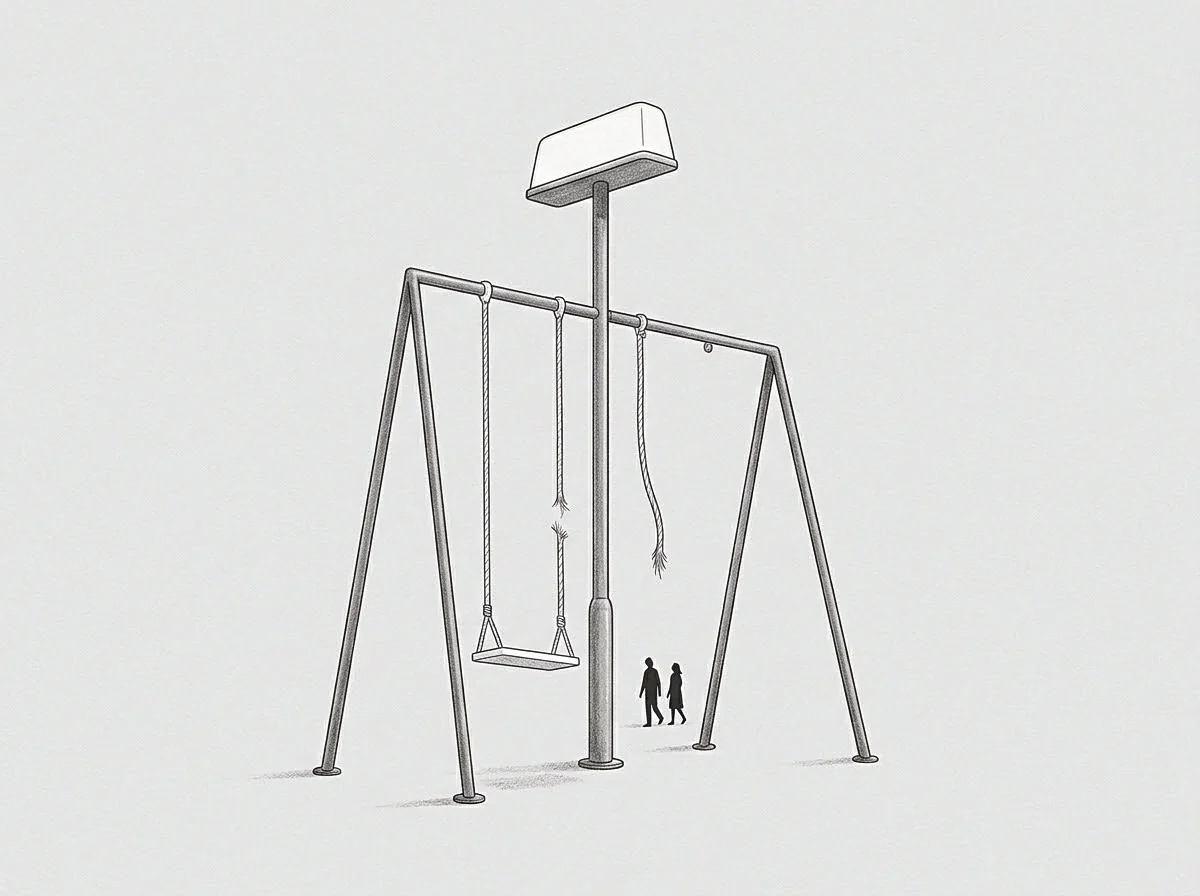
Room
Two founders build a business from a shared table, dividing work as it comes up. One partner manages production, client relationships, and technical execution for sixty hours a week. The other handles initial filings, joins early exploratory calls, and steps back as operational intensity builds.
Equity split at incorporation stays at fifty percent each. The operational load shifts onto one person while voting rights remain divided equally.
Unprompted work fills the gaps without any update to governance documents. The active founder takes on additional responsibilities, assuming recognition and equity adjustments will follow naturally. The quiet partner treats early contributions as permanent capital that secures an equal voice in every corporate resolution.
Implicit trust works as long as both founders face identical risks, work side by side, and carry similar workloads.
Unprompted contributions create unspoken obligations when operational demands outgrow original equity splits.
Divergence starts when one founder scales up hours to keep pace with demand while the other remains part-time. Unspoken expectations accumulate. The active founder signs vendor agreements, handles customer issues, and fixes technical problems over weekends.
The inactive founder votes on board resolutions, questions capital allocations, and blocks director appointments from afar.
The company relies on equal initial sacrifice, leaving early equity terms unchanged regardless of current weekly hours.

Drift

Decoupling Effort from Statutory Authority
Operational divergence builds through visible differences in daily output, technical ability, and availability. Execution starts to demand specialized skills rather than general enthusiasm. One founder gains operational experience through client contact, product updates, and vendor negotiation.
The other falls behind on the technical needs of daily management.
Field studies in social exchange show that unquantified contributions work only within small groups with equal capacity. When one member consistently contributes more without immediate compensation, the arrangement shifts from reciprocal support to unacknowledged subsidization. The active operator faces exhaustion, bearing executive responsibilities and the burden of supporting an inactive partner.
Informal arrangements replace clear corporate policy. The active operator avoids taking strategic decisions to formal board votes, running operational workarounds instead. Major vendor contracts get signed without a second review.
Key hires report through informal lines that bypass the inactive director. Governance splits into parallel tracks: formal deadlocks in board minutes, and day-to-day operations managed entirely by the active founder.
Informal workarounds bypass deadlocked boards until legal and statutory obligations force the issue.
The risk of silence grows as the company approaches institutional funding or debt milestones. Investors require unanimous board consent for cap table changes, intellectual property assignments, and option pools. An inactive founder with equal board representation retains a veto over major decisions, regardless of daily involvement.
Unmeasured, disproportionate effort eventually turns an initial partnership into operational deadlock.
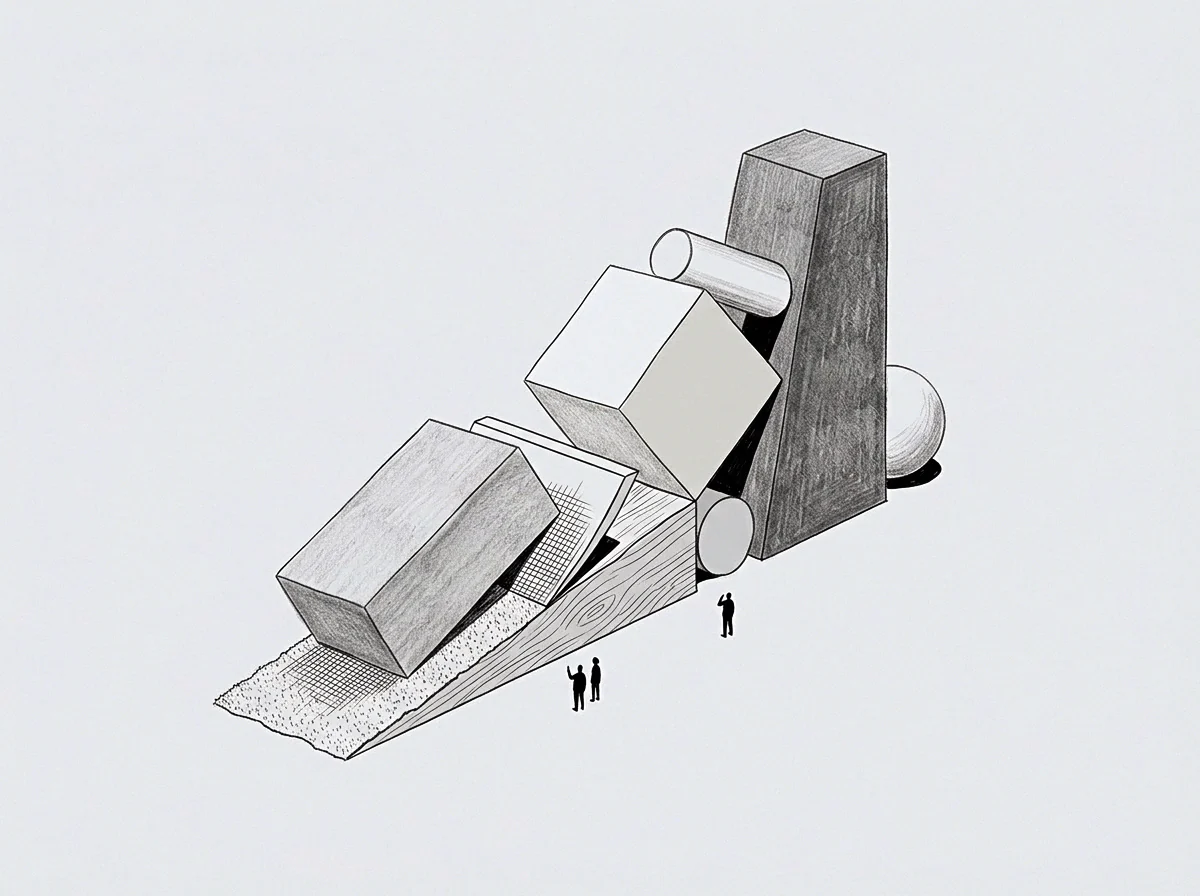
Wedge
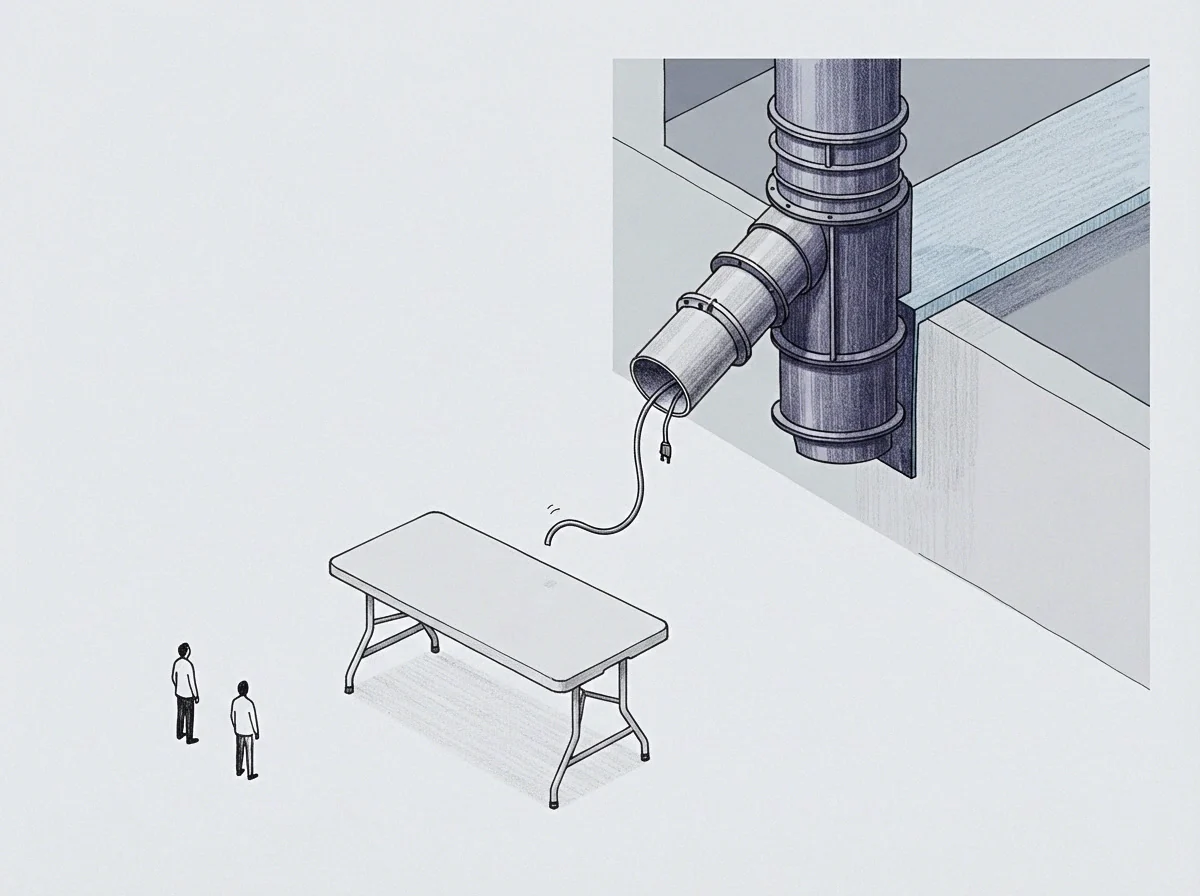
Structural Asymmetry in Decision Seats
Governance risk emerges whenever legal authority separates from operational work. The inactive founder retains legal rights to inspect corporate records, call shareholder meetings, and block key transactions. Friction grows during compensation reviews, equity pool approvals, and performance evaluations.
The active builder requests market-rate executive pay to reflect their daily work, while the inactive shareholder resists cash dilution and profit distribution.
| Operational Dimension | Informal Equal Partnership | Milestone-Adjusted Governance |
|---|---|---|
| Weekly Operational Output | Sixty hours versus five hours unmonitored | Structured executive commitments tied to role definitions |
| Board Decision Protocol | Static equal voting producing frequent deadlocks | Independent tie-breaking directors and operational voting thresholds |
| Equity Adjustment Mechanism | Unstated personal expectations without vesting remedies | Time-based reverse vesting and performance clawbacks |
| Information Access | Unfiltered updates mixed with operational friction | Standardized quarterly director reports and defined board packets |
Standard corporate charters fail to resolve operational divergence because equal ownership presumes equal ongoing contribution. When founders omit dynamic equity vesting or formal service requirements, legal protections favour the non-performing shareholder. Common law fiduciary duties require directors to act in good faith for enterprise value, yet legal standards rarely penalize a director purely for operational passivity or conservative voting.
A shareholder agreement with mandatory buy-sell triggers provides clear pathways for equity adjustments when operational contributions fall below set thresholds.
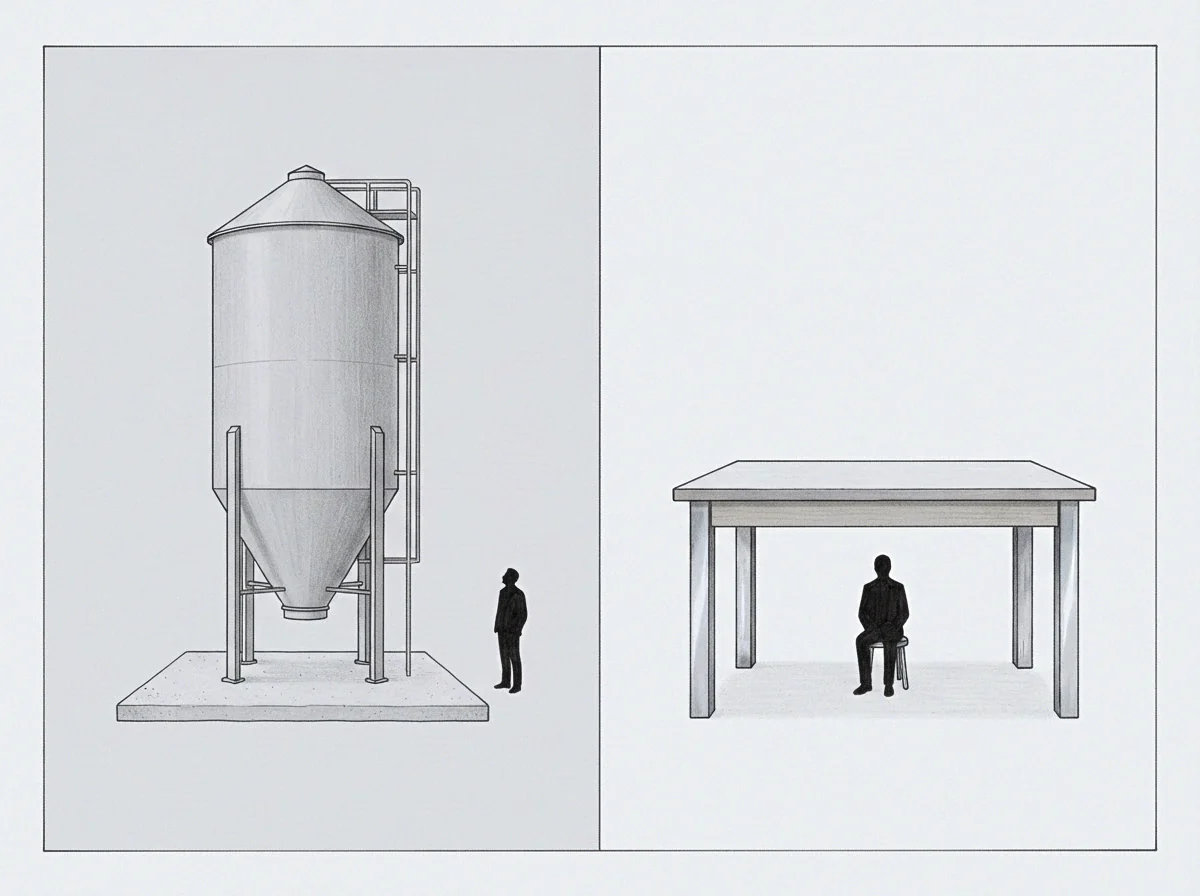
Toll
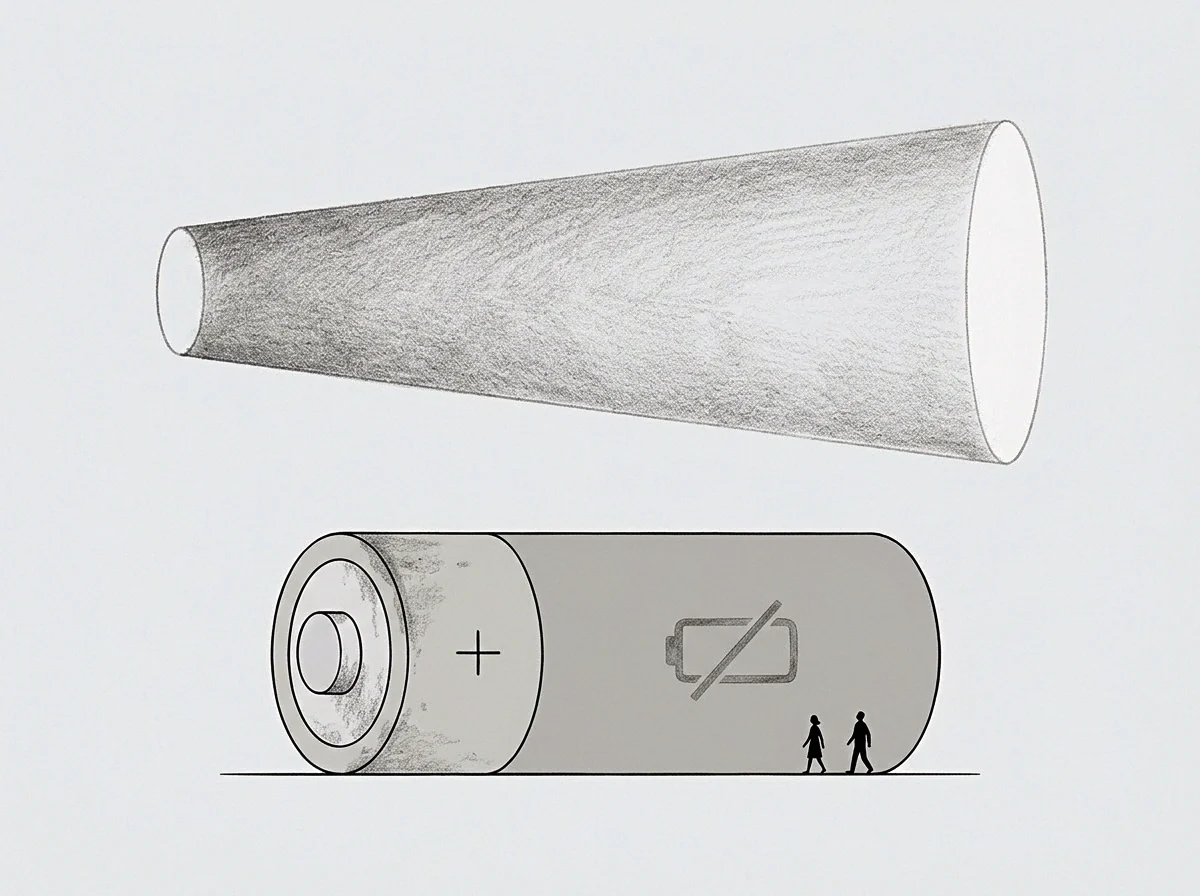
The Accumulation of Administrative Vulnerability
Consider two partners who start a technology services firm with equal equity. The operational builder generates eighty percent of billable revenue, manages nine direct reports, and works fifty-five hours a week. The inactive co-founder puts in five hours a week, mostly attending monthly lunches, while retaining fifty percent of ordinary voting shares.
The company reaches three million dollars in annual revenue but cannot secure institutional expansion debt because of co-founder deadlock over personal guarantees.
Delayed governance intervention creates specific administrative vulnerabilities across company operations:
- Cap table paralysis prevents issuing equity grants to incoming executive hires.
- Commercial contract delays happen when counterparties require dual officer signatures on major agreements.
- Tax inefficiencies arise when distributions must follow statutory equity rather than actual operational contributions.
- Key person depletion accelerates as the primary operator carries ongoing operational strain without executive support.
The active operator faces three administrative options. The first is negotiating an equity buyback at a premium, paying the inactive partner for their original stake. The second is formal dissolution and asset distribution, which destroys built-up goodwill and triggers tax liabilities.
The third is launching a parallel operating entity, which exposes the active builder to legal claims over corporate opportunity usurpation and fiduciary breaches.
Unstated contributions leave companies vulnerable to costly reorganizations during capital rounds.
Failing to realign governance early forces the active builder into defensive moves, damaging enterprise value and alienating early employees.
Stem
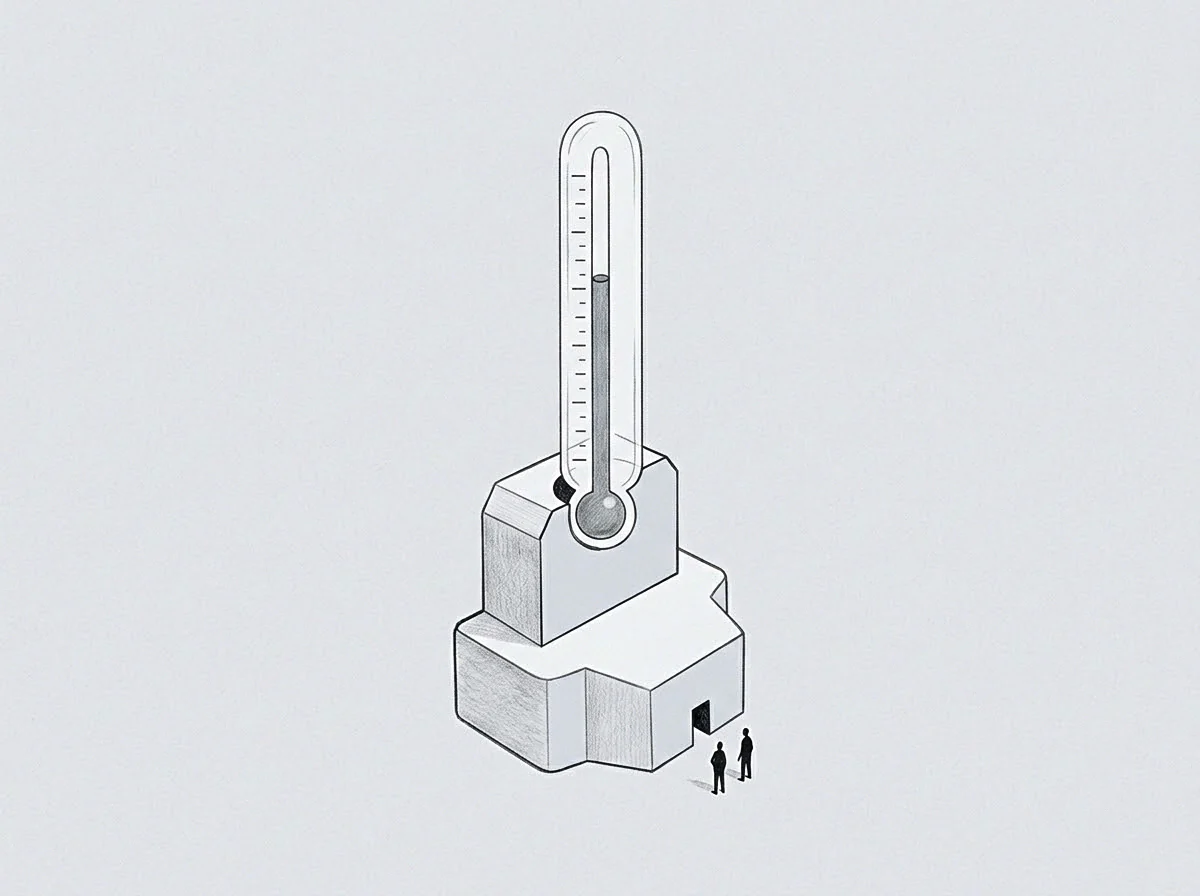
Recalibrating Equity and Operational Governance
Resolving divergence starts by separating shareholder returns on past capital from executive pay for current work. The corporate structure splits the board seat from the daily executive role, introducing formal employment contracts with clear performance expectations, salary bands, and termination terms.
Past contributions are recognized through static equity or preferred dividends, while future gains attach to active operational milestones. Dynamic equity structures—like milestone vesting schedules and restricted stock agreements with repurchase rights—protect the firm if a partner leaves. A neutral, odd-numbered board prevents deadlocks on strategic decisions.
The main challenge is deciding the exact financial point where early unpaid work fully converts into historic equity, freeing the operating builder from long-term uncompensated subsidization.