
Resolving Psychological Contract Breach When Enterprise Alliance Terms Formalize
Formalizing alliance terms shifts unquantified goodwill into balanced channels, triggering retrospective obligation claims when informal work goes uncredited.

Rupture
Two operators sit in a conference room with a fifty-page master alliance agreement placed between them after two years of unmetered collaboration. One operator brought three major client introductions to the partnership without asking for compensation, assuming those introductions established an unwritten equity stake in the joint initiative. The second operator hands over the draft contract, which contains standard intellectual property assignment clauses, explicit revenue split terms, and a strict limitation of liability that treats all prior contributions as zero-value pre-existing assets.
The room grows quiet. The contract arrives late.
Psychological contracts form in the quiet spaces between explicit legal agreements. When two entities build together, informal understandings develop around unprompted assistance, shared risks, and unspoken equity expectations. One party provides technical integration hours, advisory support, or executive access under the implicit belief that these contributions build credit within a relational ledger.
When formal enterprise terms introduce precise transactional definitions, that unwritten agreement collapses under the weight of explicit boundaries.

The Shift to Formalized Enterprise Alliance Terms
Informal arrangements operate on generalized reciprocity, where assistance flows without immediate calculation of return. Early partnership building depends on this open ended structure because precise valuation of early-stage effort introduces friction before value exists. A party brings market access, technical expertise, or operational support to the joint endeavor, deliberately leaving the exchange unquantified to maintain operational speed.
The unspoken expectation remains that future gains will reflect past generosity.
Enterprise governance structures cannot accommodate unmetered commitments. Corporate legal teams require definitive definitions of property rights, indemnification, revenue distribution, and termination triggers. When formal contract drafts replace informal understandings, the relationship transitions abruptly from a relational channel to a market channel.
This transition forces both sides to evaluate whether prior unprompted contributions are acknowledged or erased by the new legal text. The score remains unstated until the contract forces the tally.

Unstated Expectations Billed Upon Document Delivery
Relational friction erupts not from the inclusion of enterprise clauses, but from the realization that past unprompted effort carries no formal weight. The party who invested significant unquantified capacity reads legal precision as a denial of past partnership value. The draft contract acts as a retroactive evaluation, assigning zero financial or governance value to hours previously framed as shared foundation building.
Enterprise terms that ignore prior unquantified contributions convert informal relational goodwill into immediate transactional debt.
The resulting friction manifests as operational paralysis, sudden demands for renegotiation, or covert hostility during legal review. The contributing party feels a deep sense of breach, viewing the sudden enforcement of standard commercial terms as a betrayal of trust. Meanwhile, the legal team presenting the contract views the document as standard risk mitigation, entirely unaware of the invisible balance sheet created during the informal building phase.
Memory holds a different count on each side of the table.
Failure to reconcile these underlying expectations before delivering enterprise terms leads directly to broken partnerships, contested intellectual property rights, and prolonged contract stalemates that destroy the alliance value before formal operations begin.
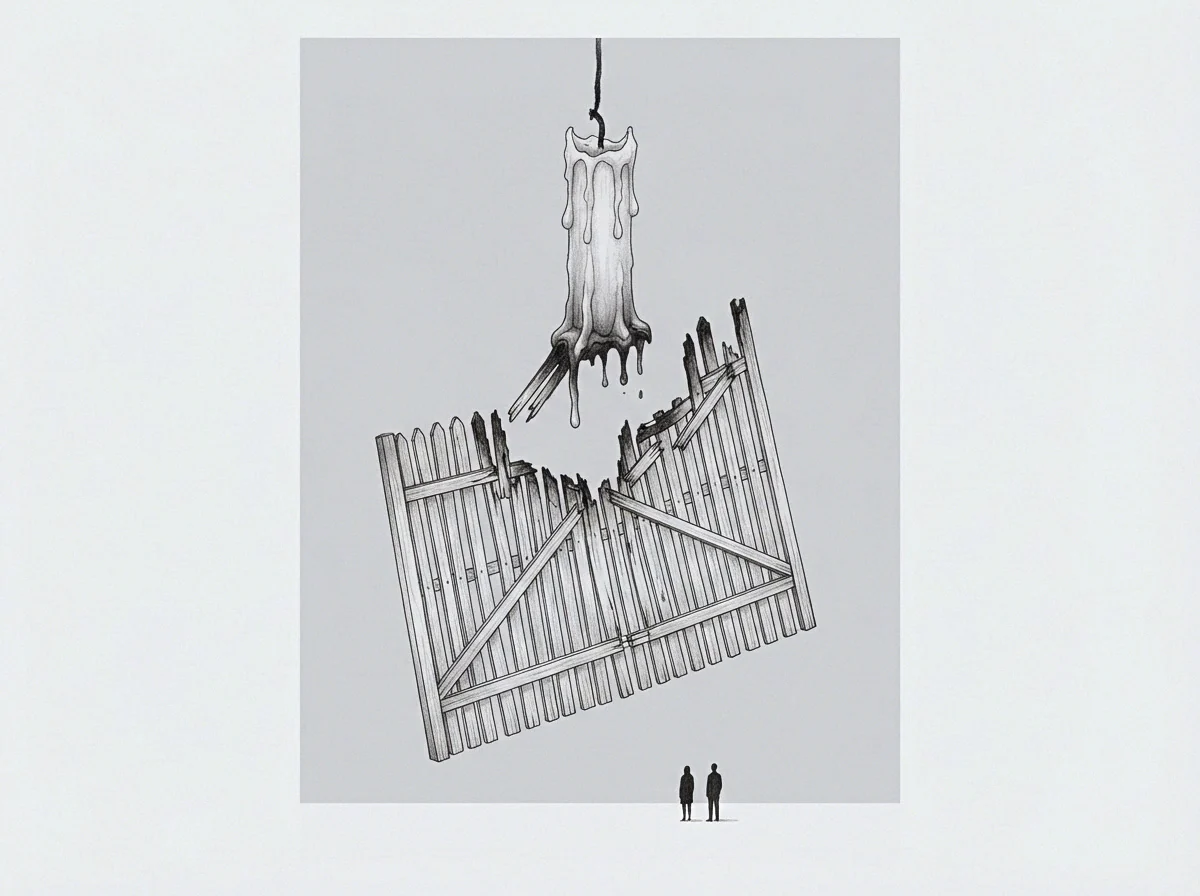
Door
The passage from informal collaboration to formal enterprise governance requires stepping through a strict structural threshold. Up to that boundary, open ended assistance serves as the primary currency between entities. Past that threshold, legal enforcement demands explicit accounting for every asset, liability, and revenue stream.
Crossing this boundary exposes every unstated assumption held by either party.
Organizational research demonstrates that psychological contracts carry stronger emotional investment than formal legal contracts. When a legal document contradicts an unwritten contract, individuals respond to the breach with emotional intensity comparable to personal betrayal. The friction is rarely about the specific percentage split in a draft; it centers on the perceived invalidation of past unprompted sacrifices.

Generalized Versus Balanced Exchange Dynamics
Exchange theory distinguishes between generalized reciprocity, where return is non-simultaneous and unquantified, and balanced reciprocity, where value must match across strict timeframes. Informal alliances thrive on generalized exchange because it fosters flexibility and mutual trust. One organization provides engineering hours this quarter, expecting that the partner organization will provide enterprise sales distribution in a future quarter without drafting a scope statement.
Formalization forces an immediate conversion from generalized exchange to balanced exchange. The contract demands an itemized schedule of obligations, performance metrics, and service level agreements. This conversion exposes the asymmetry in how each party valued prior contributions.
The engineering team calculates their past support at full commercial billing rates, while the sales organization views that support as a routine prerequisite for partner evaluation.

Why Alliance Formalization Prompts Retrospective Ledger Calculations?
Formal legal terms force both organizations to audit the history of the partnership to defend their prospective negotiation positions. When an enterprise agreement presents rigid governance, the party feeling disadvantaged begins an exhaustive accounting of past favors, unprompted intros, and uncompensated hours. Goodwill carries no shelf life once legal liability enters the room.
Retrospective calculation transforms past generosity into active dispute material. Unquantified assistance that was given freely two years ago is suddenly re-framed as an unpaid invoice or an unfulfilled equity promise. The party presenting the contract attempts to lock in prospective terms, while the receiving party attempts to use past unmetered contributions to extract prospective concessions.
Unprompted assistance given during informal operations transforms into retroactive leverage the moment explicit legal boundaries are introduced.
Silence breeds the covert expectation over extended building periods. The longer an alliance operates without explicit terms, the larger the psychological contract grows, and the higher the emotional and financial cost becomes when formal papers finally arrive on the desk.
The partner receiving the agreement looks at the contract text and concludes that their early contributions were treated as free raw material for another organization’s balance sheet.
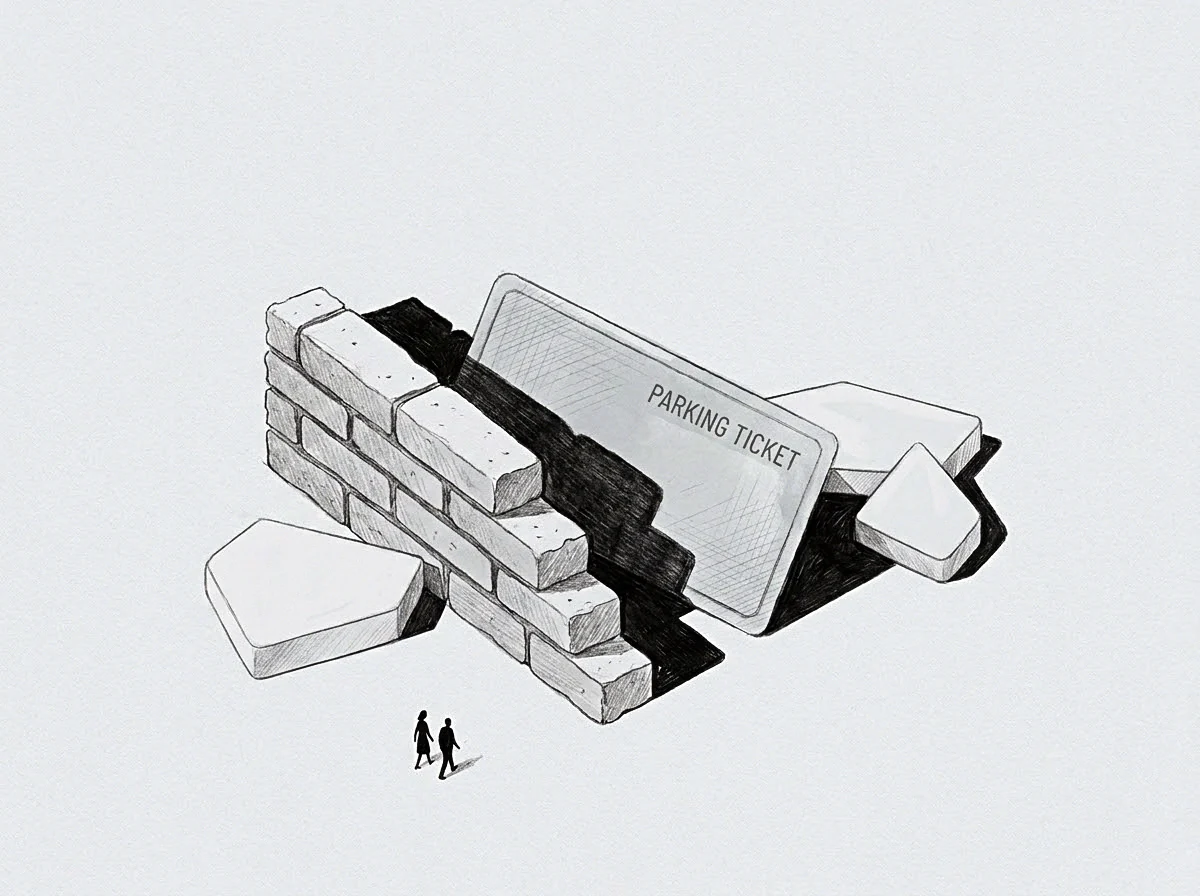
Frame
Structuring the resolution of psychological contract breach demands an objective comparative framework. Operators must separate informal relational expectations from enforceable contract terms to determine where alignment exists and where covert debts remain unresolved. Placing these two modes of operation side by side reveals why standard contract negotiations fail when psychological breaches remain unaddressed.
Relational contracts rely on internal enforcement through trust and ongoing mutual need, whereas enterprise contracts rely on external enforcement through legal remedies and governance boards. When an enterprise alliance formalizes, managers must map existing informal understandings directly into explicit contractual mechanisms rather than pretending the informal phase never occurred. The fee clears the debt when recognized properly.

Comparing Relational Commitments and Structural Enterprise Governance
The structural divergence between psychological contracts and enterprise alliance agreements creates predictable operational failure points across five distinct lifecycle dimensions.
| Operational Dimension | Relational Psychological Contract | Formal Enterprise Contract | Operational Consequence |
|---|---|---|---|
| Value Origin | Unprompted assistance, relational favors, implicit trust | Itemized schedules, explicit assets, defined capital | Unrecognized past contributions drive negotiation friction |
| Reciprocity Type | Generalized, open ended, non-simultaneous return | Balanced, bounded, strict SLA timelines | Abrupt conversion triggers debt accounting by early contributors |
| Breach Trigger | Perceived invalidation of past unwritten contributions | Violation of written covenants or performance limits | Legal teams miss emotional breach; partners misread legal risk |
| Remedy Path | Relational reset, unprompted value delivery, explicit recognition | Financial cure periods, contract termination, litigation | Standard legal remedies fail to resolve psychological breach |
| Capacity Cost | High emotional tax, unmetered executive attention | Predictable operational allocation, defined fees | Unaddressed breach exhausts executive capacity during execution |

The Weight of Unprompted Past Contributions
Past support that arrived without a written fee structure presents the single hardest obstacle to formal contract execution. The party who received unprompted help often interpreted it as an unencumbered gift, while the party who provided it viewed it as an investment in a joint future asset. When the contract attempts to assign clear title to that asset, the implicit investment demands recognition.
Unquantified help ends when legal papers arrive. Resolving the resulting friction requires establishing a formal bridge between past contributions and prospective terms. This bridge can take the form of milestone-based equity vesting, preferred revenue splits during initial commercial phases, or explicit service credits recognized in the contract schedule.
A flat commercial fee schedule stated upfront costs significantly less than three years of unstated resentment settled during contract execution.
A transition clause in the alliance agreement that explicitly acknowledges past co-development contributions and converts them into defined commercial credits resolves the psychological breach while satisfying corporate legal requirements.

Repair
Fixing a broken psychological contract during formalization requires a deliberate protocol that addresses both the emotional perception of betrayal and the practical requirements of legal documentation. Alliance leads cannot rely on standard legal redlining to solve a relational breach. The repair process demands explicit conversation regarding past informal contributions before prospective contract terms can be finalized.
Re-establishing alignment requires moving every hidden expectation out of the psychological space and into clear commercial terms. This process transforms implicit balance sheets into explicit contractual considerations, allowing both entities to enter the formal alliance without lingering debt or unstated grievances.

Separating Retrospective Goodwill from Prospective Fees
The initial move in resolving alliance breach involves isolating past unprompted effort from future baseline deliverables. Management must sit down with the partner leadership and audit the informal building phase directly. Both sides must state what they believe was contributed, what value was created, and what expectations were generated by those past acts.
Paperwork changes the exchange channel permanently. Once past contributions are inventoried, the alliance leadership must determine how to clear the historical ledger. Options include granting one-time commercial credits, adjusting initial equity allocations, or creating prioritized commercial rights within the formal framework.
Once past contributions are explicitly settled, future work must operate under standard commercial pricing.

Revising Covert Understandings into Stated Limits
Resolving psychological contract disputes requires converting every covert understanding into a clearly stated contractual term. Alliance leads can systematically dismantle hidden expectations through targeted structural mechanisms:
- Historical Credit Recognition establishes explicit schedule line items that acknowledge past technical or market contributions and assign them formal commercial value.
- Channel Separation Protocols create distinct boundaries between relational executive interactions and formal operational SLA enforcement.
- Capacity Allocation Limits define exact hourly and financial boundaries for future work to prevent new unmetered obligations from accumulating.
- Tiered Revenue Triggers align prospective financial returns with cumulative past and future milestone achievements.
Terms state the exact limit of future obligations. Establishing clear operational boundaries prevents the recurrence of unstated expectations during downstream alliance execution.
Unwritten commitments must be converted into explicit contract schedules or formally retired before enterprise execution begins.
Addressing historical contributions openly before finalizing contract text preserves relational goodwill while establishing the structural discipline required for enterprise operations.
Acknowledging past unprompted contributions explicitly within contract recitals costs nothing in prospective equity while entirely neutralising relational friction.

Gate
Every enterprise alliance must establish a firm governance gate that separates informal exploratory building from formal enterprise execution. Allowing informal collaboration to drag on without clear legal boundaries guarantees severe psychological contract breach when formal terms are eventually enforced. Establishing a clear operational boundary protects both relational goodwill and corporate assets.
The governance gate acts as a structural filter. Before any project moves from informal exploration to joint commercial deployment, both organizations must complete a formal alignment audit. This audit ensures that all unprompted contributions are accounted for, all equity expectations are codified, and all operational roles are bound by explicit terms.

Defining Boundary Limits for Unquantified Assistance
Unquantified barter must stay out of enterprise alliance execution. While informal assistance is valuable during initial scoping, allowing unmetered work to continue into commercial deployment creates massive relational liabilities. Enterprise alliances require predictable resource allocations, clear governance structures, and explicit financial terms.
The seat demands clear scope at every phase of execution. Organizations must enforce strict limits on informal work. Once a joint project reaches a defined threshold of capital investment, engineering hours, or customer exposure, formal enterprise contracting must initiate immediately to prevent the accumulation of unstated psychological debts.

Capacity Realities in Long Term Partnerships
Long term alliance success depends on recognizing the capacity limits of both partner organizations. As alliances formalize, operational demands increase, and the informal flexibility of the early relationship diminishes. Both parties must adapt to formal governance without reading structural process as a loss of mutual trust.
1. Operational resources must be allocated according to explicit contract schedules rather than personal favors.
2. Performance metrics must be evaluated through formal governance boards rather than subjective relational assessments.
3. Dispute resolution must follow codified contractual pathways rather than informal executive intervention.
Formal terms change the relational channel permanently, replacing unmetered personal generosity with structured institutional commitments. When managed intentionally, formal terms provide the clarity and predictability required to scale an alliance across enterprise markets without destroying the relational foundation that made the partnership valuable in its early days.
How much unstated obligation remains hidden in enterprise alliances that transition to formal terms without auditing their informal history?