Meaning
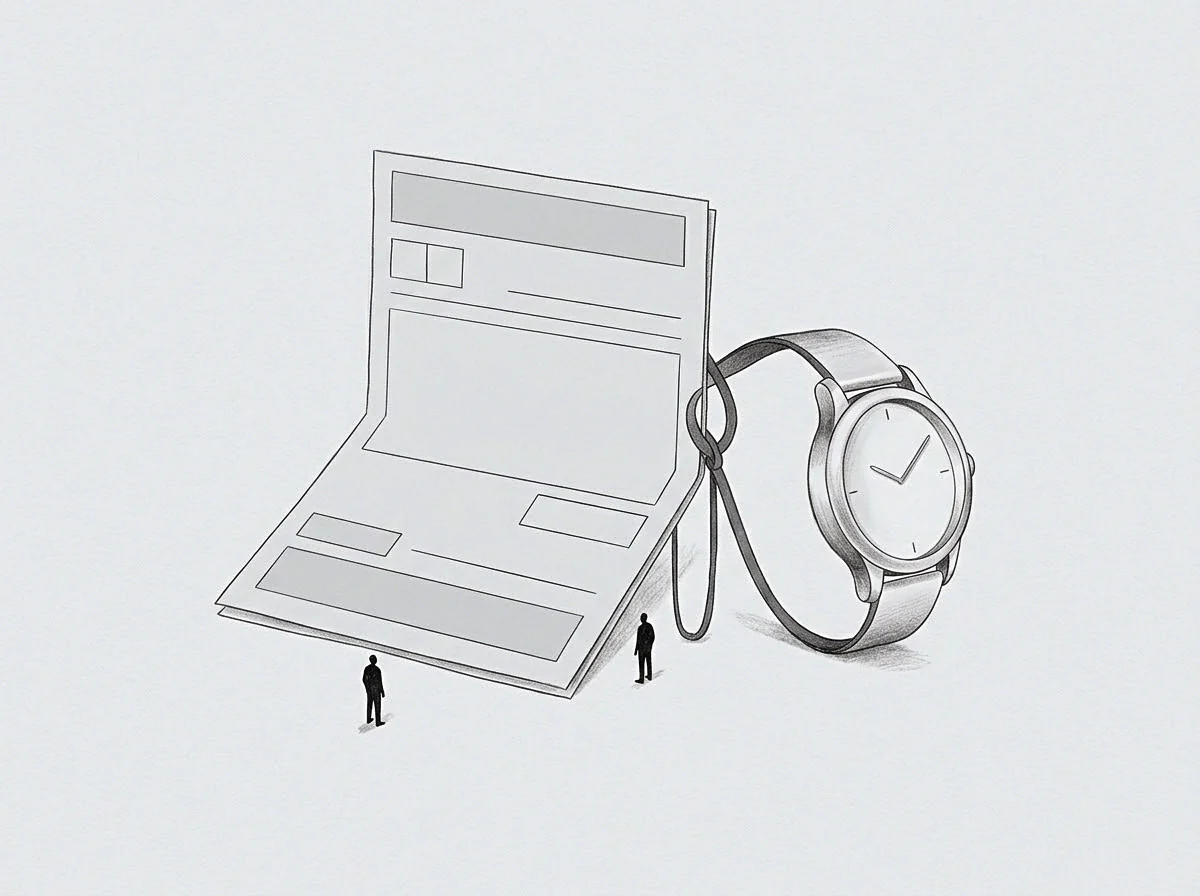
Cumulative physiological wear and tear resulting from chronic exposure to fluctuating or heightened neural or neuroendocrine response describes the biological cost of sustained high-stress environments. This physiological wear and tear is called allostatic load. It accumulates when the brain perceives constant threats to the survival of an enterprise, keeping the body in a state of hyper-arousal.
Over several years, the continuous secretion of cortisol and adrenaline alters metabolic functions and weakens immune responses. The build-up begins to affect cognitive flexibility, memory retrieval, and long-term strategic decision-making capacity.
Physiological Toll
Continuous activation of the sympathetic nervous system alters the physical structures of the brain responsible for executive control. The prefrontal cortex shows reduced dendritic branching, which limits the capacity to process complex, non-linear problems. Consequently, the individual relies on habitual responses, bypassing creative solutions.
Sleep deprivation compounds this depletion, preventing the nightly clearance of metabolic waste products from neural pathways. This physical exhaustion translates directly into reduced patience and compromised leadership.
Adaptive Strategy
Structured recovery periods and systematic delegation distribute the psychological weight of the venture across a broader team. Building a decentralized operational structure reduces the frequency of acute crises requiring direct founder intervention. Regular physical activity and cognitive behavioral strategies help reset the neurological baseline.
These interventions lower the circulating levels of stress hormones, restoring executive function to optimal baseline levels. Leaders who design their daily routines around biological limits maintain high performance for longer horizons.
Sustained Capacity
Recovery protocols function effectively only before structural clinical burnout occurs. Once the endocrine system reaches a state of severe exhaustion, simple rest ceases to be sufficient for recovery. The damage then requires long-term clinical intervention and complete withdrawal from operational duties.
Therefore, early intervention represents a necessary business continuity practice, distinct from a personal luxury.