Meaning
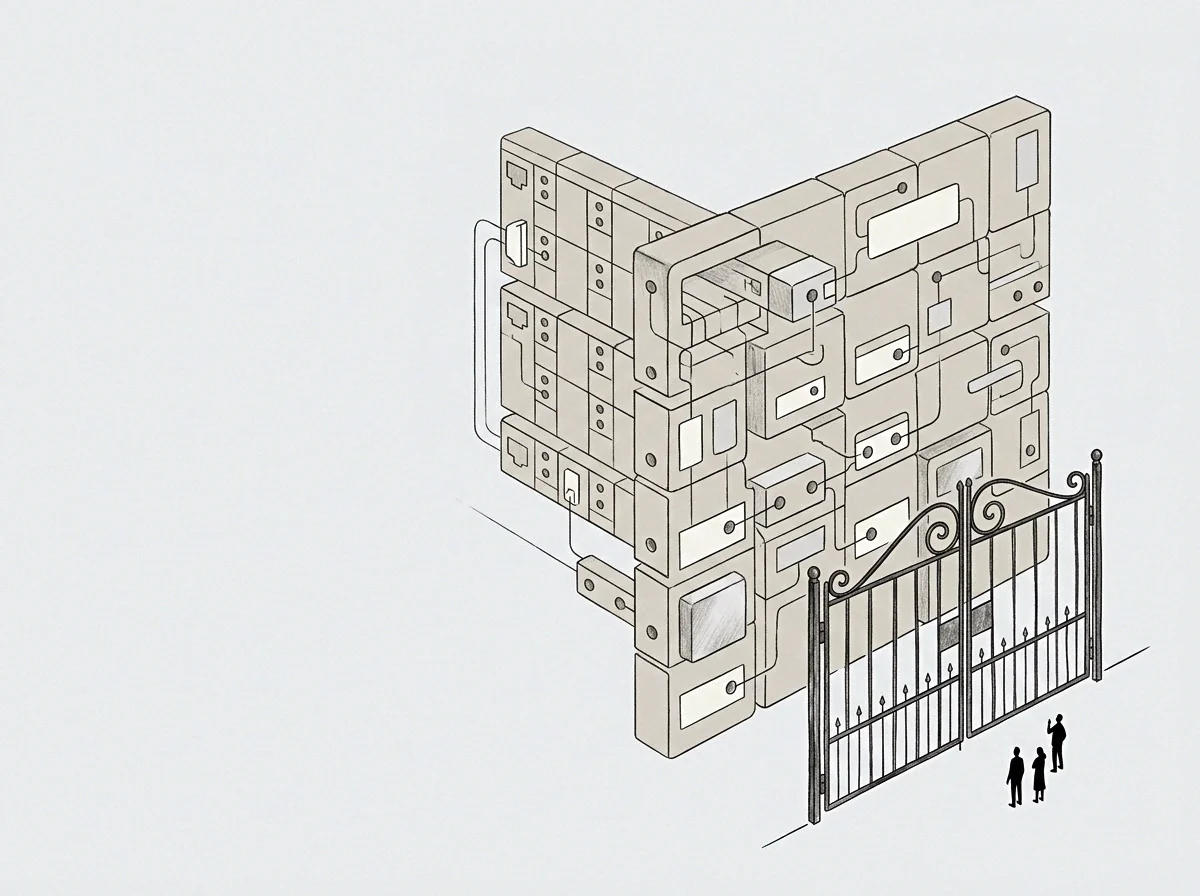
Organizational drift describes the informal expansion of an individual actor’s decision rights beyond the boundaries specified in original founding covenants. When operational urgency outstrips corporate governance, authority creep occurs through repeated unilateral actions that face no immediate resistance from cofounders. The phenomenon alters the actual operational hierarchy while leaving the nominal corporate structure intact.
Such expansion ceases to apply once decision thresholds are explicitly codified through amended operating agreements or formal board resolutions.
Incremental Drift
Unchallenged administrative choices compound over successive operational cycles until executive discretion overrides original statutory allocations. As functional requirements shift rapidly during market deployment, one participant assumes operational control over cash disbursements, hiring agreements, or product architecture without seeking prior consent. Colleagues frequently accept these initial encroachments to conserve operational speed or avoid direct confrontation.
Each uncontested intervention establishes an operational precedent, transferring de facto jurisdictional control to the acting party. Over successive quarters, the informal assumption of managerial prerogative hardens into an operational entitlement that resists subsequent containment.
Administrative Toll
Executive friction inevitably surfaces when non-authorizing founders discover their formal consent has been bypassed in routine operations. The silent reallocation of managerial control costs the passive participants strategic visibility, psychological equity, and personal standing within the enterprise. Conversely, the accumulating actor pays in personal attention, elevated operational stress, and executive isolation, absorbing accountability for unvetted decisions without legal insulation.
Institutional Redress
Formal realignments of operational oversight require written governance amendments that define precise expenditure limits and voting requirements. Contracting parties eliminate authority creep by instituting dual-authorization rules, periodic operational audits, and clear committee mandates that restore statutory control.