Meaning
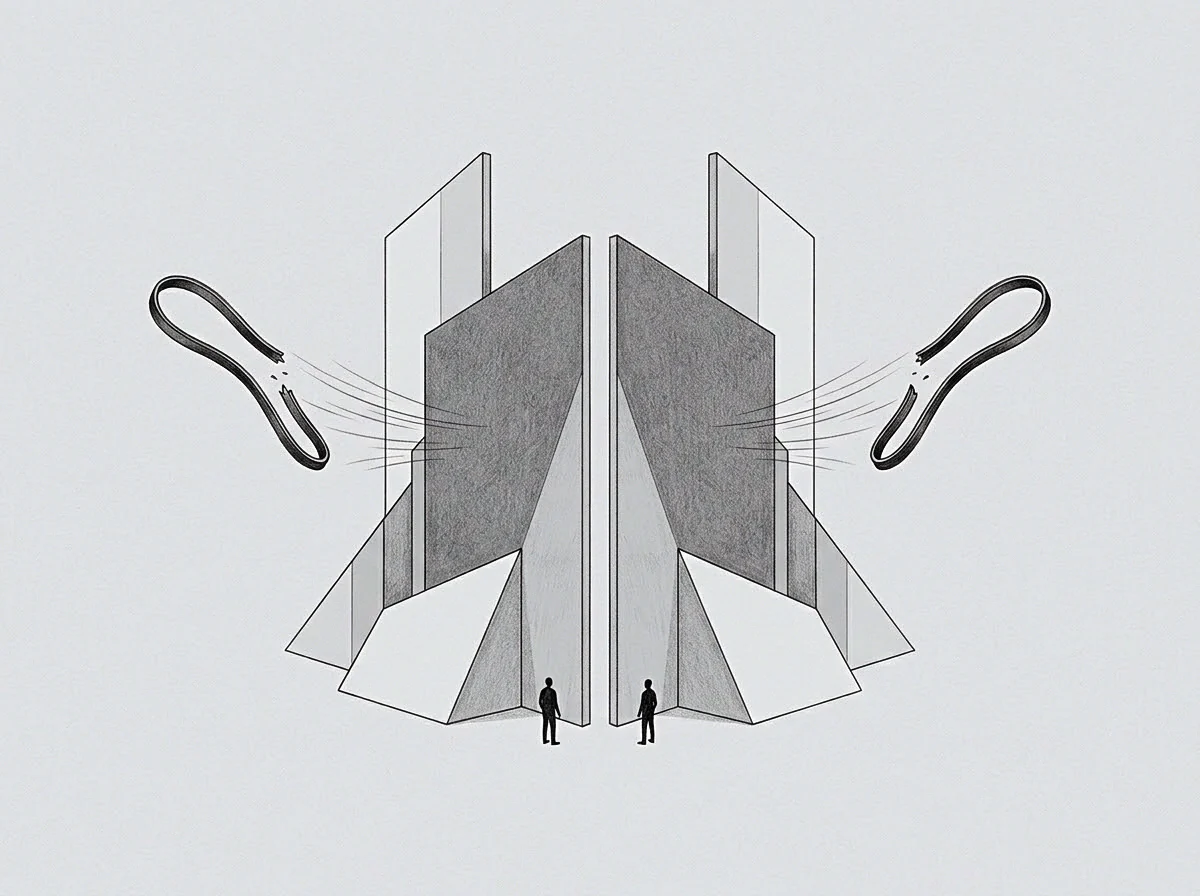
Unexcused failure by a party to satisfy an express or implied obligation under a legally binding covenant terminates the standard performance equilibrium and activates remedial liabilities. When a breach of contract occurs within enterprise relationships, the non-breaching party secures rights to seek restitution, specific performance, damages, or formal rescission. The violation emerges across missed deadlines, non-payment, unauthorized disclosure of intellectual property, or abandonment of operational covenants.
Remedial enforcement boundaries end where statutory impossibility, force majeure, mutual discharge, or unconscionability negate the underlying obligation.
Contractual Breakdown
Non-performance divides into non-material deviations that leave the primary bargain functional and fundamental failures that destroy the transaction’s commercial purpose. A breach of contract classified as material releases the non-breaching participant from ongoing reciprocal covenants, authorizing immediate suspension of collaborative duties. When departed co-founders breach restrictive non-solicitation or non-compete agreements, the corporate entity sustains direct capacity deficits and potential intellectual property erosion.
The violation extracts substantial executive hours in investigation, notice documentation, and remediation preparation. A formal cure period typically provides the non-performing party a defined window to rectify operational failures before forfeiture clauses take hold.
Loss Recovery
Direct commercial harm resulting from the broken commitment generates measurable claims for expectation damages, designed to approximate the financial state promised by original performance. In enterprise environments, addressing a breach of contract involves balancing legal fees, operational delays, and executive capacity against anticipated recovery totals. Liquidated damage clauses, when agreed in initial covenants, establish fixed monetary figures to circumvent complex forensic discovery.
Consequential losses, covering derivative commercial opportunities lost due to default, remain recoverable only if reasonably anticipated during contract drafting. Establishing the boundary of direct damage shields the enterprise from speculative financial liabilities.
Operational Exposure
Defection from executed governance, IP assignment, or operational covenants alters internal stability and complicates outside financing. Managing a sustained breach of contract drains founder focus away from core commercial initiatives into dispute management, stakeholder containment, and formal evidentiary compilation. Relational costs emerge when early collaborators, operating on unstated assumptions rather than explicit provisions, interpret technical compliance enforcement as personal betrayal.
The formal assertion of default forces clarity onto previously covert arrangements, bringing undocumented contributions under rigid contractual accounting. Explicit default clauses provide predictability when early collective alignment fractures into irreconcilable tactical divisions.