Meaning
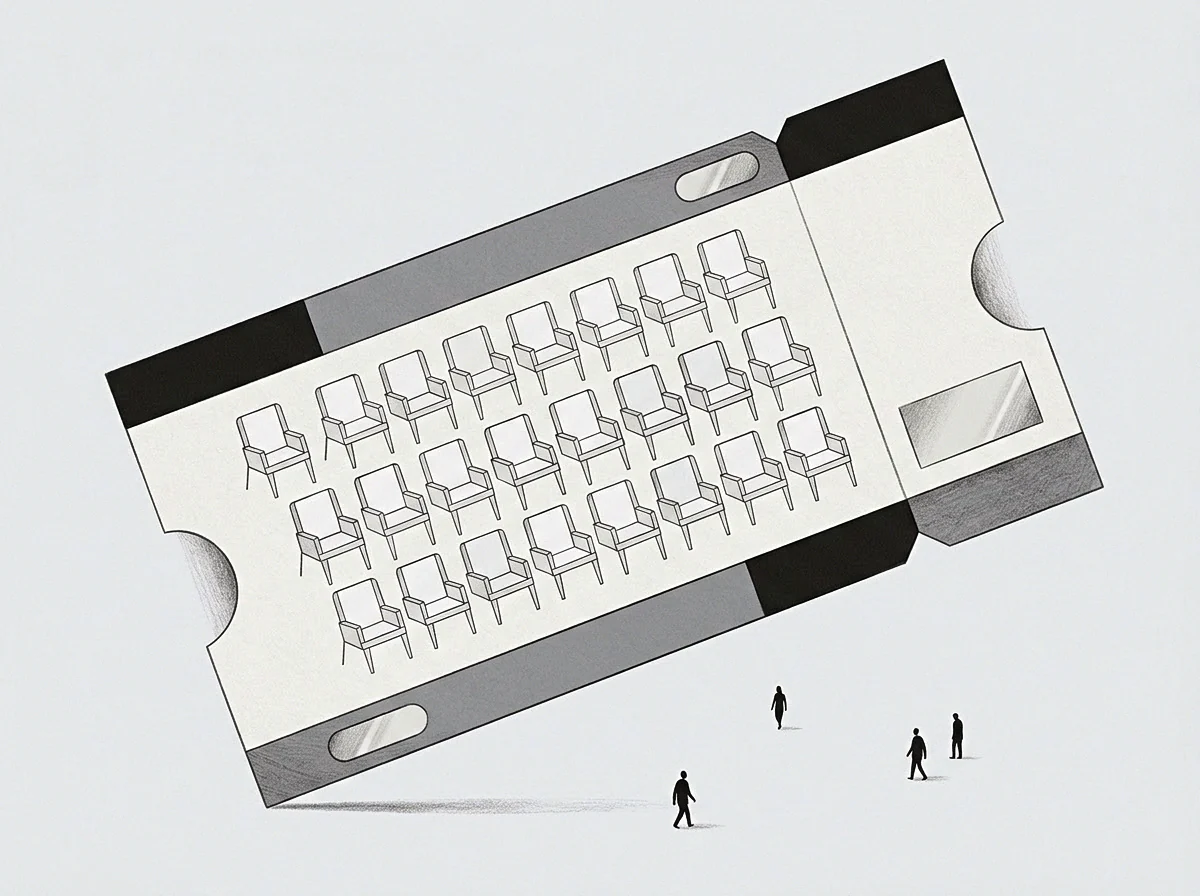
Inactive equity holdings represent a portion of the capitalization table assigned to individuals who no longer provide service or value to the entity. This cap table deadweight results from early grants that lacked sufficient vesting protections or from former employees who retain large blocks of shares after departure. It marks the point where ownership ceases to function as an incentive and instead becomes a burden on the remaining founders and active staff.
Dilution Pressure
Future funding rounds become more difficult when a large percentage of the company belongs to non-participants. This cap table deadweight forces active contributors to accept smaller stakes or pushes the company to issue more shares to compensate current talent. The resulting dilution can demoralize the existing team and reduce the upside for incoming investors.
Cleanup Strategy
Management often seeks to reclaim these shares through buybacks or negotiated secondary sales to new participants. Addressing cap table deadweight involves identifying the holders and offering terms that allow them to exit while returning the equity to the active pool. These transactions require careful valuation to ensure the company does not overpay for its own stock.
Investment Risk
Institutional capital providers look at the distribution of ownership to gauge whether the leadership is properly incentivized. Excessive cap table deadweight signals a failure in governance or a history of poor equity management. Investors may demand a recapitalization before committing new funds to the venture.