Meaning
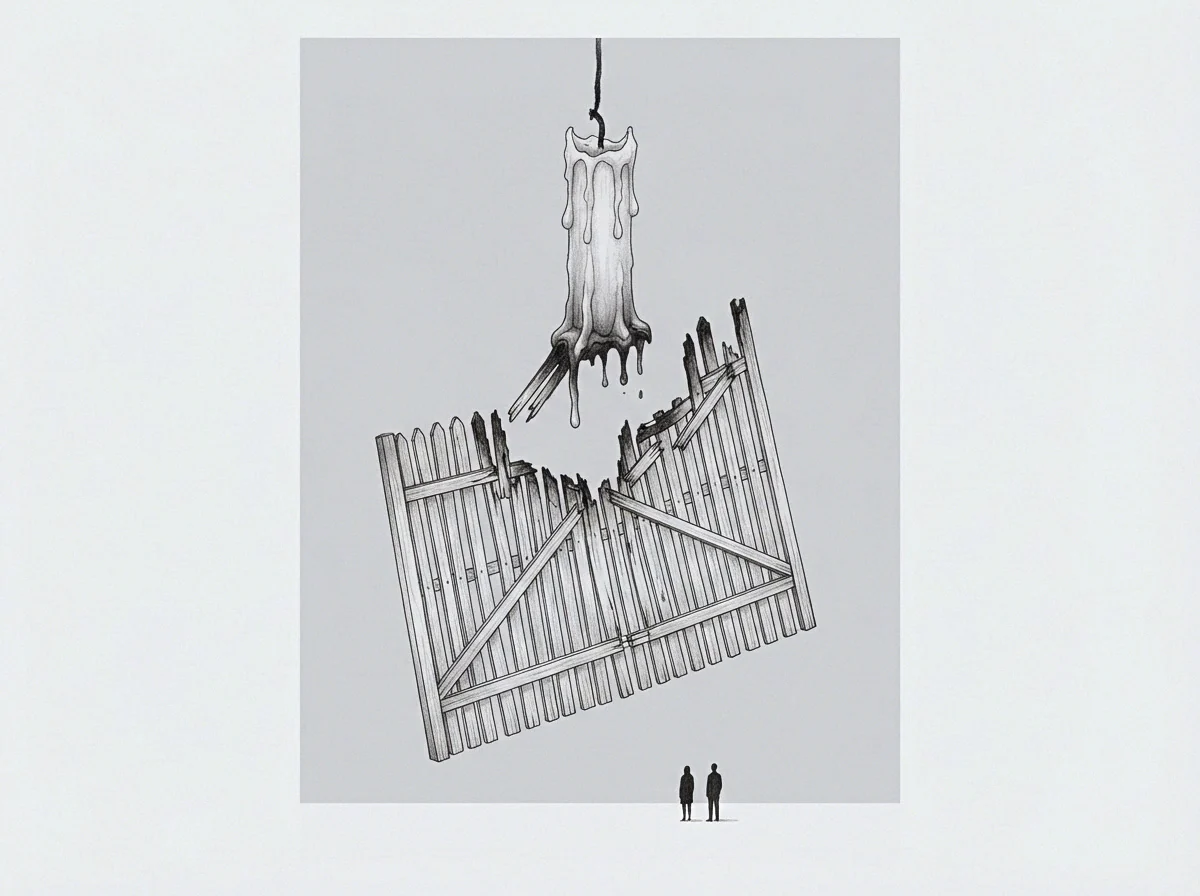
A capacity deficit designates a condition where an entity possesses insufficient operational resources to satisfy the requirements of a current commitment. The gap arises when the cumulative output potential of a system falls beneath the threshold established by incoming demand. This state forces an immediate reallocation of energy as existing buffers reach depletion.
Resource Allocation
Founders frequently identify this shortfall during rapid scaling periods when the internal engine fails to match market velocity. A lack of human hours or hardware capability creates a bottleneck that slows product delivery regardless of original projections. Discretionary attention then moves toward triage where non-essential tasks stop to preserve the primary output channel.
Systemic Drag
Organizations experiencing this phenomenon undergo a reduction in operational precision as team members absorb additional load to compensate for missing infrastructure. Constant reliance on overtime or improvised technical workarounds degrades the durability of the output itself. Quality standards drop because the mechanism lacks the overhead necessary to perform routine maintenance or verify complex results.
Operational Boundary
Performance thresholds dictate when a system transitions from a state of efficiency into a deficit. Precise monitoring of throughput against fixed input constants determines the exact point of failure for any given architecture. A capacity deficit remains an objective measurement of hardware or human exhaustion that persists until new investment expands the operational limit.