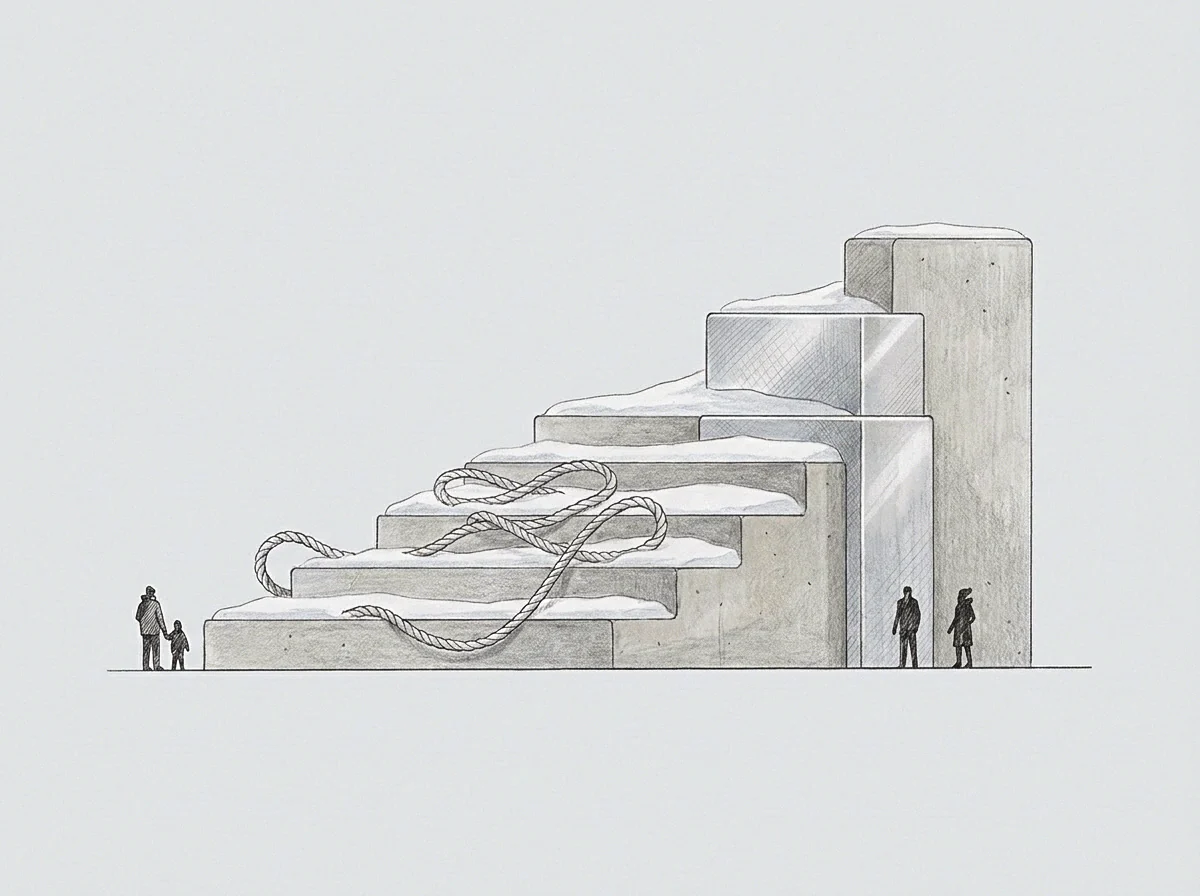
Meaning
Inactive equity holdings represent shares held by individuals who no longer contribute value to the venture. Founders often encounter capitalization table deadweight when early team members depart with large, vested chunks of stock. Passive holdings make the company less attractive to new investors who prefer equity to sit with active participants.
The presence of such shares limits the available pool for future hires and advisors.
Operational Friction
Friction arises when voting power rests with former employees who do not understand the current needs of the business. Managing capitalization table deadweight requires careful negotiation to buy back shares or convert them into non voting classes. Decisions stall when a significant portion of the ownership is unresponsive or hostile.
Recruitment Incentive
Recruitment suffers when future hires see a smaller share of the remaining equity because of these stagnant blocks of ownership. The capitalization table deadweight reduces the motivation for the current team to hit growth targets. Reallocating these shares becomes a priority during recapitalization events.
Correction Method
Companies solve the issue by using repurchase agreements or structured buyouts to reclaim the equity. A capitalization table deadweight removal process often happens right before a major funding round to clean up the record. Shareholders may agree to a reverse split or a new equity plan that dilutes the inactive holders more than the active ones.
The cleanup ensures that the rewards of success go to the people doing the work.