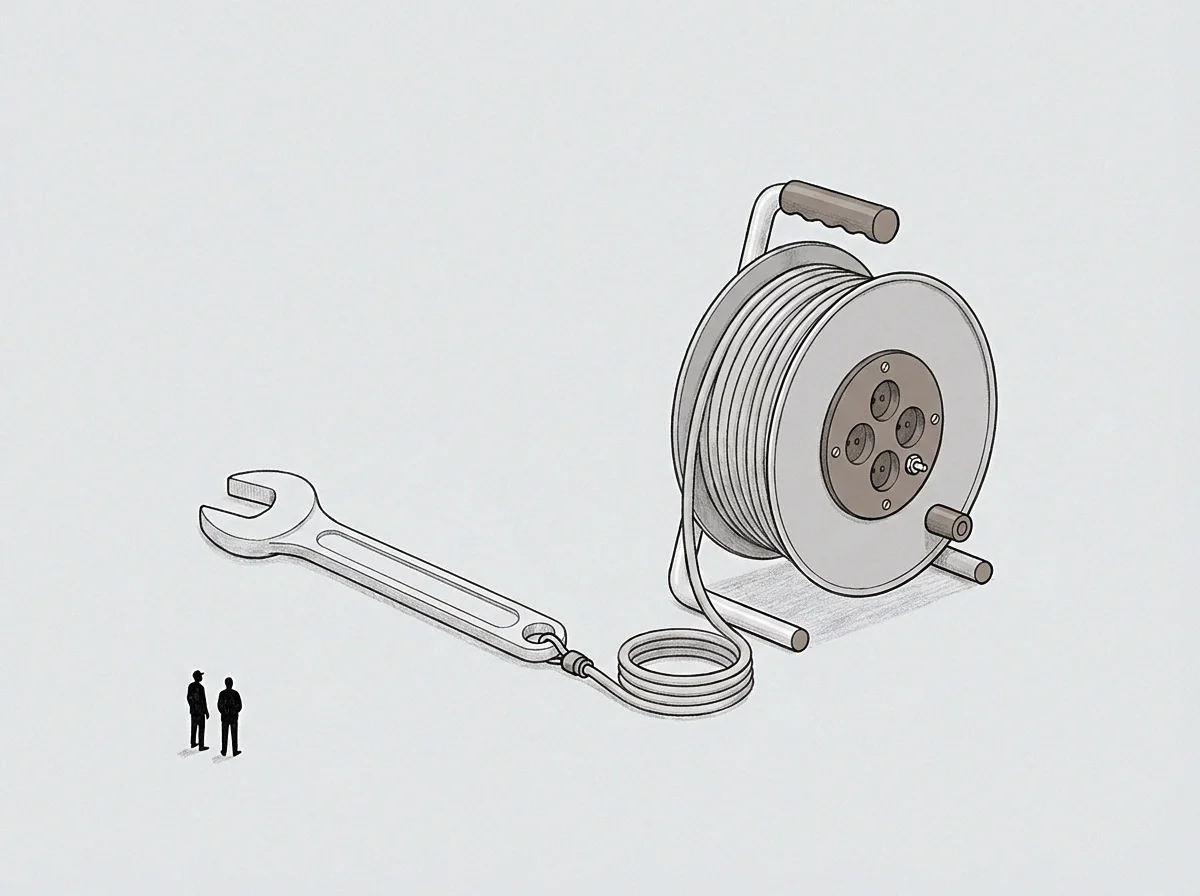
Meaning
Technical activities required to keep a software product operational and compatible over time represent an ongoing operational obligation for any technology venture. When founders transition from initial development to scaling, code maintenance consumes a measurable portion of engineering resources. This activity includes fixing bugs and updating libraries.
It ensures that the product remains functional as underlying platforms change. A disciplined team tracks the hours spent on these updates to measure the true operational cost of their tech stack.
Engineering Cost
Resource allocation for the ongoing preservation of software consumes hours that would otherwise go to new features. Tech debt rises when teams defer code maintenance to meet launch deadlines. Developers must then spend more time later to resolve dependencies and repair broken integrations.
This structural cost reduces the velocity of the product team over time.
Operational Risk
Neglecting these routine updates leads to security vulnerabilities and system downtime. The risk of code maintenance deferral grows larger as the user base expands. When dependencies become obsolete, the product becomes difficult to patch or modify.
The company faces increased support tickets and potential service disruptions.
Strategic Planning
Healthy product development cycles reserve a fixed percentage of each sprint for system upkeep. Allocating twenty percent of engineering time to code maintenance prevents the accumulation of technical debt. This continuous practice allows teams to scale the application securely and consistently.