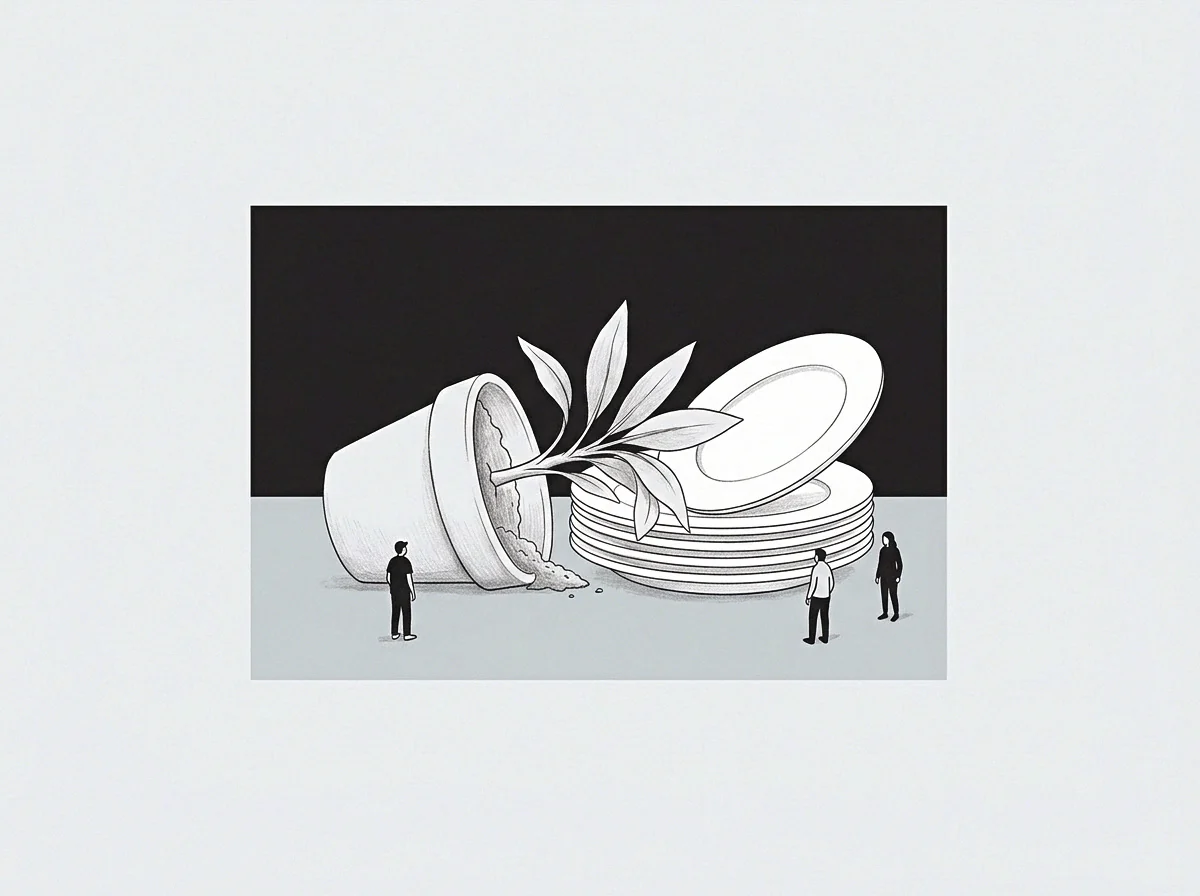
Meaning
Interpersonal friction within a leadership team constitutes a primary risk to organizational stability. A cofounder dispute often emerges from misaligned expectations regarding equity or decision-making authority. These disagreements typically surface when the venture reaches a milestone that requires a redistribution of power.
The boundary of the term is reached when the conflict moves from internal negotiation to formal litigation.
Structural Conflict
Misalignment of interests often stems from the initial division of responsibilities or the perception of unequal contribution. When one partner contributes more hours while another provides more initial capital, the lack of a clear framework for valuing these different inputs generates tension. The cost to the organization is measured in lost momentum and the diversion of attention from growth to internal mediation.
Parties may seek third-party intervention to prevent the permanent breakdown of the working relationship. This friction is frequently exacerbated by external pressures such as fundraising or market shifts that demand a change in the original plan. A resolution requires either a renegotiation of terms or the exit of a participant.
Resolution Mechanism
Formal agreements such as vesting schedules and buy-sell clauses provide a predefined path for settling disagreements. By establishing the price and process for a departure before a conflict arises, the firm protects its operational continuity. Clear communication channels ensure that small grievances do not accumulate into existential threats.
Outcome Severity
Failure to reach a consensus often leads to the departure of a senior leader or the total failure of the venture. The price of such a conclusion includes the loss of intellectual property and the damage to internal trust. Successful navigation of these moments allows for the recalibration of the team and the strengthening of the governance framework.