Meaning
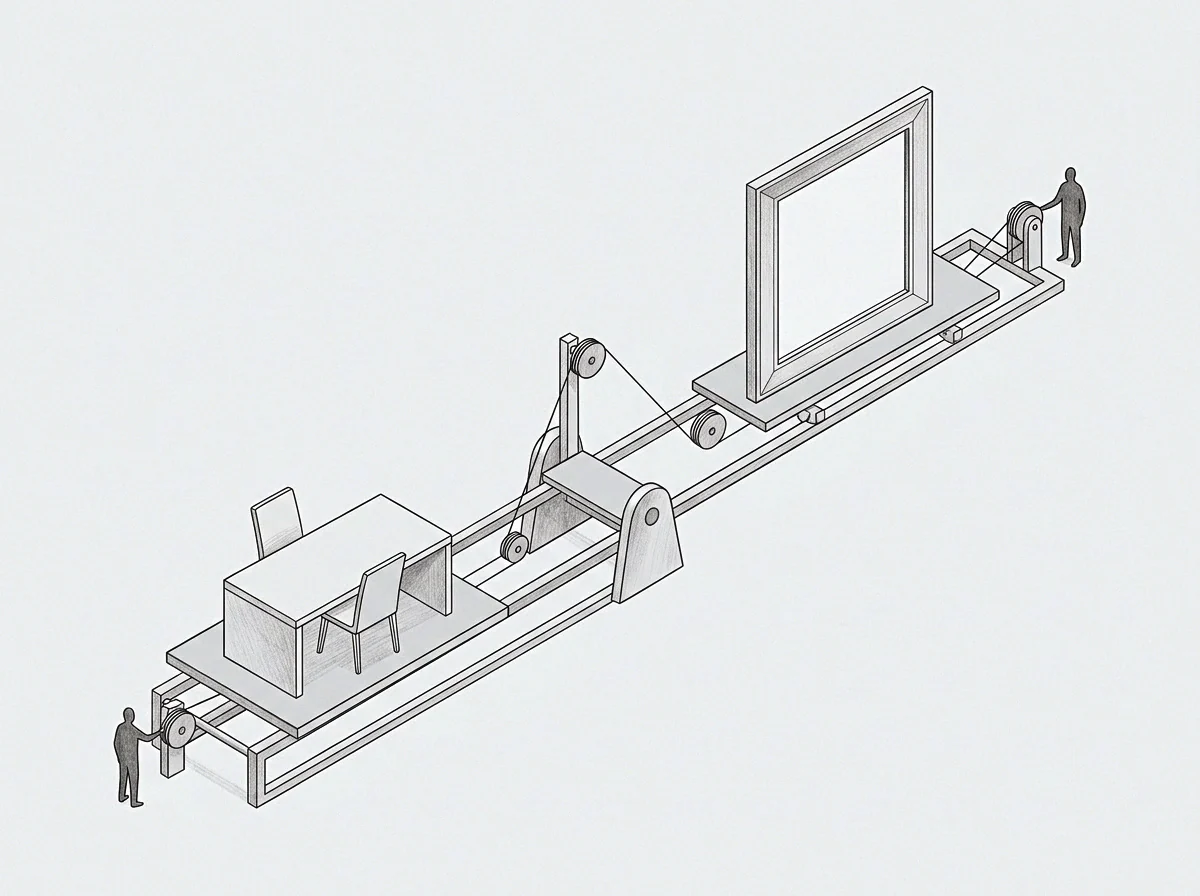
Equity distribution formulas that recalibrate proportion based on ongoing contributions establish a responsive framework for early participants. Dynamic equity allocation replaces static initial division agreements with numerical models that absorb newly logged hours, capital injections, and intellectual property transfers over time. Formulas assign relative weights to distinct inputs such as cash investments and operational hours, recalculating individual ownership slices periodically as contributors log further participation.
Ownership percentages shift continuously rather than remaining fixed at incorporation, reducing disputes when actual workloads diverge from original projections.
Valuation Mechanics
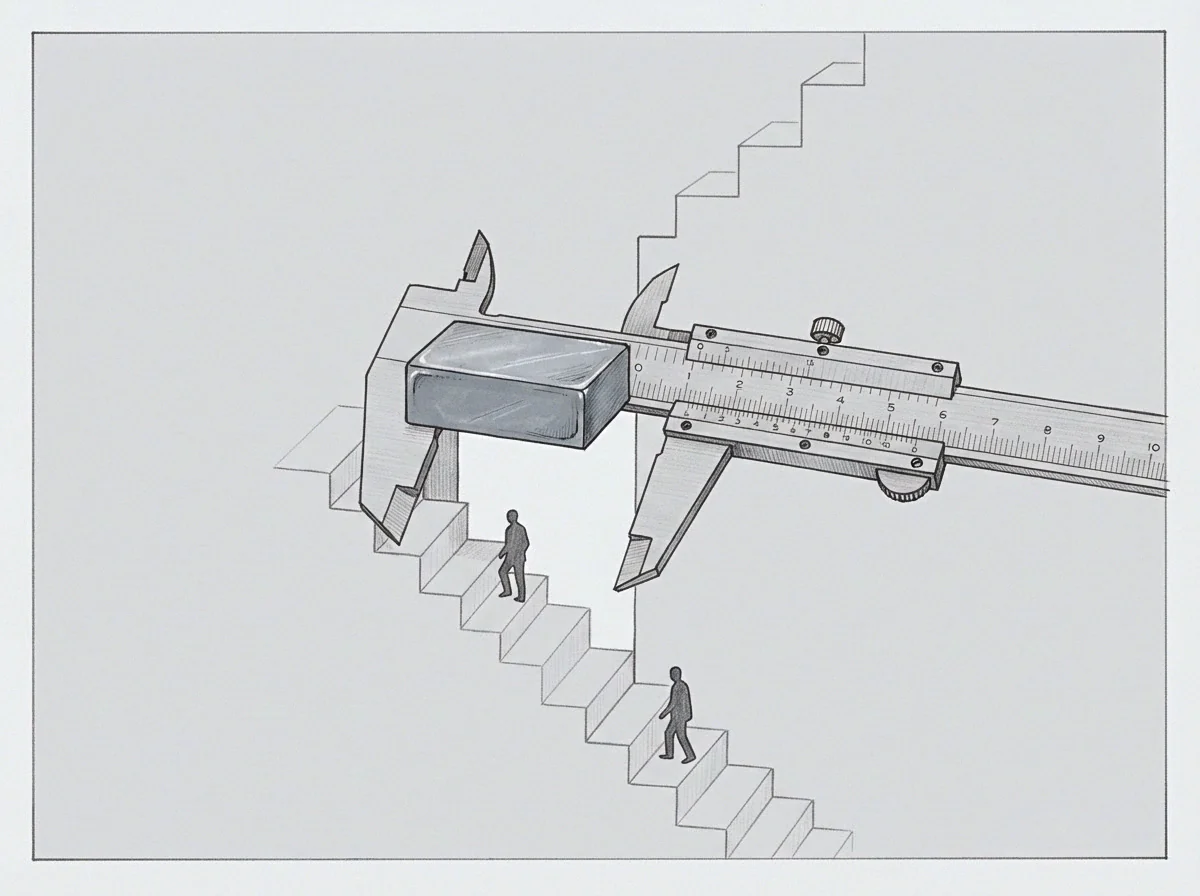
Mathematical models assign multipliers to different resource categories to reflect their relative scarcity and opportunity cost. Cash investments typically carry higher base multipliers than routine operational hours because money lacks liquidity during early stages and cannot be easily replaced by incoming labor. Contributors submit timesheets or documented milestones into a central ledger, and automated algorithms apply these weights to generate updated ownership fractions for every participant.
Contribution Volatility
Operational commitment fluctuates unpredictably as projects pivot or individual availability shifts due to external demands. Rigid division structures penalize participants who reduce hours after building core infrastructure, while flexible models automatically reduce future accumulation rates without stripping previously vested shares. Unscheduled departures trigger predefined recalculation protocols that calculate final ownership based strictly on weighted inputs recorded before the cessation date.
Vesting Friction
Time-based cliff periods interact with continuous ownership adjustments by establishing minimum duration thresholds before any recalculated percentage becomes permanent. Contributors earn permanent ownership slices only after clearing specific operational milestones or calendar durations, preventing premature departures from draining valuable equity from remaining active builders. Vesting schedules operate independently from calculation frequencies, meaning ownership fractions can fluctuate freely during active periods while specific tranches lock permanently upon reaching agreed temporal markers.