Meaning
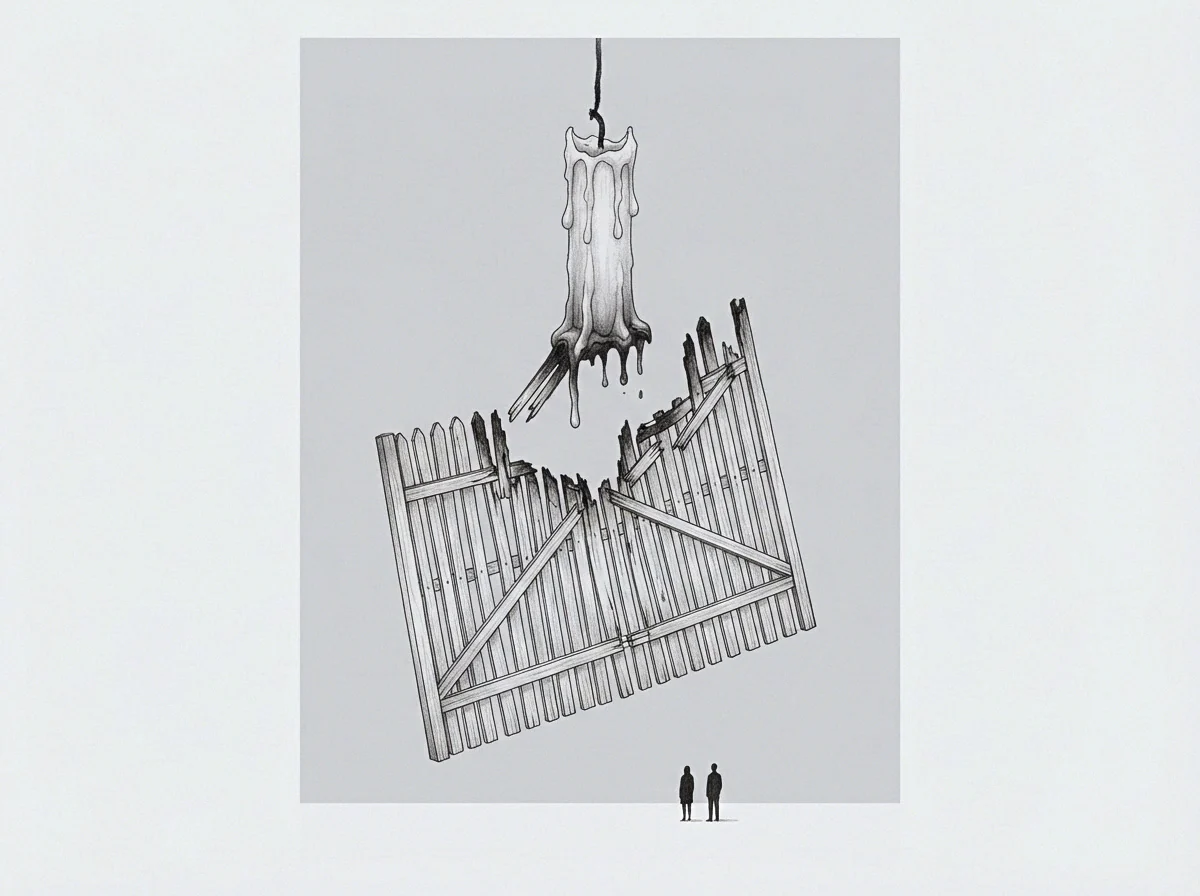
Steady reduction in the commitment and work output of a stakeholder over a prolonged period can disrupt the progress of a growing business. This phenomenon of effort atrophy often occurs when the initial excitement of founding fades or when the expectation of rapid success is replaced by routine administrative work. It manifests as a reduction in hours worked, a decline in product quality, or a withdrawal from strategic leadership responsibilities.
Gradual Decline
Team members who previously dedicated their full energy to the early-stage venture may begin to divert their attention to external opportunities. This effort atrophy typically occurs when there is a perceived mismatch between the workload and the remaining equity rewards. When one individual reduces their commitment, the burden of day-to-day operations falls onto the remaining team members, which can create significant tension.
If left unmanaged, this decline in focus can halt the momentum of the company and lead to a loss of team morale.
Incentive Alignment
Performance-based vesting schedules and milestone-based equity awards are designed to prevent this reduction in work ethic. By tying continued stock ownership to active participation and performance metrics, the organisation ensures that incentives remain aligned. These agreements give the company a mechanism to recover equity if a member stops contributing.
Operational Remediation
Regular reviews of individual output and responsibility areas help teams identify drops in performance early. Open discussions can sometimes resolve the underlying issues, such as burnout or a lack of clear goals. If these efforts fail, a structured exit process remains the best path to protect the company.