Meaning
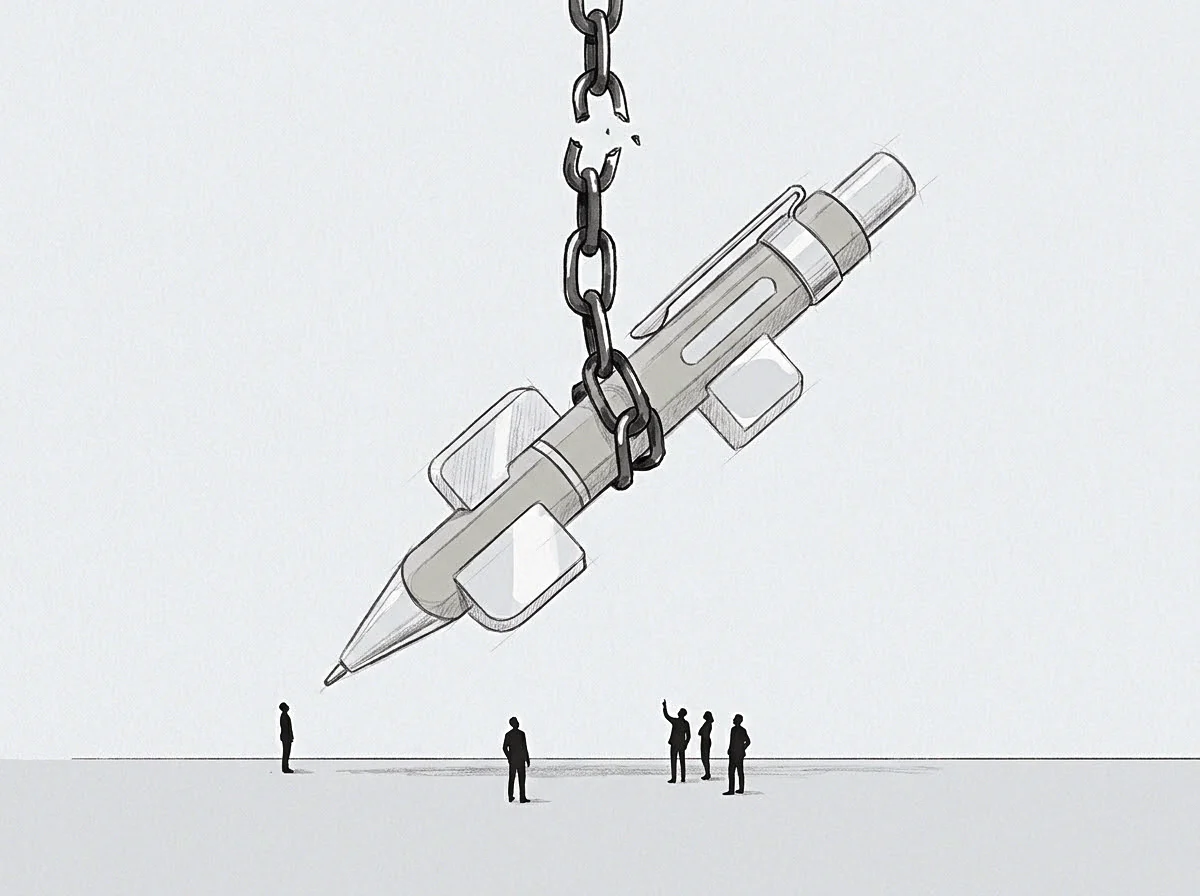
A voluntary surrender of shares by a shareholder returns ownership back to the company pool to facilitate new hires or attract funding. Through equity relinquishment, early participants help the venture manage its capitalization table when the option pool is depleted. This surrender occurs without cash compensation, serving as a rebalancing tool during corporate restructuring.
The company absorbs the shares to distribute them to incoming executives.
Capital Optimization
Recycling shares within the business avoids the dilution that would occur if the company issued entirely new stock. This method of equity relinquishment ensures that the total number of outstanding shares remains stable during executive transitions. Existing investors maintain their proportional ownership while the startup gains the capacity to recruit top-tier talent.
The strategy optimizes the cap table for future expansion.
Reciprocal Benefit
Founders who return shares often do so to secure the long-term viability of the venture. While equity relinquishment costs the individual contributor a portion of their potential payout, it increases the value of their remaining shares by enabling the company to hire critical leadership. This action represents a trade-off between individual share quantity and overall company valuation.
It reflects a commitment to the growth of the collective enterprise, ensuring the business has the resources to execute its strategy.
Valuation Influence
Minimizing share dilution helps maintain a clean cap table, which appeals to later-stage investors who analyze the startup’s equity efficiency. Although equity relinquishment is rarely a requirement, it is a tool used when a team must adapt to changing resource demands.