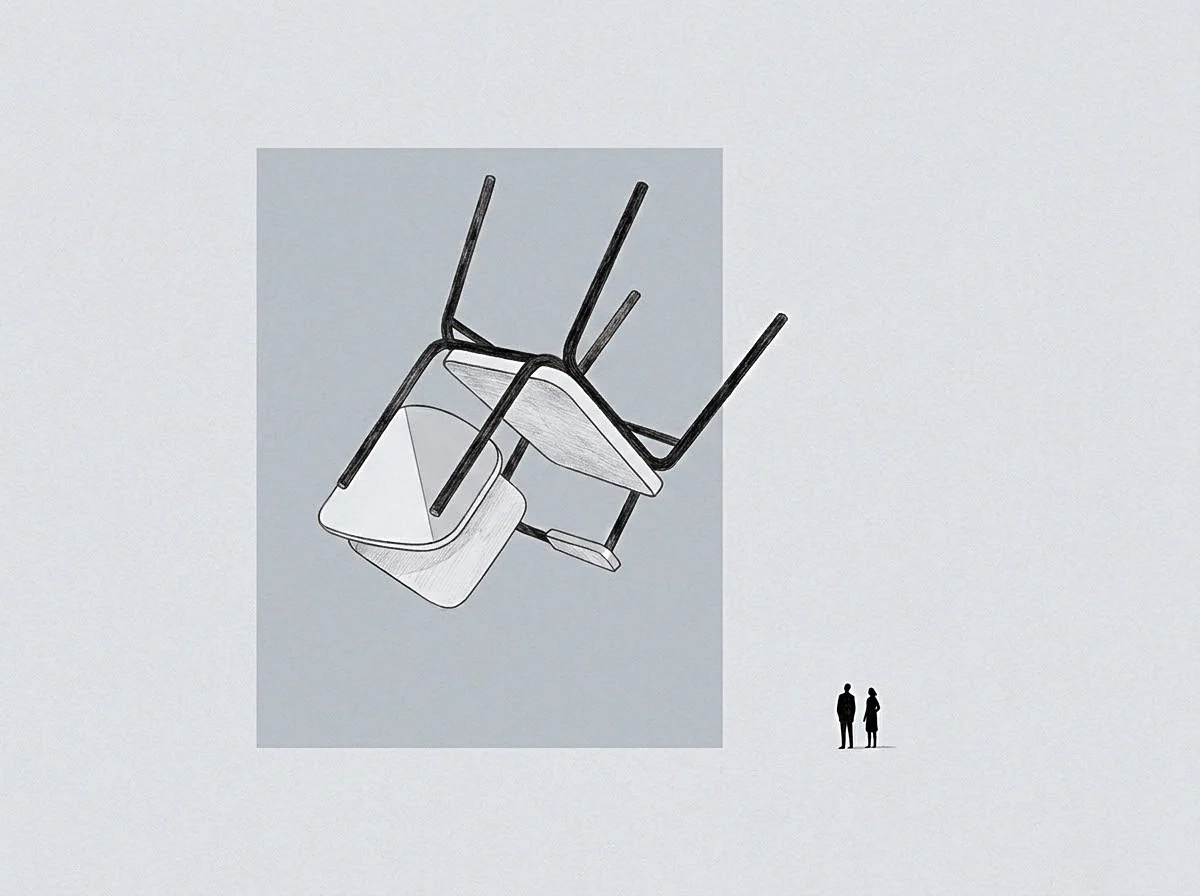
Meaning
A temporal threshold delays the initial transfer of ownership rights until a specific duration of service or a milestone is reached. The equity vesting cliff ensures that a participant demonstrates a minimum level of commitment before they receive any permanent claim on the assets of the organization. It establishes a binary state where a person either leaves with nothing or achieves their first substantial block of shares.
Incentive Guardrail
Retention of talent becomes the primary goal during the first year of a new venture. The equity vesting cliff discourages early departures by making the cost of leaving before the threshold very high for the individual. Because no shares are granted incrementally during this period, the recipient must remain active to realize any value.
This structure protects the firm from granting equity to those who only stay for a few months. It forces a period of mutual evaluation between the organization and the new hire before any permanent transfer of wealth occurs.
Forfeiture Consequence
Departure before the specified date results in the total loss of the unvested portion of the grant. The equity vesting cliff acts as a filter that separates long-term builders from short-term contributors. When an individual leaves at month eleven of a twelve-month period, they forfeit the entire amount.
This outcome reinforces the necessity of meeting the full term of the agreement.
Capital Efficiency
Shares that remain unvested return to the option pool for future use by the company. Using an equity vesting cliff allows the board to reallocate those shares to a replacement without diluting other holders. This mechanism preserves the equity for those who survive the initial pressure of the founding stage.