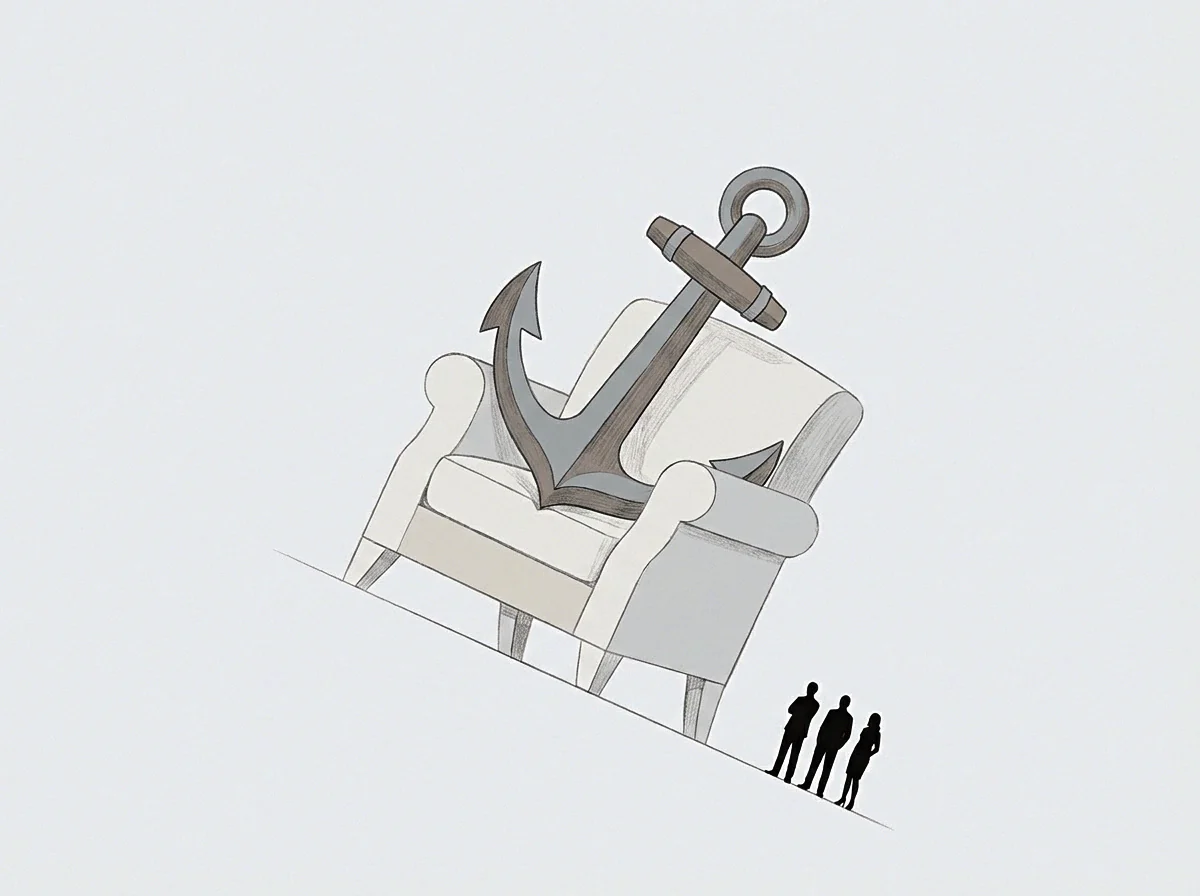
Meaning
Professionalization of the relationship between a leader and the organization involves the adoption of standardized policies for performance, conduct, safety and liability. This executive formalization ensures that the leadership team operates under the same rules as the rest of the workforce. It includes the purchase of directors and officers insurance to protect the individuals from personal loss.
Trust is supplemented by systems. The process reduces the reliance on personal relationships and replaces it with documented procedures.
Policy Integration
Codifying the rules for travel, expenses and procurement prevents conflicts of interest. Through executive formalization, the company creates a handbook that governs how leaders interact with subordinates and outside vendors. These rules are essential for maintaining a culture of fairness and for satisfying the requirements of external auditors.
Liability Protection
Indemnification agreements are signed to clarify the company’s obligation to cover legal costs for actions taken in good faith. Without executive formalization, a leader might be personally exposed to lawsuits resulting from corporate decisions. This protection is a standard part of a professional executive package and is often a prerequisite for hiring external talent.
Administrative Rigor
Documentation for every major decision is filed in a way that allows for easy retrieval and review. During executive formalization, the company adopts a schedule for board meetings and a standard format for reporting financial results. This structure allows the board to provide effective oversight and support for the leadership team.