Meaning
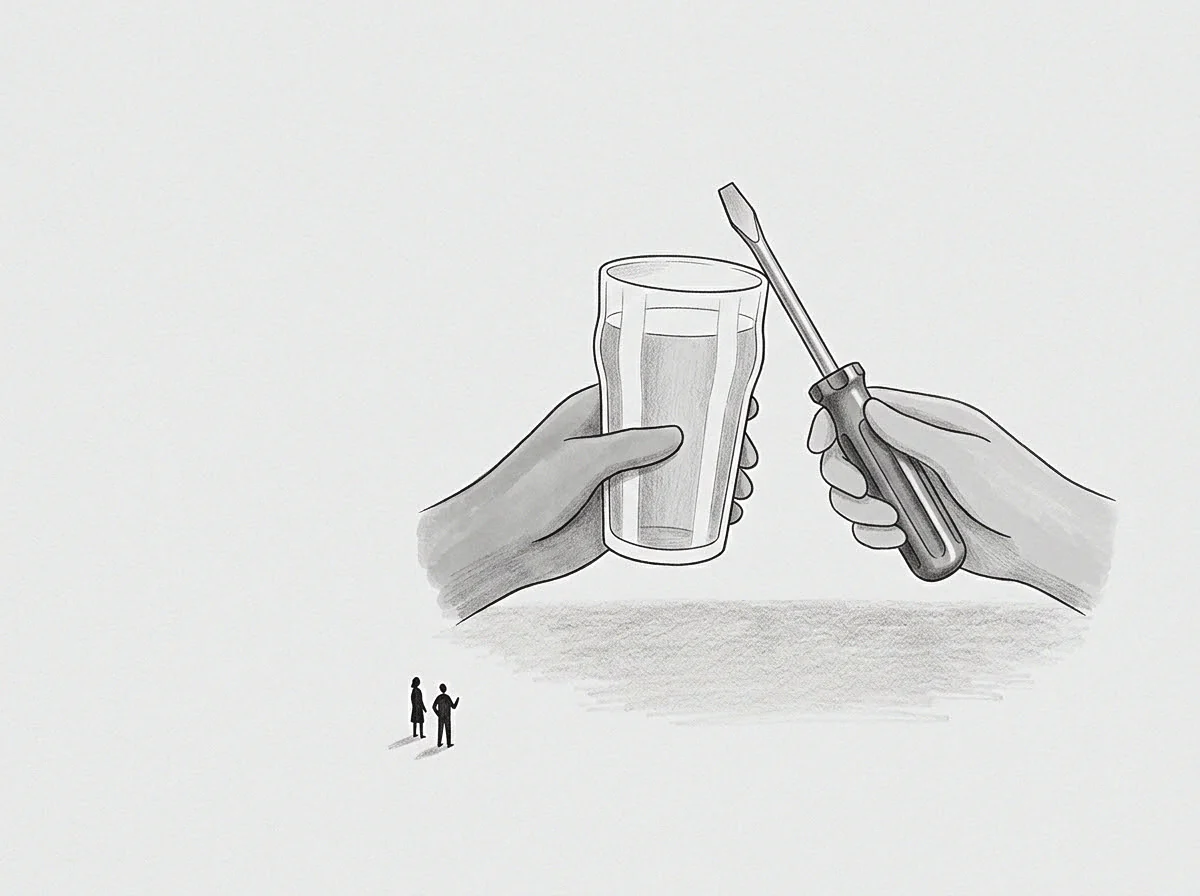
Gradual shift in the perceived obligations or predicted outcomes within a professional partnership. Persistent expectation drift occurs when communication fails and parties begin to operate under different assumptions regarding their roles or the direction of the venture. Misalignment grows over time and often leads to friction during the execution of shared tasks.
Cognitive Divergence
Founders often interpret the same goals in different ways based on their individual backgrounds. This expectation drift happens silently as team members make small adjustments to their daily priorities without consulting their partners.
Relational Friction
Disputes arise when the actual performance of a partner does not match the unwritten requirements of the other. Addressing expectation drift requires a return to the original agreement or the creation of new terms. These conversations are difficult because they involve acknowledging that the initial understanding has become obsolete.
Correction Mechanism
Regular reviews of the partnership goals help to bring everyone back into alignment. Dealing with expectation drift involves documenting current duties and comparing them to the historical record. If the gap is too large the parties may need to renegotiate their roles or consider a restructuring of the venture.
This process requires honesty about the capacity and the commitment of each individual. A failure to address the divergence can lead to the permanent breakdown of the professional bond and the loss of the original vision. Frequent communication acts as a preventative measure against the slow accumulation of misunderstandings.