Meaning
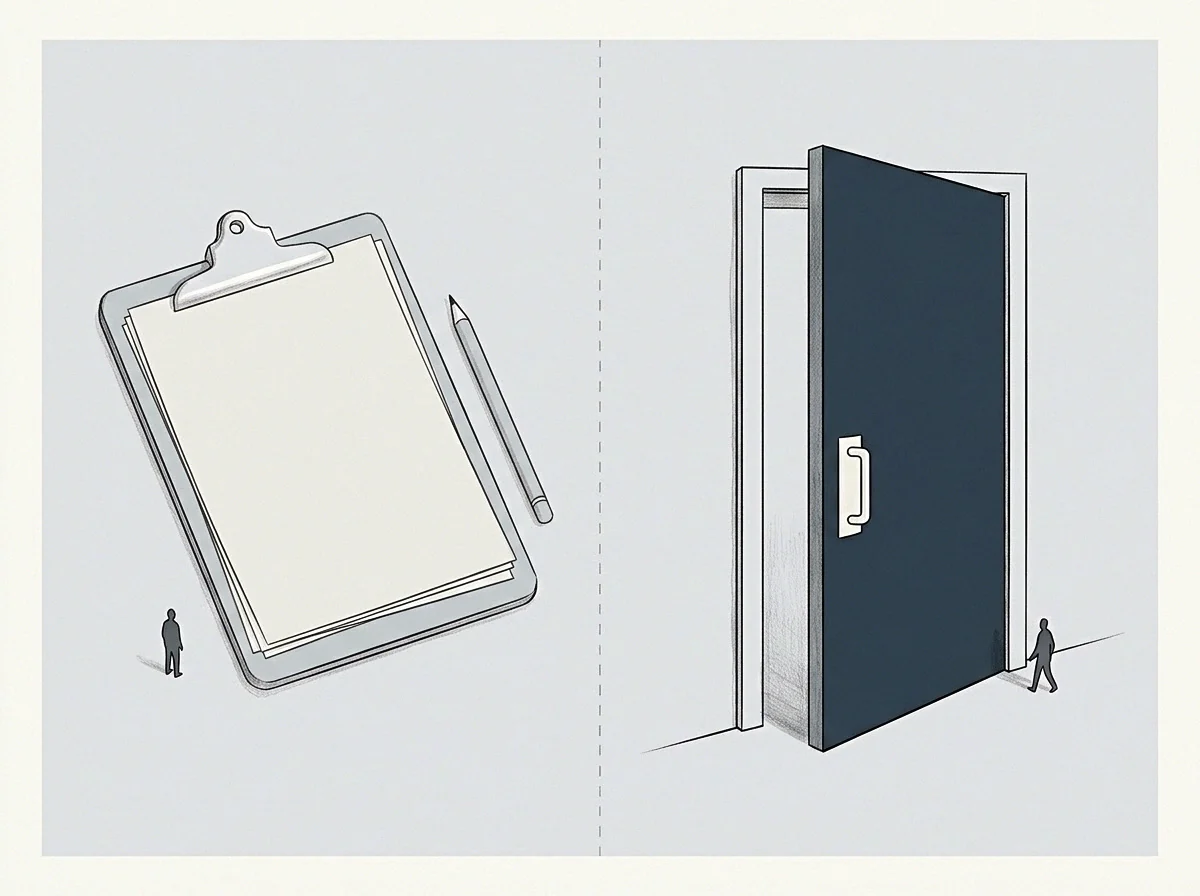
The formal exit of a creator from a young company due to strategic misalignment, personal choices or performance issues is a common event in early corporate lifecycles. These events are categorized as founder departures, and they require careful legal and operational management to avoid destabilizing the business.
Operational Continuity
Managing the transition requires a transfer of responsibilities and a clear plan for the remaining team to absorb the departing member’s workload. During founder departures, the board must reassign core contacts, transition system administrative access, and manage the communication of the departure to the wider public and to internal team members. This systematic transition reduces operational disruption and ensures that clients and partners do not lose confidence in the venture’s stability.
It also prevents the loss of proprietary knowledge by requiring a formal offboarding and handoff process before the individual leaves.
Equity Adjustment
Redistributing the remaining unvested shares of the exiting partner represents a necessary legal task. Depending on the cause of the exit, the company may buy back unvested shares or leave them in the general pool for future hires. This financial restructuring protects the cap table from holding inactive stakeholders who no longer contribute to the firm’s progress.
Strategic Realignment
Rebuilding the core team’s focus after a departure is necessary for long-term growth. This moment offers an opportunity to reassess the firm’s strategic goals and reallocate leadership roles. This realignment helps the business move forward with a unified vision and renewed energy.