Meaning
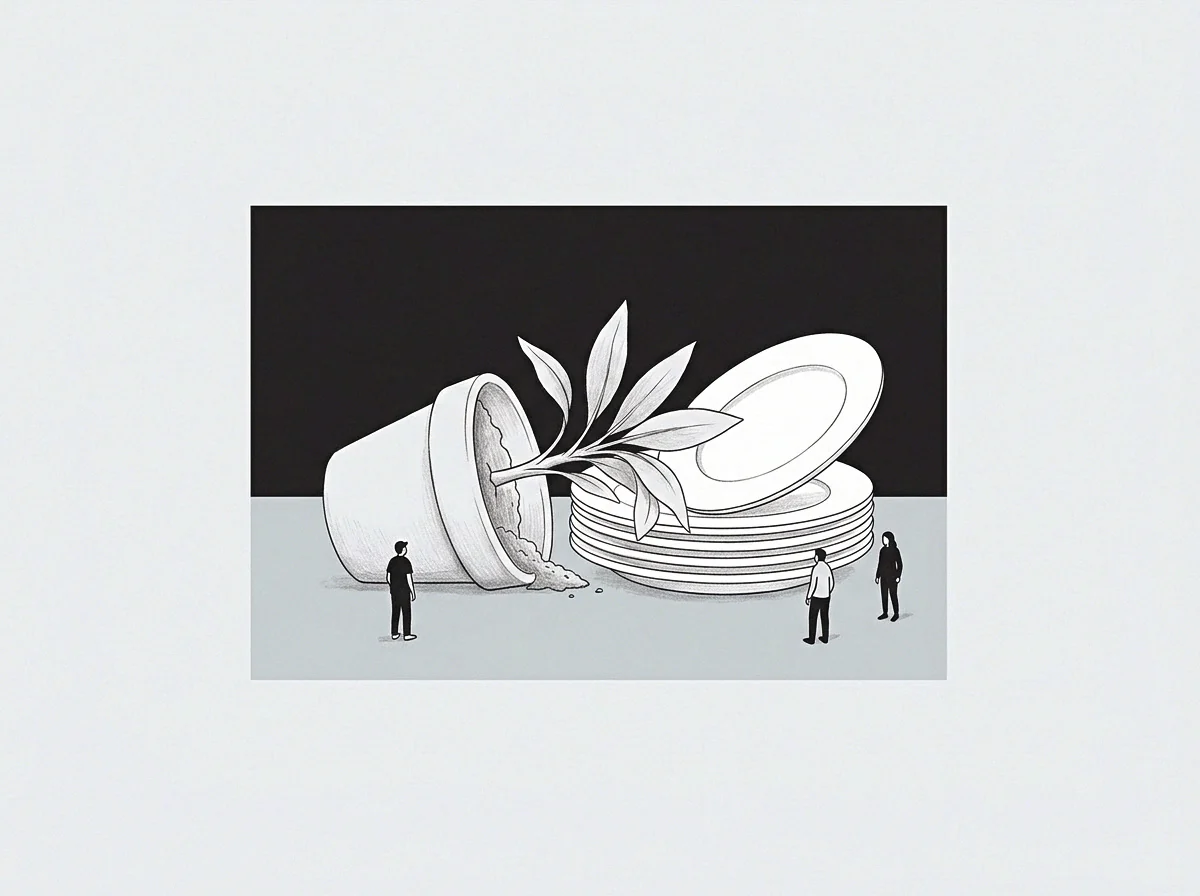
Sudden failure of the decision making structures within a board or executive team halts the operational momentum of a firm. Such a governance rupture occurs when the established rules for conflict resolution are ignored or superseded by unilateral action. This state marks the transition from a functioning partnership to a contested entity where authority is unclear.
It terminates when a new power structure is ratified or the organization ceases to exist.
Systemic Failure
Breakdown of the consensus model occurs when a minority of the board attempts to force a pivot without full support. This collapse of internal trust makes it impossible to approve budgets or execute contracts. The firm enters a period of paralysis where no senior leader has the mandate to act.
Communication between the executive team and the shareholders often stops entirely during this phase. External observers perceive the instability, which often results in the immediate withdrawal of credit lines or the loss of key partnerships.
Recovery Protocol
Restoring order requires a clear identification of the source of the breakdown and a return to the bylaws. Neutral third parties may be brought in to mediate between the factions and establish a temporary path forward. This process involves the resignation of the obstructing parties or a complete overhaul of the board composition.
Structural Breakdown
Long term survival depends on the ability of the organization to codify its internal processes before a crisis emerges. The price of a failed resolution includes the loss of intellectual property and the damage to internal trust. Each failure provides a lesson in the necessity of clear boundaries and documented authority.
Long term survival depends on the ability of the organization to codify its internal processes before a crisis emerges.