Meaning
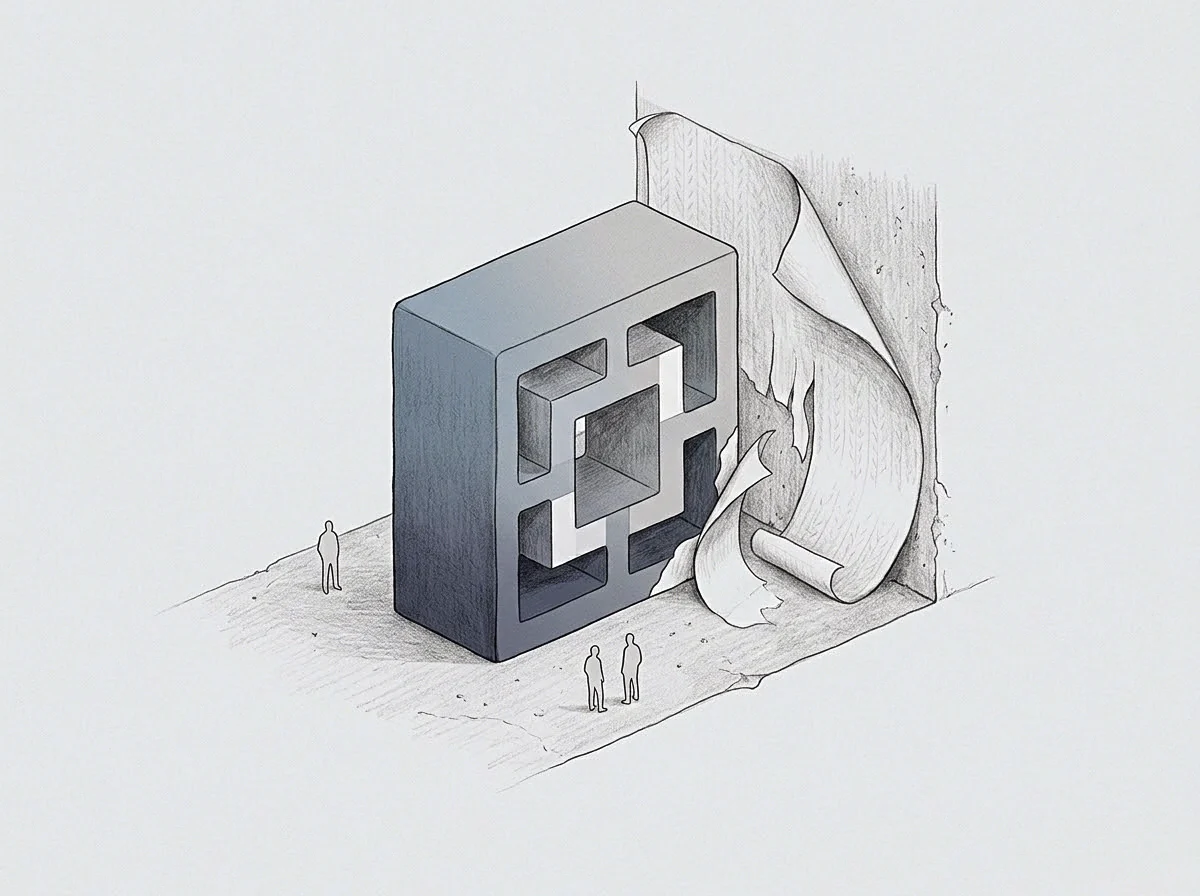
Internal divergence occurs when departmental units divert centralized resources to serve immediate sub-group priorities rather than the broader strategic objectives of the firm. Such local power capture allows a single team to optimize for its own success at the expense of the larger organization. It creates a fragmented environment where silos protect their own interests.
Resource Diversion
Managers often build private stores of budget or talent by overestimating their requirements during the planning phase. Through local power capture, these leaders insulate their teams from corporate changes and maintain a surplus of capacity. This hidden slack allows the unit to survive a crisis but prevents the company from moving resources to where they are needed most.
The practice is often hidden within complex project budgets.
Administrative Cost
The maintenance of a private power base requires constant political negotiation and information shielding. This effort consumes the mental energy of the department head and reduces their contribution to the collective leadership. The receiver of the captured power gains local stability but loses the benefit of integrated firm-wide growth.
Structural Shield
Protective barriers around a team only hold as long as the unit can show a basic level of performance. If a department fails to meet its primary targets, local power capture is quickly exposed during a performance review. The transparency provided by shared digital tools makes it harder to hide resources for long periods.