Meaning
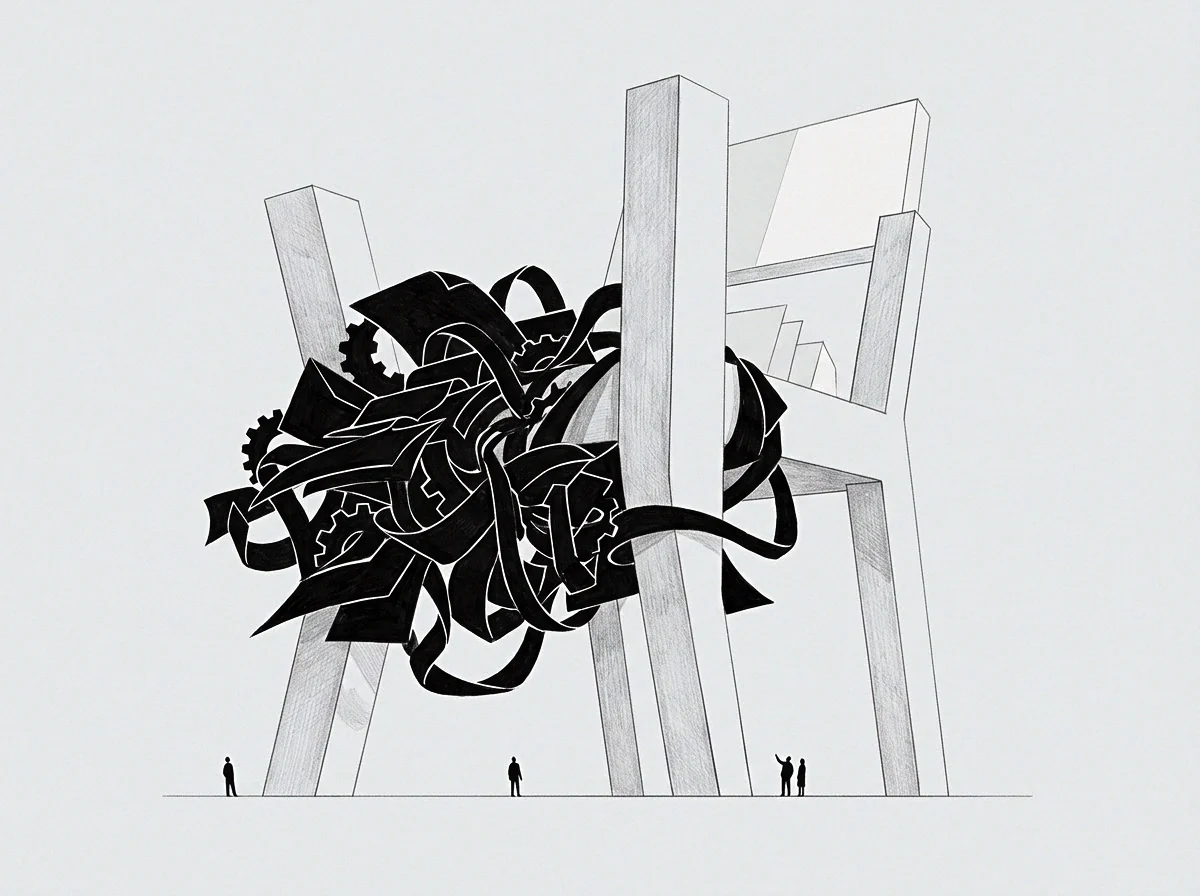
A liability arrangement shifts the risk of corporate debt directly onto an individual director or shareholder. This personal guarantee functions as a legal instrument where the signatory assumes responsibility for repayment should the organization fail to satisfy its obligations. It removes the protection of limited liability for the specified debt, creating a direct claim against the assets of the person who signed the document.
Liability Structure
Creditors request these promises when a new company lacks the historical performance data to secure conventional credit terms. The signatory agrees to pay the outstanding balance if the entity defaults, meaning the individual capacity for payment replaces the firm as the primary security for the loan. Lenders rely on this private backing to extend capital that a standalone venture could not otherwise obtain.
Contractual Duration
Specific conditions dictate the lifespan of the obligation once the document receives a signature. The duty persists through the life of the loan unless a formal release occurs or the debt reaches a total discharge. Many agreements include clauses that bind the signer even if the entity changes ownership, unless the incoming party renegotiates the terms directly with the creditor.
Enforcement Mechanism
Asset recovery moves against the personal holdings of the signer upon a failure of the borrower to honor the original schedule. These claims allow the holder of the instrument to initiate collection processes against private property or bank accounts without a separate demonstration of corporate insolvency. A signed indemnity clause acts as the final evidence that authorizes this transfer of obligation.