Meaning
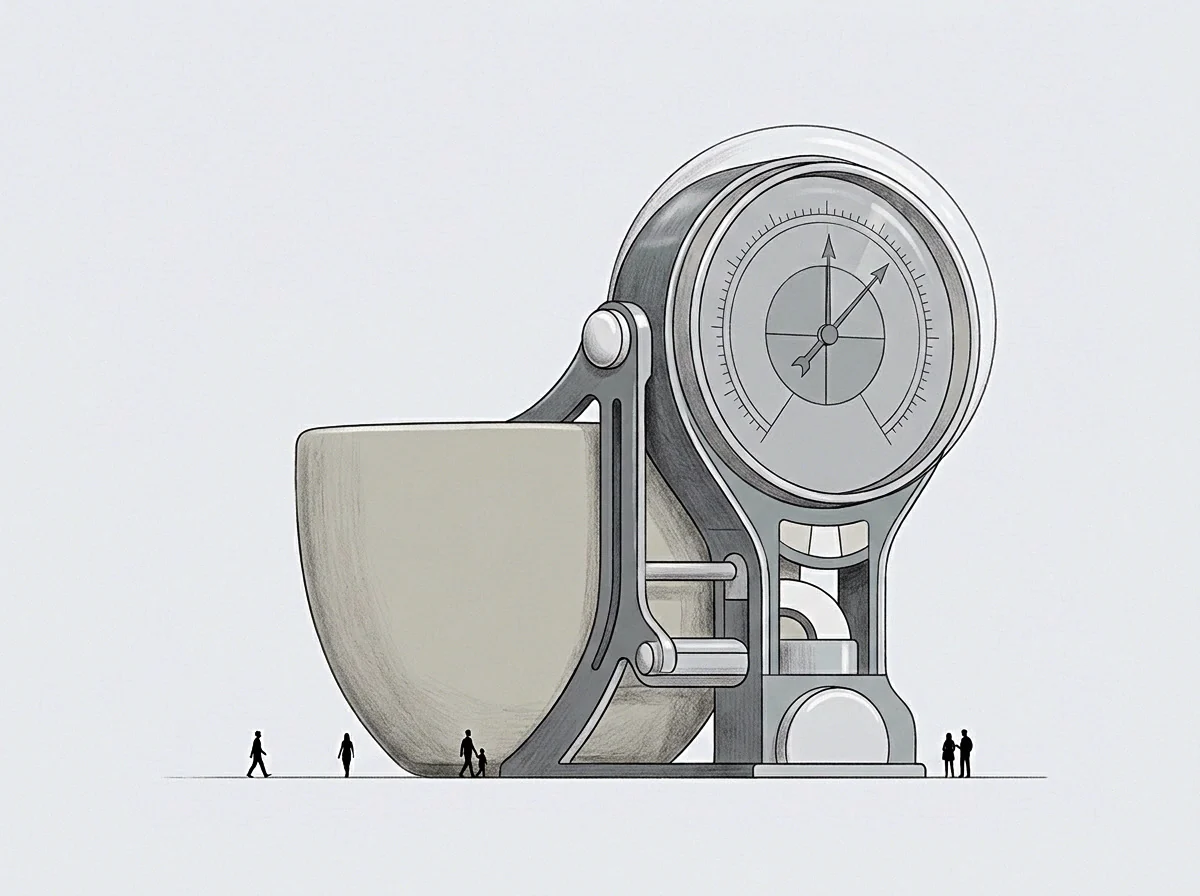
A dynamic ledger tracks relative contributions of time and money using a unit-based system rather than fixed percentages. A point pool functions by assigning a specific number of points to various types of input, such as one point for an hour of work or one hundred points for a thousand-dollar loan. The ownership percentage of each person is their share of the total points currently in the system.
Unit-based systems are used until a liquidity event or a funding round freezes the cap table.
Allocation Rule
The founding team must agree on what counts as a point-earning activity before the work begins. Within a point pool, different types of labor might be weighted differently based on the skill level required. Technical development might earn more points per hour than basic administrative tasks.
Written agreements must be signed to prevent retrospective changes to the rules.
Dilution Impact
Every time a new point is earned, the value of every existing point is mathematically diluted. Unlike traditional equity where dilution only happens during new funding, a point pool experiences constant minor shifts as people work or spend money. Dynamic adjustments create a natural alignment between effort and reward.
This encourages continuous participation because someone who stops working will see their percentage slowly shrink as others continue to earn points.
Conversion Event
Points must eventually be turned into actual shares of stock. This usually happens when the company reaches a specific revenue goal or closes a professional investment round. The final distribution is calculated by dividing the individual’s points by the total pool.