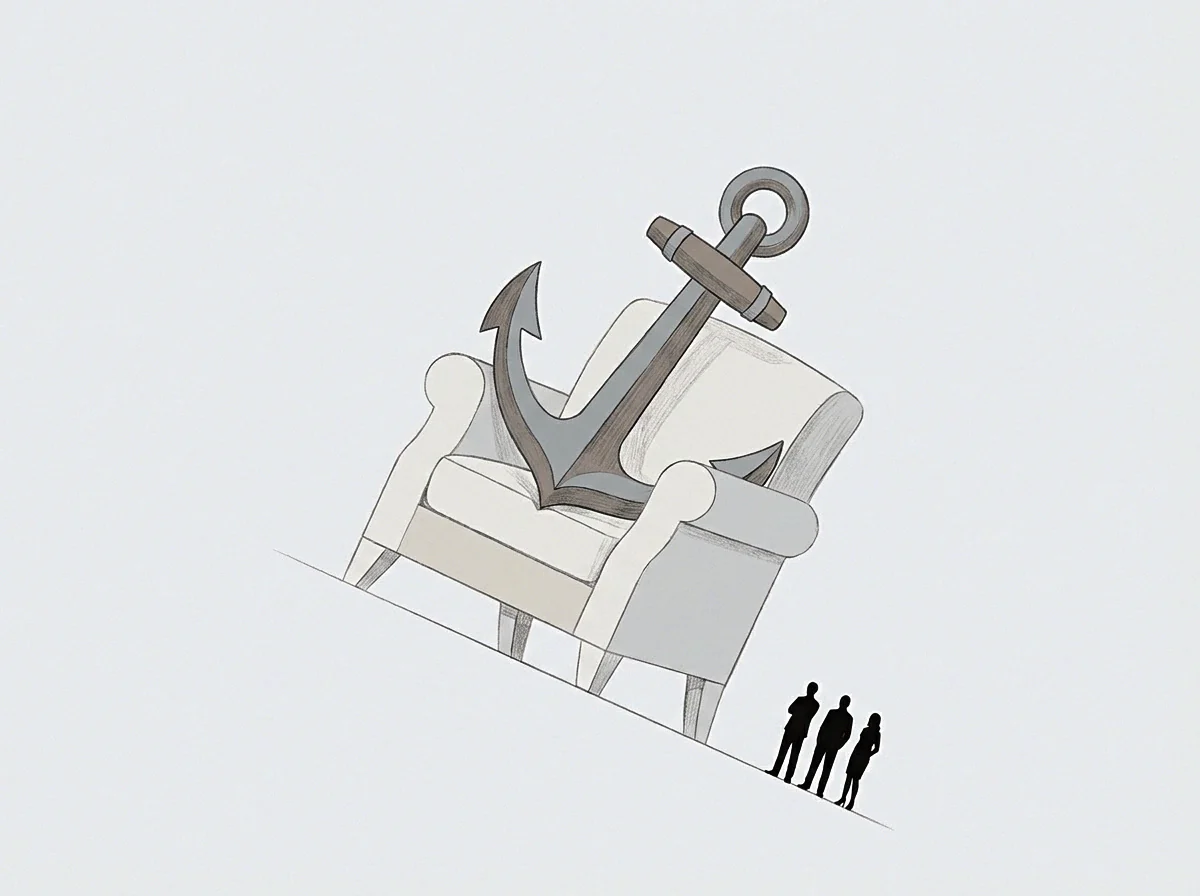
Meaning
The organizational tension that arises when a startup shifts from informal founder-led habits to structured corporate processes represents a natural hurdle in growth. This professionalization friction shows itself through resistance to new hierarchies, reporting lines, and compliance procedures. It occurs as the original builders feel their creative autonomy restricted by the introduction of specialized executives and formal governance.
The phenomenon can lead to temporary declines in productivity and morale.
Cultural Impact
Early employees often experience a sense of loss as the intimate culture of the startup gives way to departmental boundaries. They may view the arrival of external managers as a vote of no confidence in their own abilities. This perception can foster resentment and lead to higher turnover among the founding team.
The challenge lies in introducing necessary discipline without destroying the entrepreneurial spirit that drove the initial success.
Operational Delay
The implementation of new policies can slow down the daily decision-making processes. Founders must learn to delegate authority and wait for formal approvals rather than acting on instinct. This period of transition often involves the creation of written handbooks, standard operating procedures, and automated workflows.
These changes require hours from the staff, which distracts them from their primary operational duties.
Leadership Adjustment
To resolve the conflict, the founder must transition from a hands-on manager to a strategic leader. This shift demands a willingness to trust external hires to run daily operations. It allows the creator to focus on long-term strategy and investor relations.