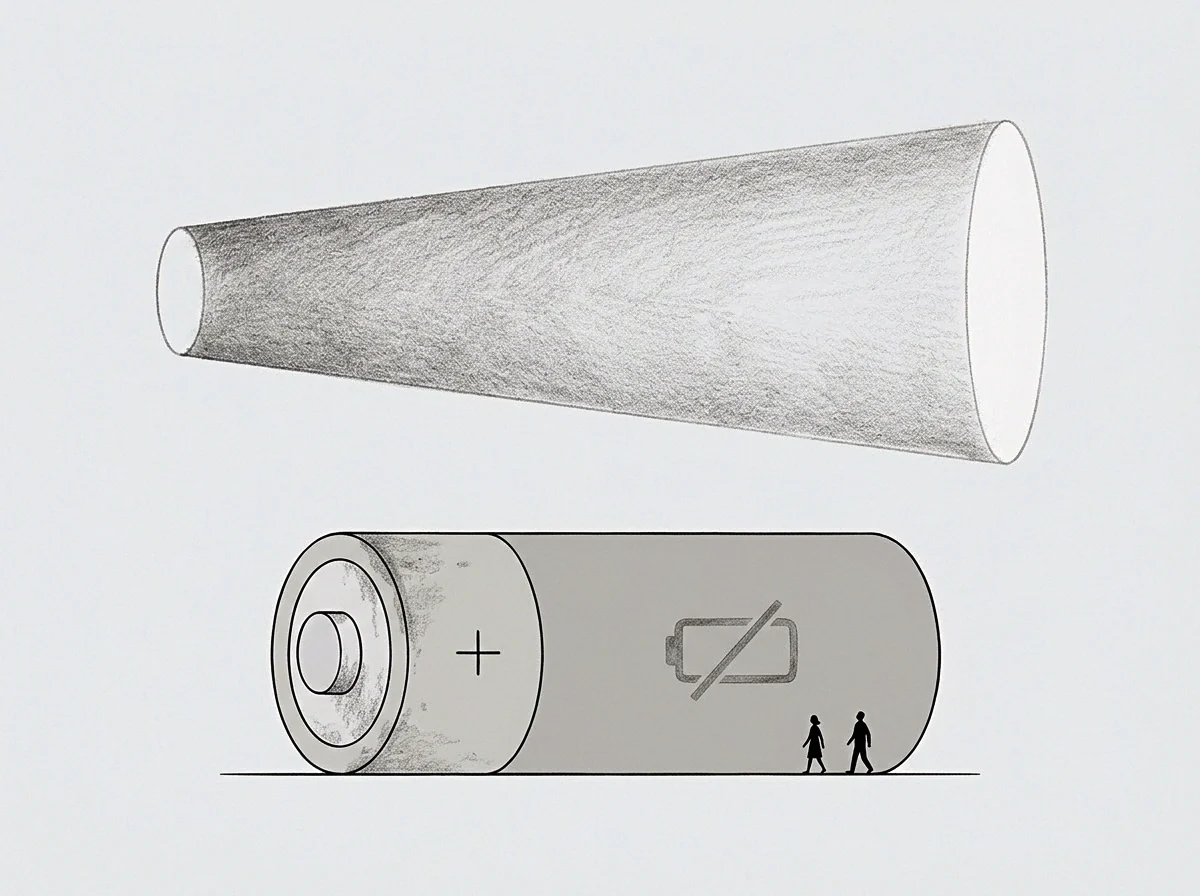
Meaning
Exclusive authority over a specified asset or output defines property rights in the architecture of corporate exchange. Legal exclusion allows a founder to restrict access, transfer control, or extract financial return from a specific creation without ongoing renegotiation. This mechanism establishes a boundary between shared operational resources and private equity, dictating who bears the loss when an asset depreciates.
Ownership ceases at the jurisdictional limit where statutory recognition fails or where contract terms explicitly surrender control to a counterparty.
Boundary Enforcement
Operational security requires continuous investment of administrative hours and legal fees to maintain clear title against competing claimants. Founders spend capital on registration filings and non-disclosure enforcement to preserve the exclusivity of their tangible and intangible holdings. Protection costs scale with the number of jurisdictions entered, consuming scarce capacity that could otherwise fund product development.
External parties challenge these boundaries through patent oppositions or competing ownership claims, forcing the holder to litigate or surrender a portion of equity.
Transfer Mechanics
Commercial agreements rely on divisible rights rather than whole ownership transfer to manage risk between collaborating entities. Licensing arrangements convey specific privileges to use a proprietary asset while retaining the underlying title with the original creator. This separation permits multiple non-competing firms to utilize the same intellectual property simultaneously under defined royalty schedules.
Revenue collection depends entirely on the precision of these contracted boundaries, because vague clauses invite unauthorized use and drain expected cash flow.
Asset Valuation
Future earnings potential determines the market price of an asset when owners negotiate a sale or external investment round. Buyers discount the nominal value of a holding based on the remaining duration of statutory protection and the probability of successful infringement litigation. Capital allocation decisions hinge on whether internal development or external acquisition yields a higher return on invested hours.
Exclusive control over scarce productive capacity dictates the survival of the enterprise when market demand contracts.