Meaning
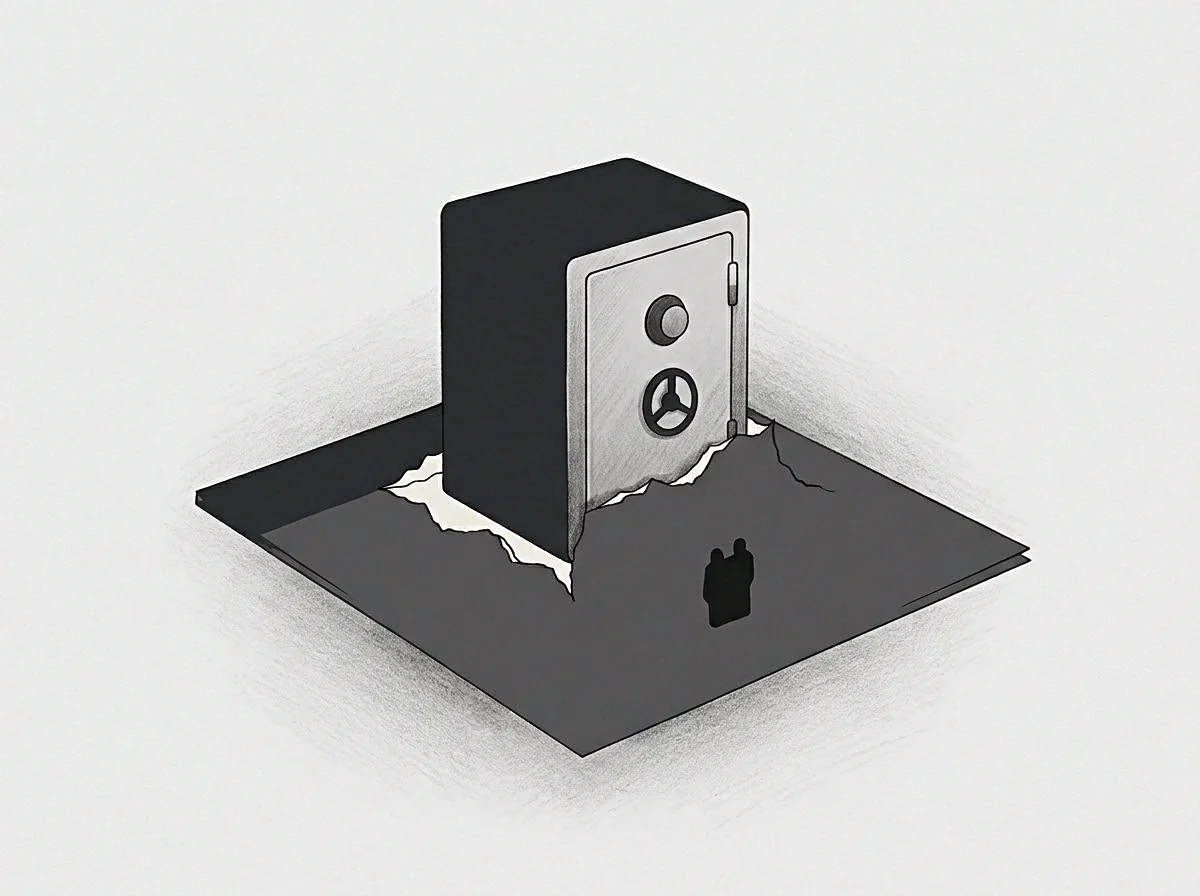
Discrepancy between promised organizational standards and the daily experience of internal agents defines this condition. A psychological breach occurs when an individual perceives that the employer failed to fulfill an unwritten promise regarding career trajectory, autonomy, or recognition. This violation shifts the agent from a collaborative state toward a defensive posture.
Operational Consequence
Diminished investment in shared targets follows this perception of unmet expectations. Founders observe a distinct reduction in discretionary effort as team members revert to the narrowest interpretation of their duties. The withdrawal happens because the perceived violation degrades the incentive to exceed baseline requirements.
Performance metrics drift downward when the agent prioritizes self-protection over the health of the collective.
Contractual Logic
Relational terms operate outside formal agreements but dictate the intensity of daily cooperation. The informal nature of these expectations creates a fragile equilibrium that rests entirely on consistent conduct by the firm. If the firm alters its treatment of the individual without clear communication, the internal record of that person changes immediately.
This adjustment acts as a recalibration of the work relationship to account for the perceived loss of institutional integrity.
Resolution Path
Correction requires a deliberate alignment of internal signals with the previously stated values of the firm. Managers must identify the specific moment of divergence to understand which aspect of the unspoken pact the agent feels was discarded. Addressing the root cause involves a transparent reconstruction of the criteria for reward and responsibility.
Restoration of the exchange mechanism relies on the ability of the firm to demonstrate consistency through repeated actions over time.