Meaning
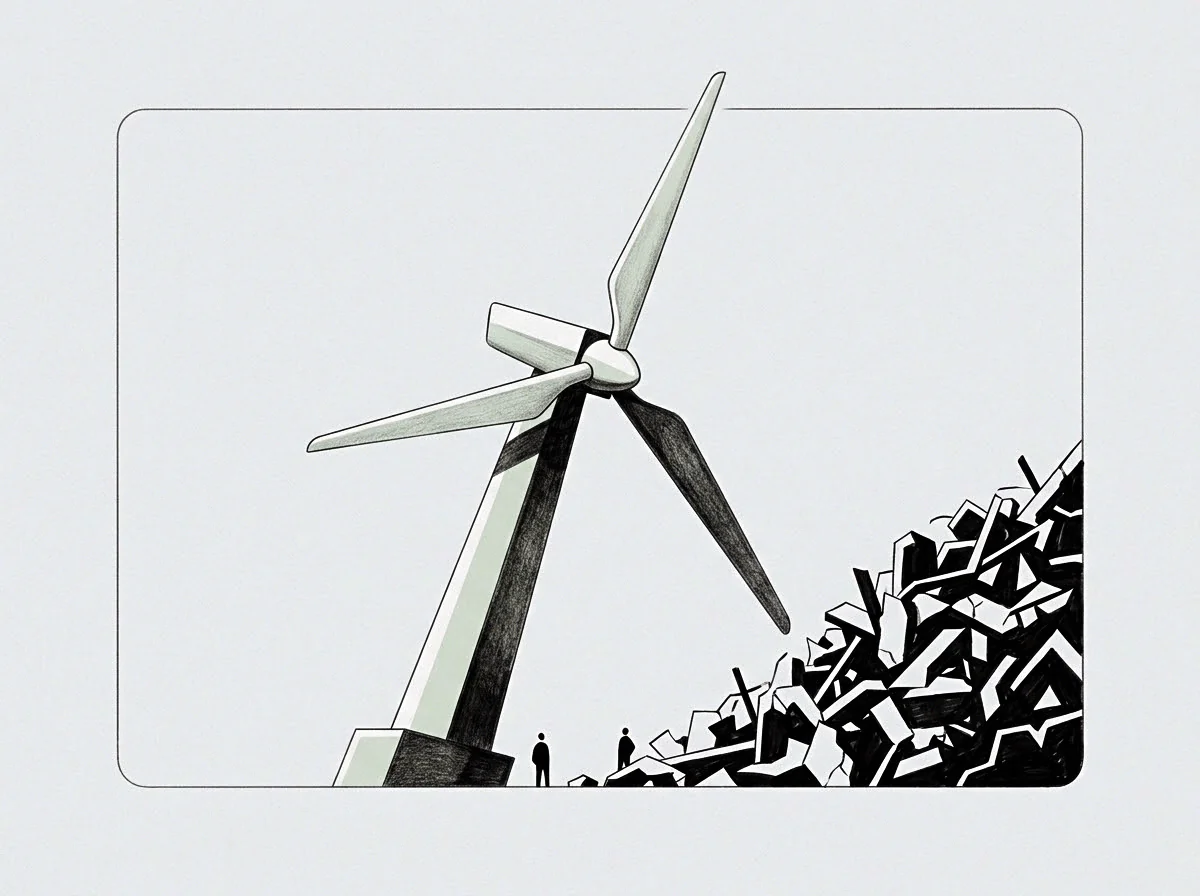
Organizational friction leads to the withdrawal of collaboration and a breakdown in communication between co-founders. Relational alienation occurs when unfulfilled expectations or equity disputes damage the working partnership, replacing informal trust with rigid transactional barriers.
Breakdown Mechanism
Developing this distance begins when one party feels the unspoken rules of reciprocity have been violated. The relational alienation between founders develops when there is a persistent gap between a member’s perceived input and their formal rewards. Instead of discussing the issue, the parties withdraw into their respective functional silos.
They stop sharing unforced feedback and begin to document all interactions. This change turns a fluid partnership into a series of transactional encounters.
Operational Isolation
Before a complete team split occurs, the organization suffers from a lack of strategic alignment. Under the pressure of relational alienation, founders make critical decisions independently without consulting their partners. This isolation creates fragmented product development, conflicting messages to employees, and inconsistent interactions with external investors.
The venture’s ability to pivot or solve complex challenges is severely compromised by this internal division.
Structural Cost
Continuous operational friction demands a massive expenditure of organizational capacity and founder energy. While the business might continue to run on paper, relational alienation forces the team to spend hours and attention managing internal politics rather than building the product. It increases the likelihood of a formal founder departure, which can trigger equity buyout disputes and disrupt the cap table.
This division of attention is the most expensive cost of a failing partnership, often leading to the ultimate failure of the enterprise despite the presence of a viable product and market demand, because the participants have exhausted their capacity to build together.