Meaning
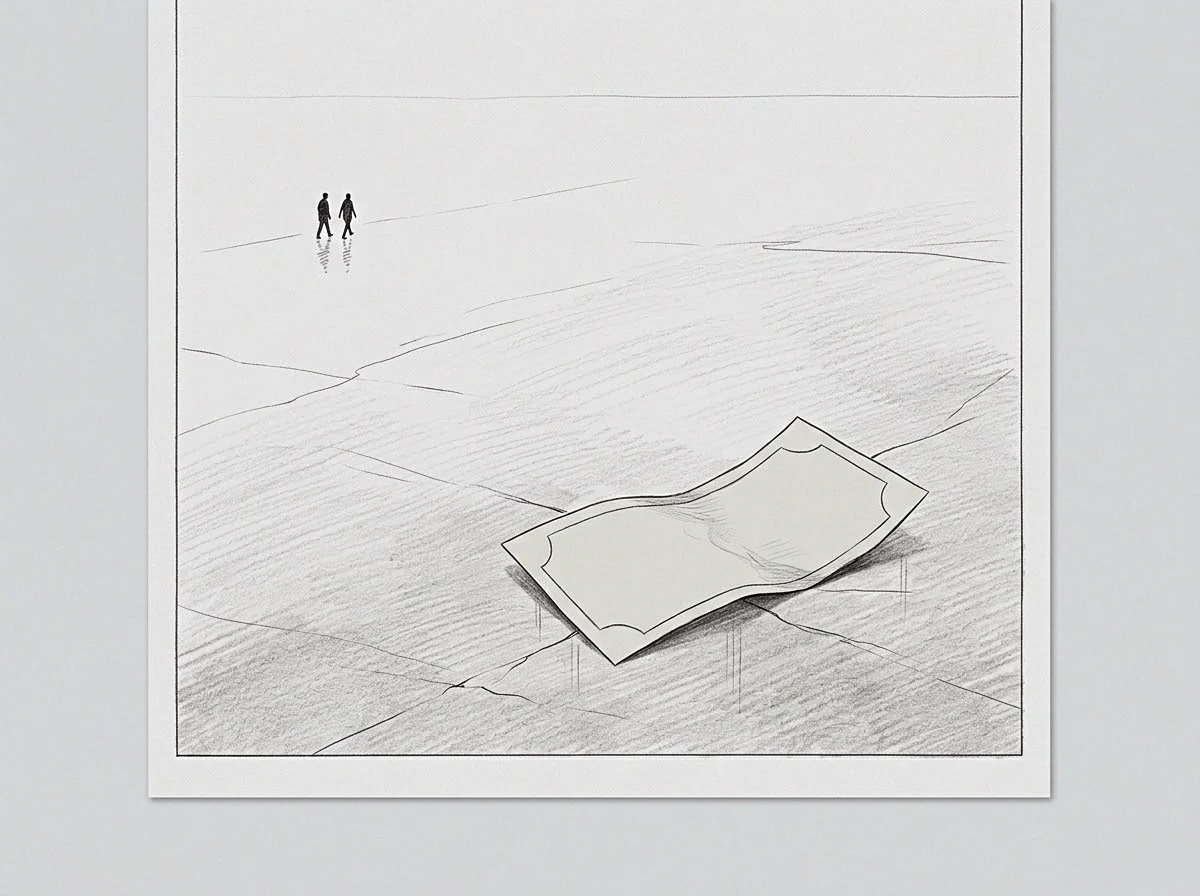
Progressive erosion of mutual alignment, psychological trust and reciprocal generosity between enterprise founders develops as interpersonal expectations remain unarticulated over prolonged periods. This relational decay tracks the deterioration of working partnerships under chronic operational pressure, shifting interpersonal interactions from collaborative accommodation to defensive transactionality. It governs founder dynamics, co-executive coordination, board cohesion and early partnership equity relationships.
The concept stops applying when estrangement stems from identifiable corporate fraud or direct breaches of contract rather than psychological and communication breakdown.
Informal Erosion
Unexpressed resentments regarding mismatched workloads or unshared sacrifices introduce friction into executive partnerships long before overt conflict appears. The relational decay begins when one founder observes an asymmetry in operational effort or financial sacrifice but chooses strategic silence to preserve corporate harmony. Withheld feedback converts minor logistical disagreements into chronic grievances that cloud daily operational handoffs.
This unvoiced tension costs the enterprise strategic agility, slowing decision velocity while increasing administrative posturing between executive offices. Mutual suspicion gradually supplants early mission alignment.
Transactional Shift
Generous mutual accommodation declines as partners begin calculating personal benefits and liabilities down to individual operational tasks. Early stages feature spontaneous, unmeasured contributions of personal time and capital, but relational decay forces both sides into strict accounting mode. Founders demand explicit credit for minor achievements, refuse unassigned responsibilities and document meetings to build self-protective records.
The energy diverted into personal political defense drains the organization of creative focus and operational momentum. When partnership communication becomes strictly transactional, common enterprise goals fracture into competing personal agendas.
Partnership Dissolution
Unresolved interpersonal estrangement eventually produces corporate paralysis, forcing external intervention through advisory boards, corporate mediators or legal counsel. Advanced relational decay renders executive meetings unproductive, deadlocking board votes and disrupting investor relations. The ultimate cost to founders includes value destruction, forced buyouts, operational departures and the loss of historical equity value.
Reversing this degradation requires rigorous personal honesty, structural role reassignment or clean executive separation. Left unaddressed, interpersonal decay routinely destroys viable corporate enterprises from within.