Meaning
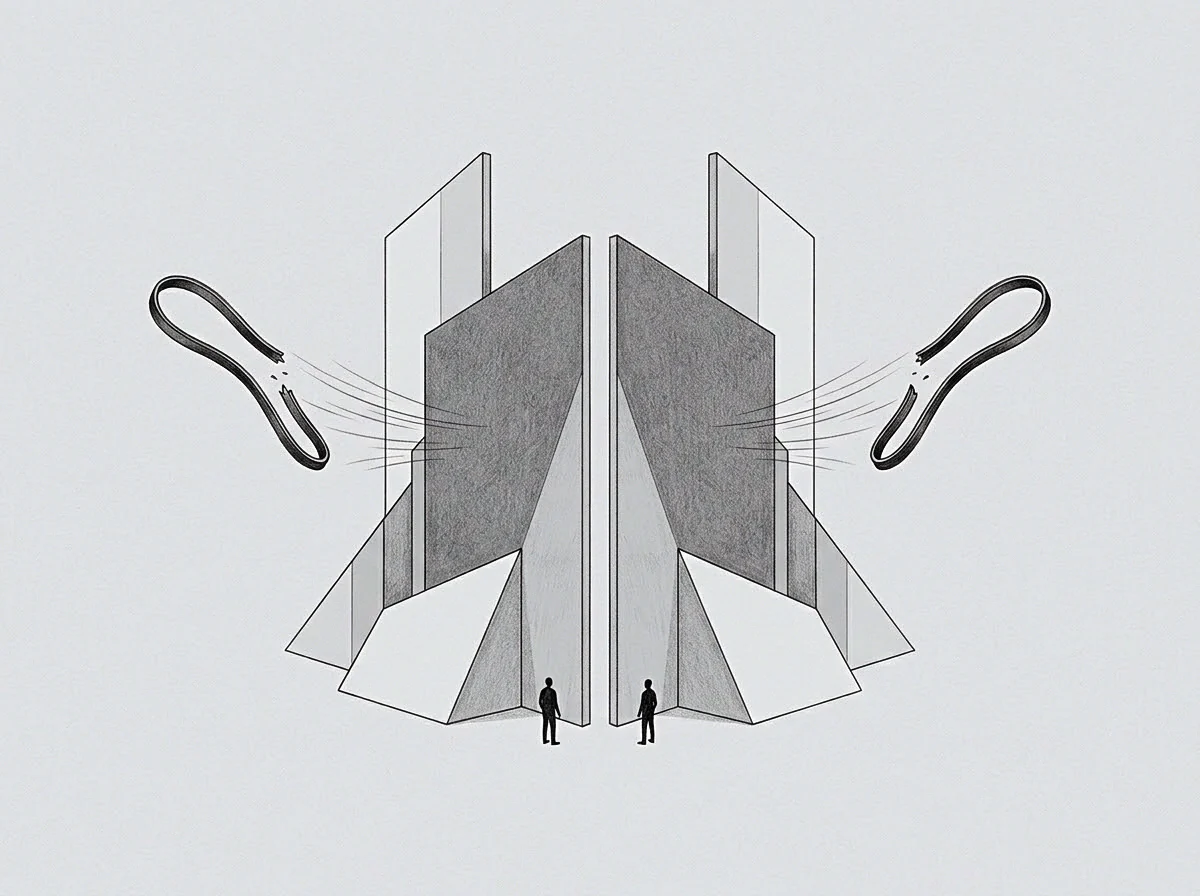
Chronic accumulated friction arising from unstated expectations about authority and contribution constitutes relational resentment between cofounders. This emotional residue develops when partners trade energy or hours without establishing explicit terms of exchange. Unspoken understandings about who carries the heaviest load replace formal agreements during the early stages of a firm.
Founders absorb asymmetric sacrifices while assuming future compensation will automatically match past input. The mechanism operates through a silent ledger kept in individual memory where every missed acknowledgment adds to a private balance. When the cumulative burden of unreciprocated effort exceeds the tolerance of the giver, cooperation deteriorates into guarded transaction.
The boundary of the condition sits where clear contractual terms replace informal understandings, ending the drift between private expectations and public reality.
Silent Debt
Unstated provisions accumulate in the background of daily operations without a mechanism for regular audit. Partners offer discretionary attention or personal capacity while banking on reciprocity that remains entirely unvoiced. The expectation is left ambiguous because naming the price feels transactional in a partnership that values perceived unity.
Each uncompensated hour of strategic firefighting adds to an invisible balance that the provider expects the other partner to settle eventually. No invoice is rendered during the weeks of heavy lifting, which prevents the receiver from knowing a debt is accruing. The provider spends mental energy tracking the asymmetry, reducing the focus available for product development or market execution.
Settlement becomes impossible when the accumulated hours are never quantified while the work is performed.
Invisible Asymmetry
Divergent interpretations of contribution distort the working relationship long before any operational failure occurs. One founder measures input by hours spent inside the office, while the other values high leverage decisions made remotely. Each partner assigns maximum worth to the specific tasks they control while discounting the unseen labour of the counterpart.
This silent divergence in valuation creates a persistent mismatch in perceived fairness. The gap grows wider as the company scales and the required specialization drives founders further apart in their daily scope. Frustration replaces curiosity when operational questions arise, because every minor disagreement is viewed through the lens of historical imbalance.
The cost to the firm appears as slowed decision making and chronic hesitation among the leadership group.
Calculated Exit
The terminal phase of this friction manifests as sudden withdrawal from collaborative problem solving. Founders stop debating strategic directions when the belief in fair future reciprocity finally collapses. Energy is redirected toward personal protection and the preservation of individual leverage over company assets.
The relationship hardens into a standoff where neither partner trusts the other to hold the line during a crisis. Separation follows when the emotional price of maintaining the partnership exceeds the perceived value of the enterprise. The entity absorbs the damage through lost momentum and fractured internal alignment long before a formal departure takes place.