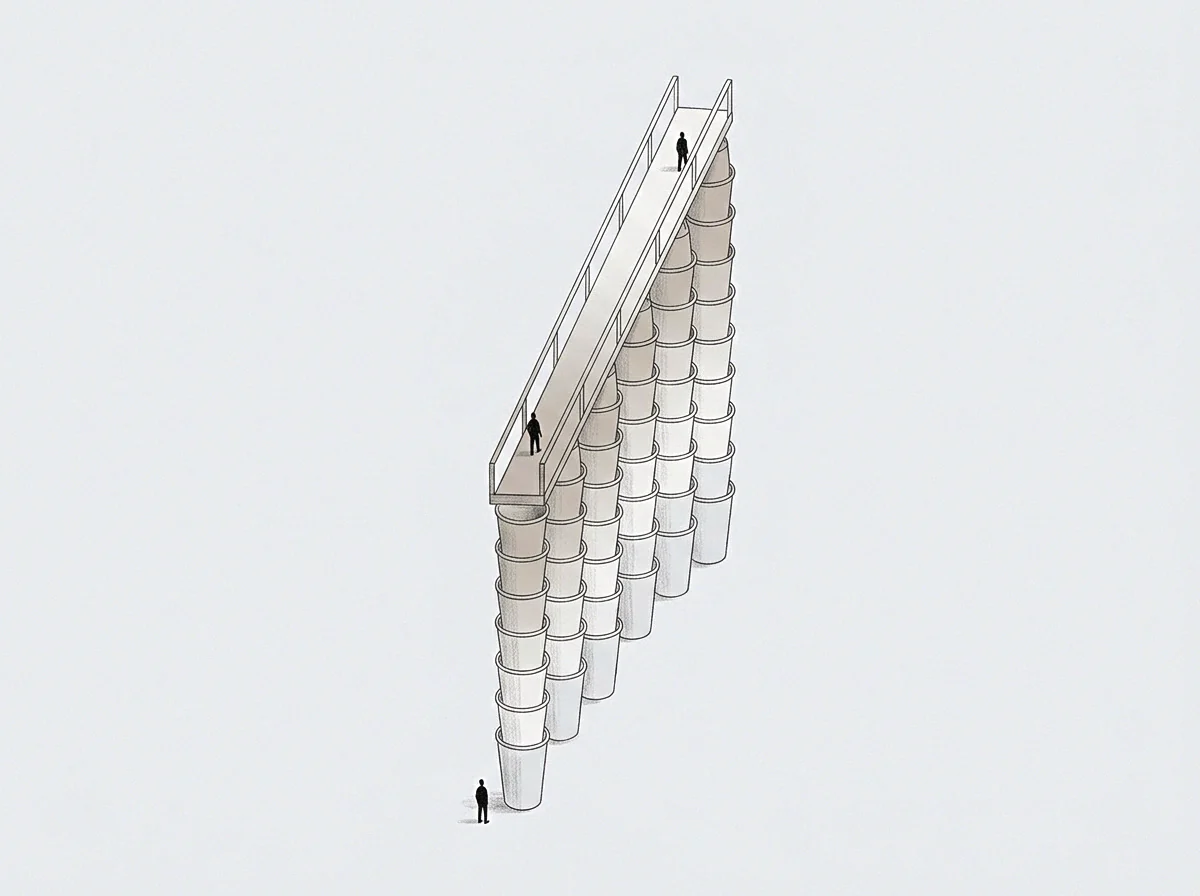
Meaning
Cost required to acquire an asset of equivalent utility and quality in the current market defines the expenditure needed to restore a position. The replacement value provides a basis for insurance coverage and damage assessments when property is lost. It measures the actual price of buying a new version of the thing today.
The term stops applying when an asset is so unique that no equivalent exists for purchase.
Asset Valuation
Determining the price of a substitute ensures that a company can continue its operations after a loss. This replacement value is often higher than the book value or the original purchase price due to inflation. It represents the provision a founder must make to maintain the capacity of the business.
Insurance Provision
Policy limits are often set against this figure to guarantee that a total loss does not end the venture. Using replacement value prevents the gap between an insurance payout and the actual cost of new equipment. The price of this coverage is a higher premium paid to the insurer.
It provides the security needed to take the risks inherent in scaling a business.
Economic Reality
Changes in technology and supply chains frequently alter the amount needed to rebuild. A periodic review of replacement value keeps the financial plan of the company aligned with the market. It prevents the shock of finding that the funds on hand are insufficient for recovery.
This measurement is a tool for long term survival in a changing environment.