Meaning
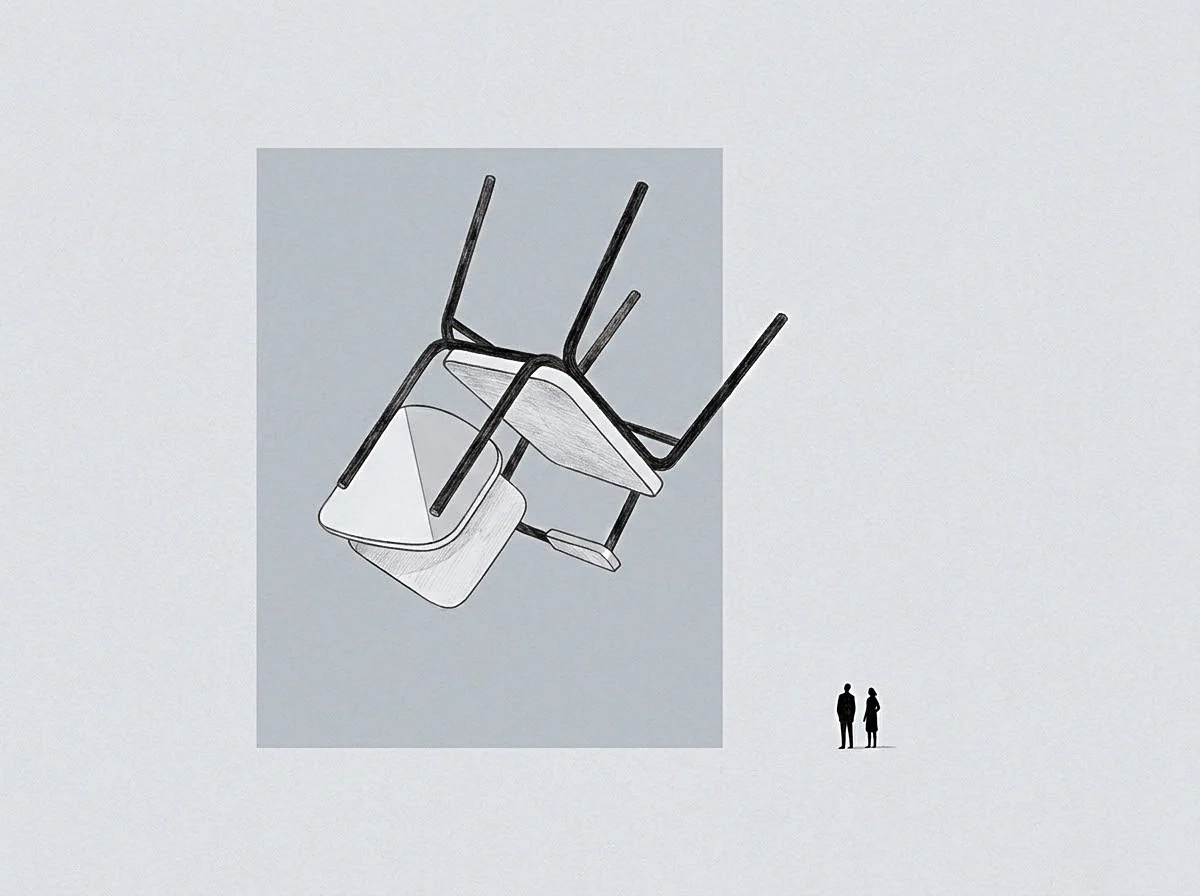
An ownership model distributes equity in fixed percentages that remain unchanged regardless of the future levels of effort or financial input provided by the recipients. Under a static share allocation, the initial agreement dictates the long-term division of capital and voting power among the founders. The boundary for this model is usually a major investment round where outside capital forces a new distribution logic.
Fixed Distribution
Simplicity is the primary benefit of dividing a company into permanent chunks at the very beginning. A static share allocation avoids the complex math and potential conflict of dynamic models that track every hour of work. This approach assumes that all founders will contribute equally over the life of the firm.
It provides a stable foundation for the early months of a startup.
Rigid Structure
Adjusting the cap table becomes difficult once the initial papers are signed. The static share allocation does not account for a founder who leaves early or a partner who stops contributing to the growth of the business. This rigidity can lead to resentment if the distribution of work becomes lopsided over time.
Future Implication
New investors may view a large block of shares held by an inactive founder as a risk. While a static share allocation provides certainty, it may require a forced recapitalization later to fix a broken cap table. The model provides total certainty at the expense of operational flexibility.