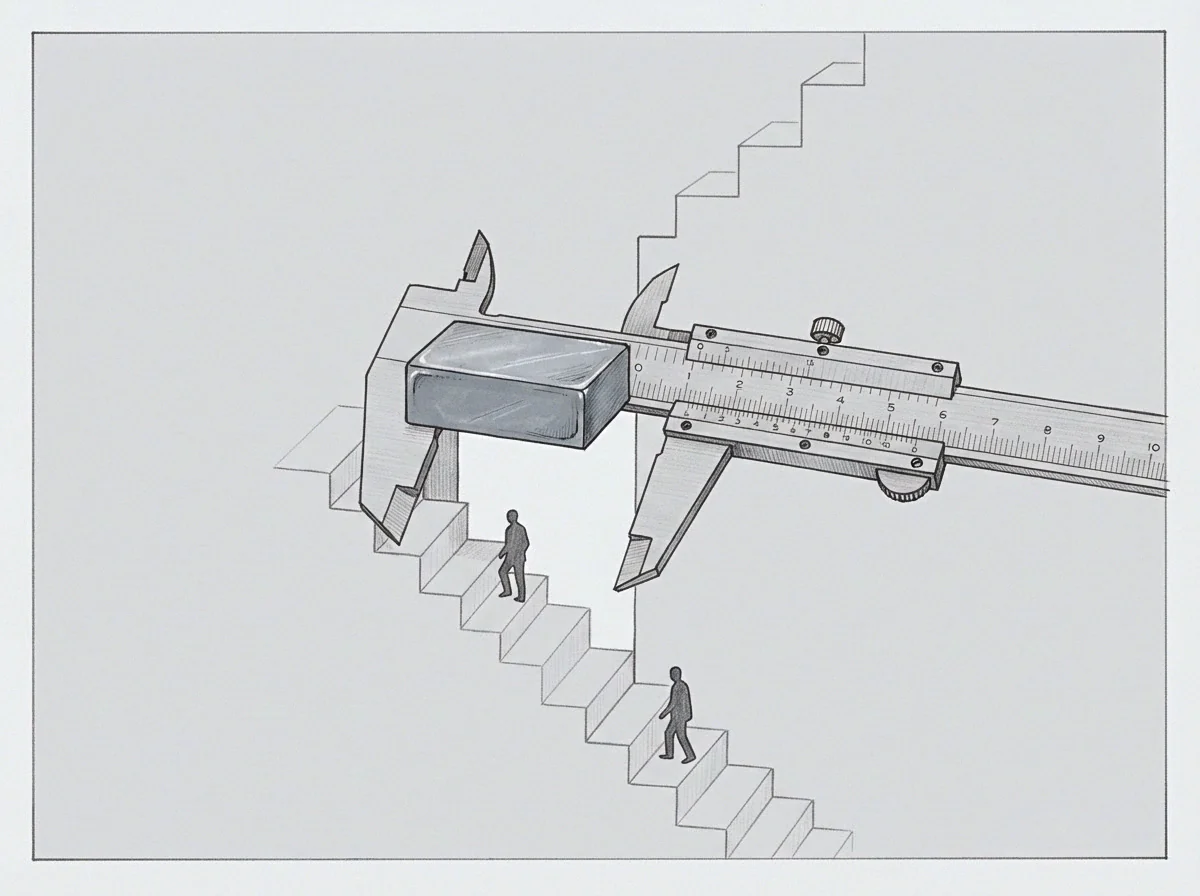
Meaning
Fixed percentage equity allocations established at company formation generate structural tension when post-founding effort levels diverge among co-founders. The emergence of static split friction occurs when equal ownership percentages fail to reflect real operational contributions over multi-year build cycles. This situation creates internal resentment and stalls major corporate decision-making.
The condition ceases once equity distributions are renegotiated or dynamic vesting frameworks are formally adopted by the board.
Contribution Asymmetry
Disparities between initial equity allocations and ongoing workload become evident as the company scales past initial milestones. When one founder carries full-time operational responsibilities while another reduces hours, static split friction undermines team cohesion. The organization suffers from demotivation and governance impasses during critical operational decisions.
Equity Deadlock
Equal voting power tied to fixed ownership structures can paralyze board actions when co-founders disagree on strategic direction. Investors hesitate to commit capital to ventures burdened by inactive equity holders retaining large ownership blocks. Unresolved equity disputes often force costly legal restructurings or operational shutdowns.
Recalibration Protocol
Restructuring share equity through performance-based vesting amendments or voluntary equity returns resolves ownership deadlocks. Boards introduce performance milestones to align share distribution with future value creation. Clear contractual provisions prevent static equity structures from threatening enterprise survival.