Meaning
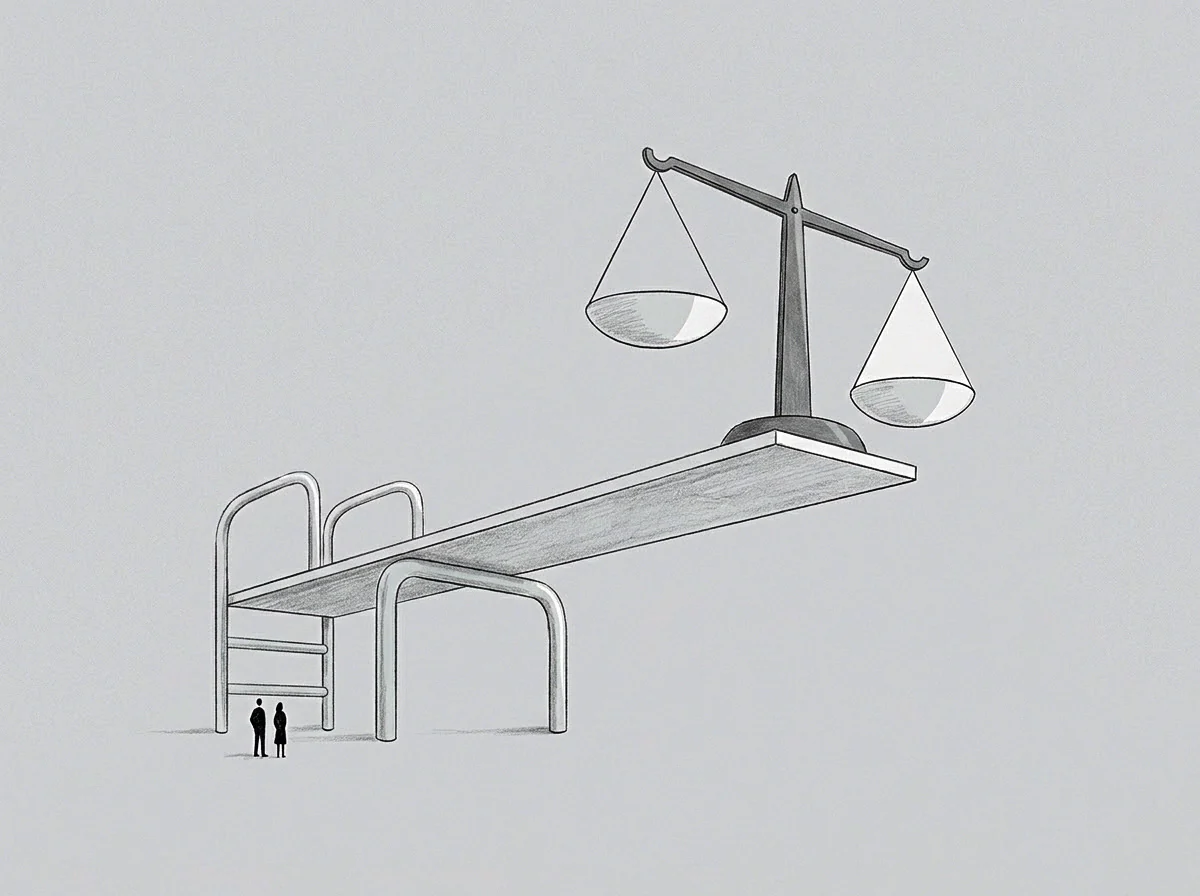
Organisational rigidities define the maximum capacity for operational change within a firm before the internal architecture requires a complete overhaul. Structural limits function as boundaries that dictate the speed and scale at which a growing venture can add new functions or personnel without degrading existing output quality. These constraints often emerge from the initial distribution of authority and the rigid pathways established for information flow.
Fixed reporting lines prevent the lateral communication necessary for rapid adaptation when market demands shift. A company reaches these thresholds whenever the cost of coordinating a new project exceeds the revenue potential of the work itself.
Governance Friction
Authority concentration dictates how often a leadership team must approve minor decisions to maintain consistency. Hierarchical layering increases the delay between information receipt and actionable response. Decisions suffer from a loss of detail as they move through multiple ranks of oversight.
Every added level of management consumes additional capacity and introduces a new point of failure in the execution sequence.
Resource Allocation
Capital distribution follows existing budget silos rather than fluid priority shifts when flexibility vanishes. Managers often protect departmental resources even when other parts of the business face higher urgency for those same assets. This defensive stance preserves internal status at the price of reduced responsiveness to external conditions.
Overworked departments eventually reach a plateau where extra hours yield diminishing results for the total enterprise.
Scalability Impact
Expansion efforts break down when the underlying systems cannot process the increased volume of transactions. Technical infrastructure frequently requires complete replacement once the original design assumptions regarding concurrency or data volume no longer align with daily realities. Bottlenecks at this stage indicate that the current setup reached its physical capacity for expansion.
Long-term performance depends on the ability to abandon outdated structures before the cost of operation exceeds the value of the output produced.