Meaning
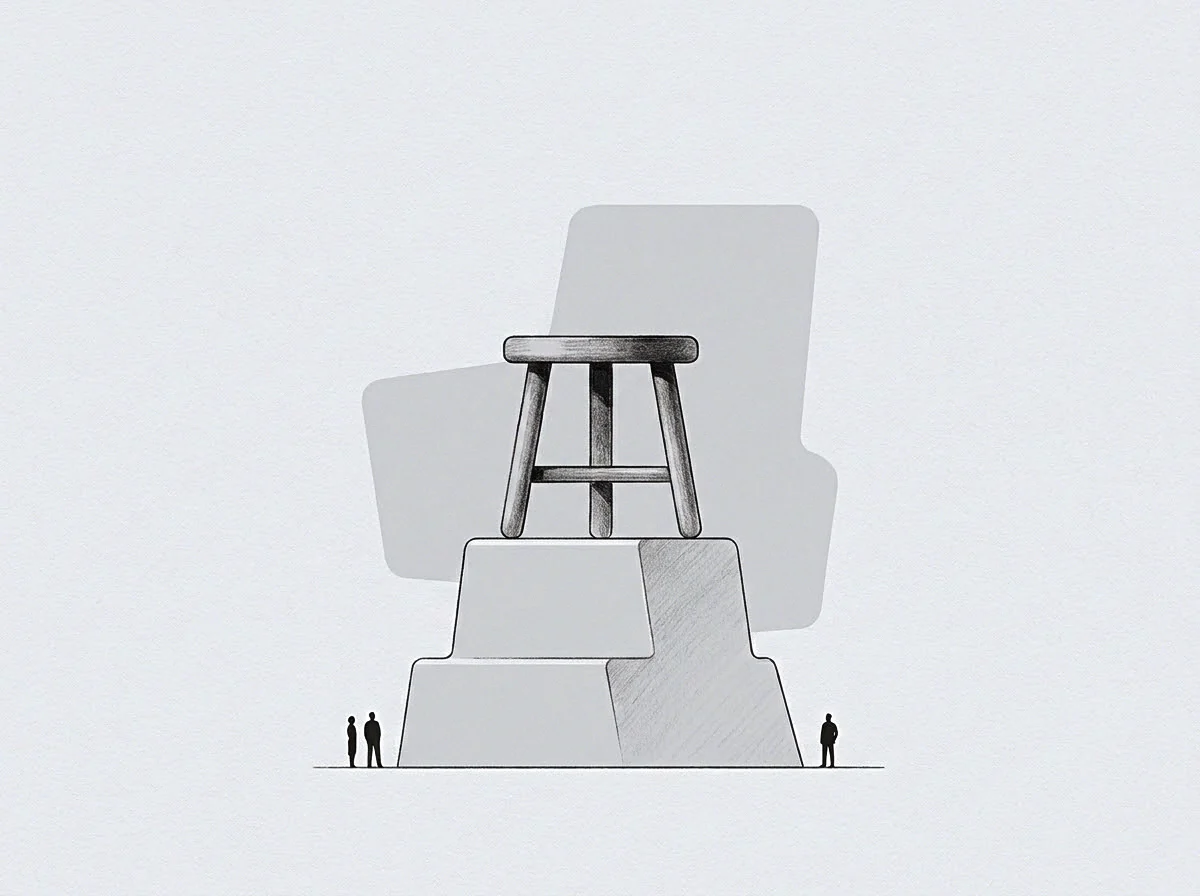
Financial arrangement where debt or equity holders in a parent company have claims secondary to those of creditors at the subsidiary level creates a layered risk profile. This structural subordination arises because the assets and cash flows are owned by the operating unit, not the holding company. It identifies the legal distance between an investor and the actual source of value.
The boundary of this condition is the legal ring-fencing of the subsidiary assets.
Legal Hierarchy
Creditors at the operating level have a direct claim on the equipment, inventory, intellectual property and receivables. When structural subordination exists, the parent company only gets what is left after those direct claims are satisfied. This means a founder holding equity at the top is several steps removed from the cash.
Recovery Risk
Investors face higher risk because they are last in line during a bankruptcy of the operating unit. Even if the subsidiary has plenty of assets, the structural subordination means those assets are gone before they reach the parent level. This reduces the value of the parent company shares.
Holding Structure
Designing a firm with multiple layers of companies is a common way to manage risk and debt. It is a tool for financial engineering in complex organizations.