Meaning
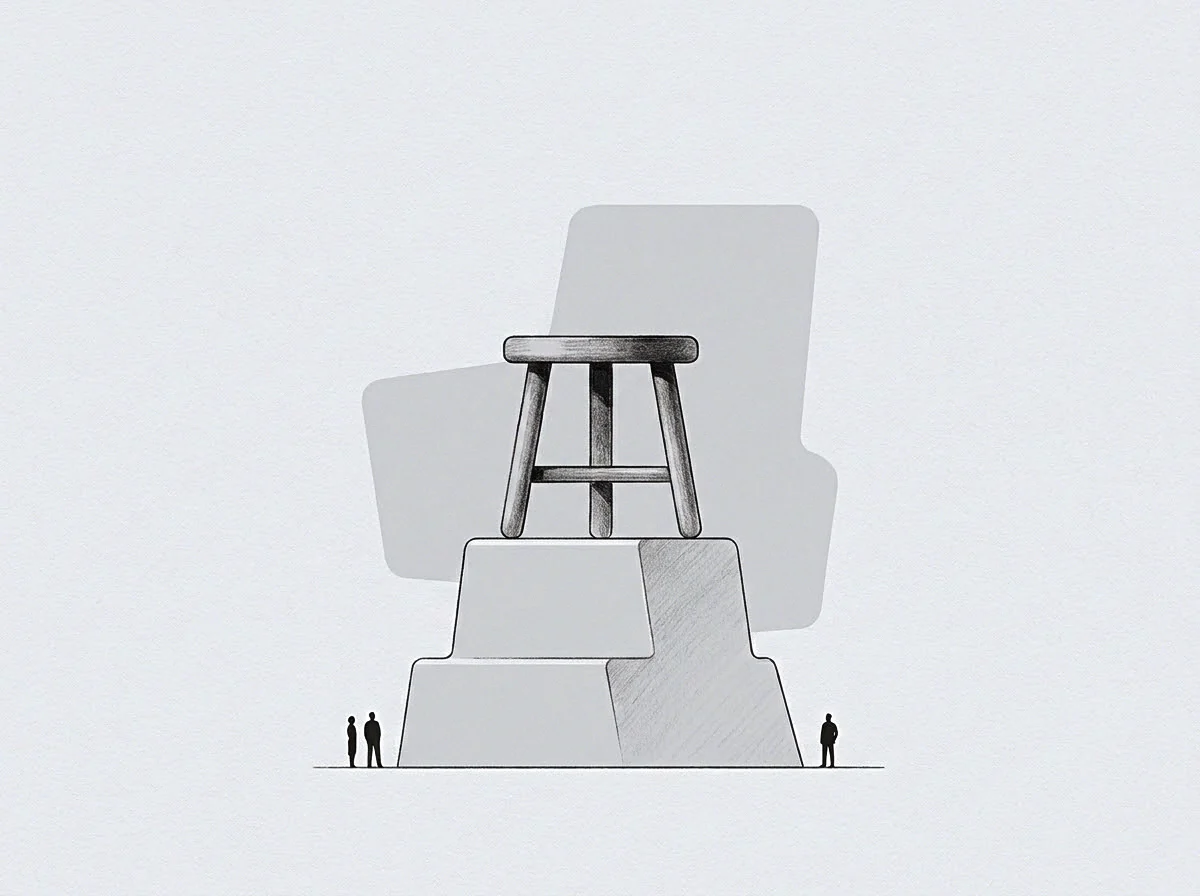
Legal hierarchy organizes the priority of claims against corporate assets in the event of insolvency or liquidation. This subordination places one debt claim behind another in the legal order of repayment. Junior creditors agree that senior lenders will be fully satisfied before the junior group receives any money.
It is a standard feature of complex financing where multiple levels of risk exist.
Payment Order
Cash flow is directed to the highest ranking obligations first. During a period of financial distress, subordination prevents the junior lenders from taking funds needed to pay the primary bank loans. This structure provides security to the lead investors and allows the company to borrow more money at different rates.
Lender Risk
Junior creditors accept a higher chance of loss because they sit lower in the repayment line. To compensate for this subordination, these lenders usually demand higher interest rates or other financial incentives. They are the first to lose their investment if the total value of the company assets falls below the total debt.
This ranking is essential for maintaining the credit rating of the senior debt instruments.
Interest Premium
The cost of borrowing increases as the level of security for the lender decreases. A subordination agreement makes the junior debt more expensive for the company to maintain. This price difference reflects the market’s assessment of the probability that the junior debt will never be repaid.