Meaning
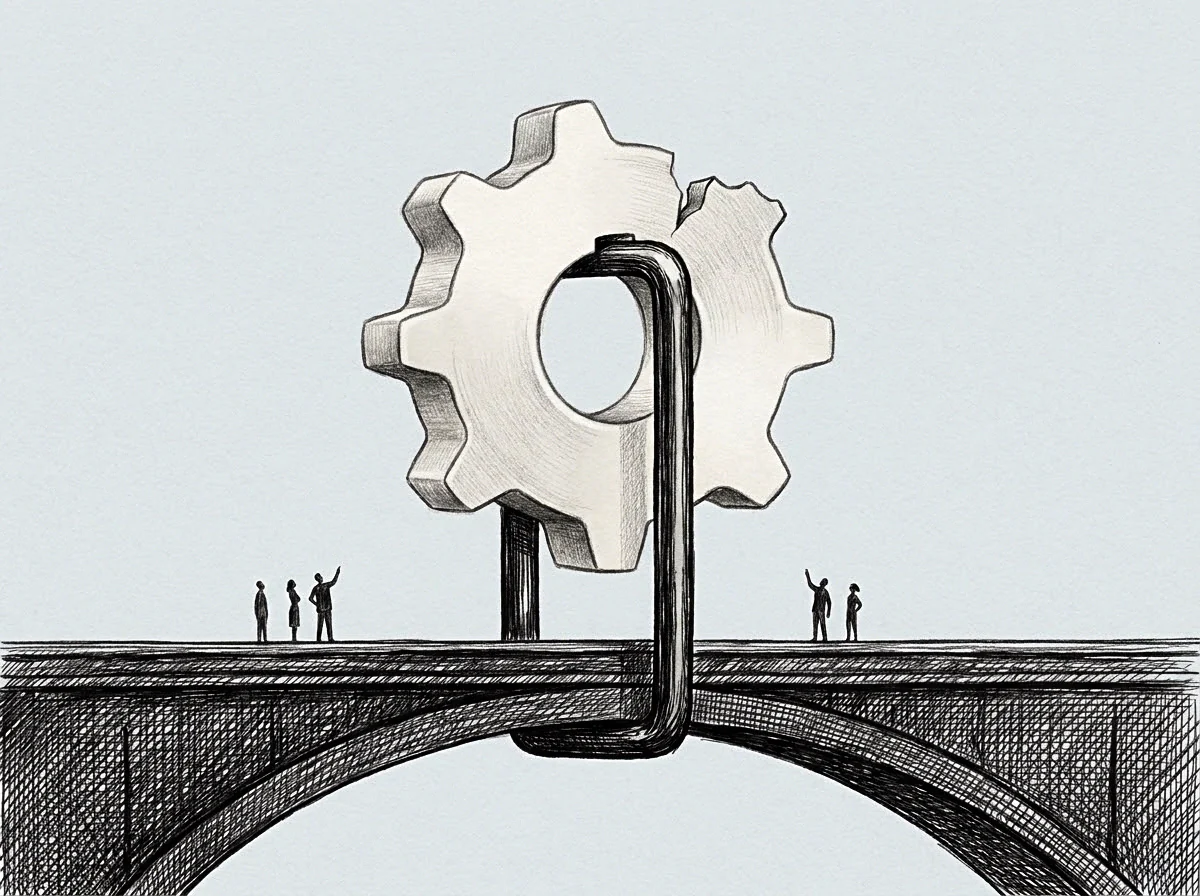
Alternative technical architecture designed to replicate operational output enables functional replacement of proprietary components without infringing original intellectual property. Developing a substitute function allows engineering teams to replace encumbered code or licensed modules while maintaining system interoperability. This engineering method eliminates reliance on disputed modules or third-party patents by re-implementing core logic independently.
Technology companies build these alternatives to resolve legal exposure during copyright or patent litigation.
Technical Design
Software engineers write fresh source code using clean-room protocols where developers have no access to the original protected work. Creating a substitute function requires strict separation between specifications documentation teams and implementation programming teams. This structural isolation ensures that final code bases contain zero copied lines or direct architectural derivations.
Independent design verification confirms that new modules perform required operations using novel internal logic.
Non-Infringement Standard
Legal defense against copyright claims relies on proving independent creation through clear documentation logs. A verified substitute function demonstrates that operational capabilities derive from original engineering rather than misappropriated trade secrets. Re-implementing disputed features insulates product offerings from preliminary injunctions or impoundment orders.
Deployment Effort
Replacing core system modules requires substantial engineering hours and quality assurance testing. Implementing a substitute function eliminates third-party licensing dependencies.