Meaning
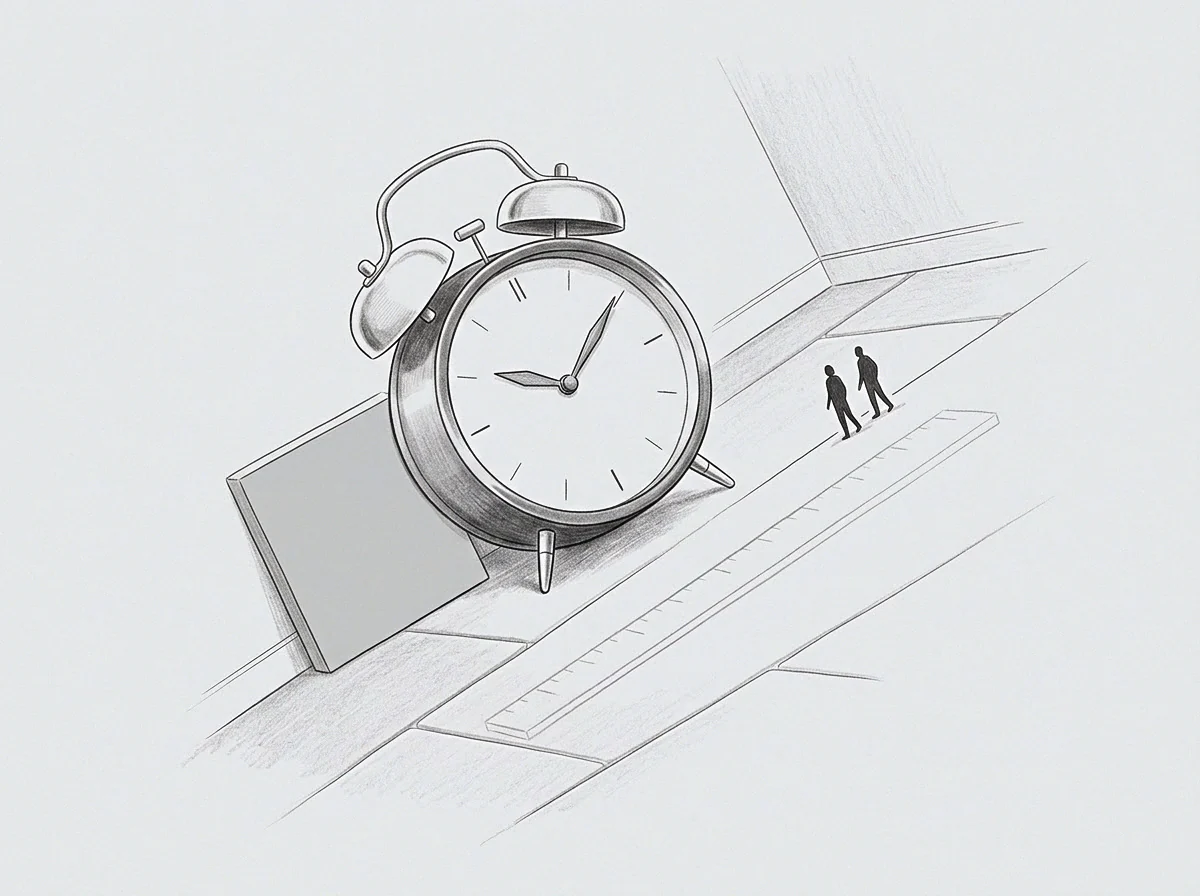
Systematic efforts to fix or replace suboptimal software architecture and code improve the long-term stability of a digital product. After a period of rapid growth, technical debt remediation becomes necessary to address the shortcuts taken to meet early deadlines. It involves rewriting fragile components to make them more scalable and easier to maintain.
Infrastructure Correction
Replacing temporary fixes with permanent solutions prevents the system from collapsing under high load. During technical debt remediation, the focus shifts from adding features to strengthening the core foundation. This work often goes unseen by the user but is necessary for the platform.
Code Refactoring
Cleaning up the logic within a program makes it easier for new developers to understand and modify the work. A founder who stays to lead technical debt remediation ensures that their original vision is not lost in a sea of patches. It is a labor-intensive process that requires a deep understanding of the entire stack.
System Stabilization
Reducing the frequency of bugs and outages is the primary goal of this investment. When technical debt remediation is successful, the engineering team can once again focus on innovation rather than fire-fighting. It turns a liability into a reliable asset for future growth.
The process also includes the removal of dead code and the consolidation of redundant data structures. This cleaning up of the internal logic ensures that the software can handle higher traffic volumes without requiring hardware upgrades.