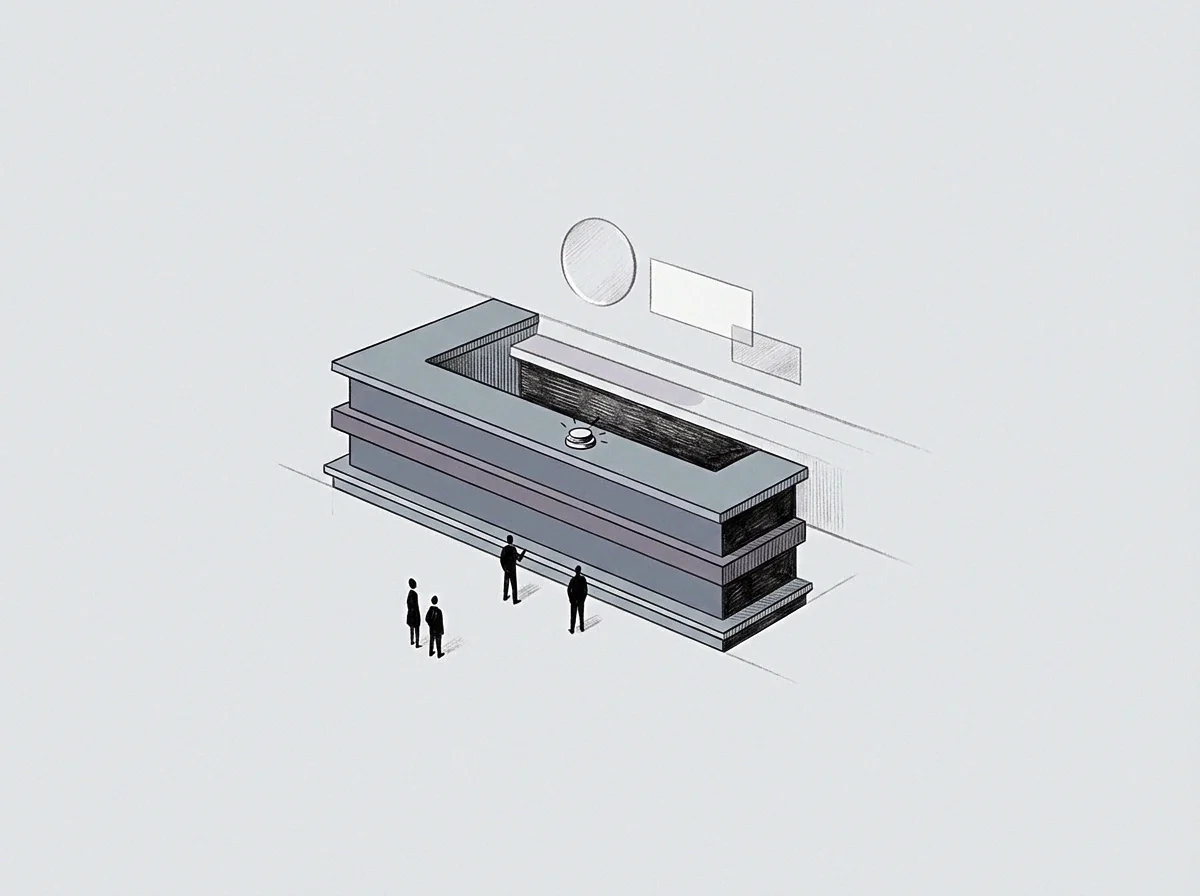
Meaning
Official declarations that lack enforcement mechanisms function as records of intent rather than rules. An unreinforced baseline statement exists as a record of intent that the organization has no way to verify or uphold. It exists as a formal document that does not influence the actual behavior of the people it is meant to govern.
Symbolic Gesture
Words without actions often lead to a loss of credibility for the leadership. Because the unreinforced baseline statement carries no consequences for non-compliance, it is quickly ignored by the workforce. The team learns that the official rules are secondary to the informal culture that actually drives daily decisions.
Capacity Waste
Writing and distributing rules that will not be followed is a drain on the founder’s time. The unreinforced baseline statement creates a false sense of order while the actual operation remains chaotic. This mismatch between the word and the deed is a high cost for a growing organization that needs clear direction.
Leaders who issue these statements without follow-up often find that their future instructions are treated with the same lack of urgency.
Operational Risk
Reliance on a rule that no one follows creates a liability. An unreinforced baseline statement may satisfy a legal requirement on paper but leaves the company exposed during a real crisis. Real standards require a feedback loop that ties the word to the work.